 Midmo Lights
Premium Solar Sensor Light Catalog - High-Demand Selections
Engineered to meet international quality standards with advanced PIR and Microwave motion detection mechanisms.
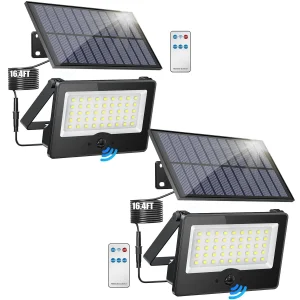
Topaz Solar Floodlight Radiant for Resort Pools
Inquire Specification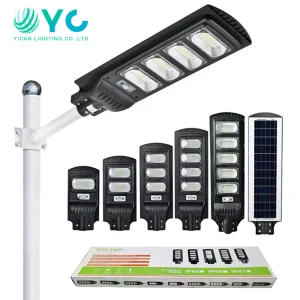
Wholesale Price Best 100W 150W 200W Outdoor Lawn ABS Bulb Power Flood Motion Sensor Road Products Garden Wall All in One Integrated LED Solar Street Light
Inquire Specification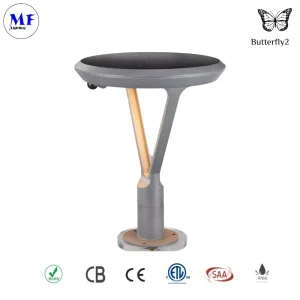
Factory Price IP66 Waterproof Outdoor LED Garden Light for Courtyard Villa Sidewalk Park with Solar Panel Motion PIR Sensor
Inquire Specification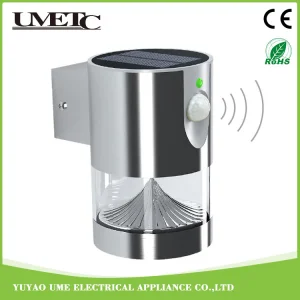
Stainless Steel Sensor LED Night Wall Mounted Garden Solar Light
Inquire Specification
Car Decorative Lights Solar Shark Fin Antenna Roof Tail Modification Lights Anti-Tailgating LED Flash 8 Lights
Inquire Specification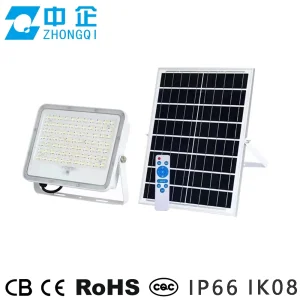
Solar Street Light IP66 150lm/W 3000K Ik10 Zhaga High Lumen Anti-Glare Quality Waterproof Dali Dimmable Sensor Customized OEM ODM 3W 5W Flood Light
Inquire Specification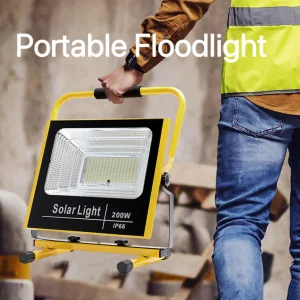
New 100W Rechargeable Solar Flood Light Outdoor Portable LED Emergency Rechargeable Floodlight Construction Solar Lamp
Inquire Specification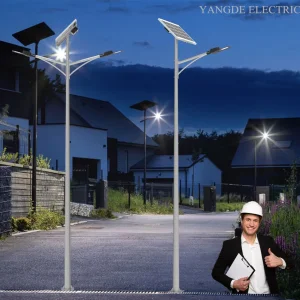
CE/ISO All-in-One Solar LED Garden/Street Lamp/Lighting/Light with Factory-Price
Inquire SpecificationPioneering Solar Technology Since 2006
We began our dedicated research and development of solar lighting technologies in 2006. Our mission has always been clear: to discover new technical frontiers and combine them with highly robust, functional designs.
Over nearly two decades of consistent development, market promotion, and customer feedback cycles, our engineered solar lighting fixtures have successfully replaced thousands of highly inefficient, carbon-intensive electrical grids and gas-powered wall lights globally. By providing zero-grid, self-sustaining lighting models, we empower municipal partners, commercial developers, and industrial distributors to reduce installation overhead and eliminate recurring energy utility expenses.
Our capabilities as a prominent China Solar Lights Manufacturer, Supplier, and Factory focus heavily on system integration: ensuring that solar panels, smart PIR/microwave movement sensors, high-capacity Lithium batteries (LiFePO4), and high-efficiency LED arrays work in perfect synergy to offer continuous illumination, even under complex environmental conditions.
Optoelectronic Architecture: Conversion Chemistry Explained
How our solar generators convert photon energy efficiently, even during low-solar radiation periods.
At their core, solar sensor flood lights are high-performance electric lights that utilize high-efficiency PV panels to convert solar energy directly into chemical energy stored in batteries. During the day—even on dense, cloudy, or overcast days—our state-of-the-art monocrystalline and polycrystalline silicon solar panels capture diffuse light wavelengths. By optimizing the bandgap alignment in our PV cells, the solar generator (solar panel) continues to collect and store solar energy by utilizing low-light charging algorithms built directly into our controller circuits.
This capability ensures that the system remains highly dependable. In cold, overcast climates or periods of high seasonal precipitation, traditional solar models frequently suffer from deep battery discharge failures. By contrast, our systems deploy modern Maximum Power Point Tracking (MPPT) logic alongside smart Passive Infrared (PIR) and Microwave radar sensors. The integration of these features allows the system to remain in a highly efficient standby mode, active at low-lumen output until motion triggers a full illumination command. As a safe, emission-free, and environmentally friendly new light, solar lights have received increasing attention from global municipalities and commercial entities seeking to satisfy demanding ESG (Environmental, Social, and Governance) requirements.
Global Industry Trends Shaping the Future of Solar Security Lighting
An analytical look into market dynamics, regulatory changes, and engineering breakthroughs.
IoT Integration & Smart Diagnostics
Solar flood lights are no longer isolated fixtures. The inclusion of DALI, Zhaga interfaces, and IoT-enabled CCTV camera monitoring allows operators to remotely manage light performance, trace battery depletion anomalies, and fine-tune sensory trigger protocols via remote control cloud interfaces.
Transition to Lithium Iron Phosphate (LiFePO4)
Commercial lighting installations demand longevity. The transition from Lead-Acid or Ni-MH batteries to LiFePO4 chemistry has dramatically increased battery life-cycles from 500 up to 3,000+ deep-charge cycles, maintaining operations under extreme temperatures from -20°C to 65°C.
Dynamic Adaptive Brightness & Dimming
Rather than standard constant-on architectures, modern installations utilize motion-sensor-driven dimming curves. Units operate at low-power ambient lighting levels, shifting instantly to 100% capacity when motion is detected, conserving power for extended runtime during winters.
China Factory 4.0: Unmatched Supply Chain Resilience
Choosing a reliable China wholesale supplier is about purchasing with supply chain confidence. Our manufacturing ecosystem integrates all phases of solar flood light production under a unified quality assurance regime. From the precise cutting of raw silicon ingots, to advanced automated Surface Mount Technology (SMT) for the LED chips, up to the high-pressure structural die-casting of aluminum housings.
This degree of vertical integration allows our manufacturing facilities to mitigate raw material price fluctuations, guarantee consistent structural tolerancing, and deliver highly customizable OEM/ODM services. By utilizing automated optical assembly systems, we maintain precise controls over luminous output consistency while accelerating production turnarounds for high-volume B2B contract orders. Through rigorous quality gates including simulated monsoon testing, extreme-temperature cycling chambers, and structural vibration testing, we assure global distributors that our products are engineered to survive the most challenging outdoor environments.
Immediate localization of raw materials, ensuring stable output pricing and fast component replenishment.
Adherence to ISO9001 protocols, matching strict CE, RoHS, IP66, and IK10 impact requirements for heavy-duty installations.
Adaptive engineering to modify housing designs, adjust optical beam distributions, and reconfigure battery performance parameters.
Commercial Application Profiles & Procurement Standards
Engineered to deliver high lumen output and security across diverse international application environments.
Resorts & High-Humidity Pool Zones
Coastal and resort environments subject lighting hardware to intense humidity and airborne salinity. Specifying models like our Topaz Solar Floodlight, which features anti-corrosive treatments and marine-grade sealing, prevents early degradation of electronics, ensuring long-term aesthetic and functional reliability.
Municipal Roads & Public Footpaths
For municipal pedestrian walkways, constant high illumination is rarely required but security is paramount. Deploying integrated solar streetlights with smart PIR motion sensors saves stored battery capacity, shifting to full power only when pedestrians approach, ensuring reliable performance throughout the night.
Off-Grid Industrial Yards & Construction Zones
Heavy machinery and active construction zones require adaptable, robust illumination without hard-wired utility connections. High-output, portable floodlights with integrated solar panels provide immediate structural illumination that can be easily relocated as project boundaries evolve.
Complete Commercial Solar Solution Catalog
Discover specialized products designed for gardens, secure commercial perimeters, and smart city infrastructure.
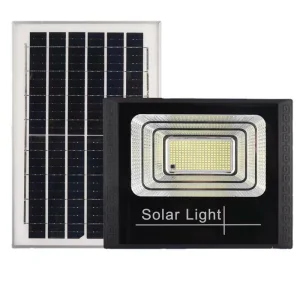
Environmental Protection High Efficiency 40W/60W/100W/200W Portable Solar Flood Light for Outdoor Lighthing
Inquire Specification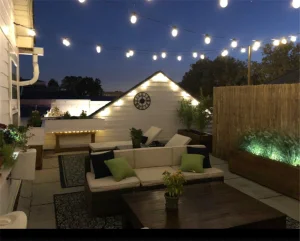
Waterproof Solar LED Outdoor String Lights 1W Retro Edison Globe Bulbs Soft White 48 FT Create Cafe Ambience in Your Yard, Pergola
Inquire Specification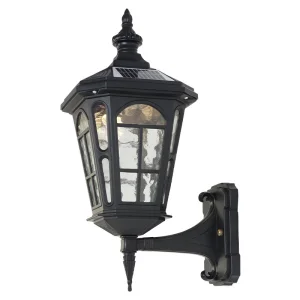
Energy-Saving Solar Wall Light for Garden Paths with 800mAh Battery
Inquire Specification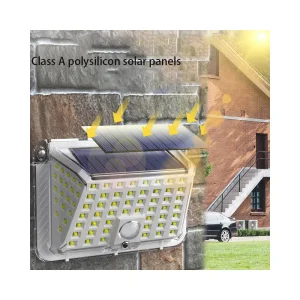
Lights LED Power Pool Wall Rechargeable Sensor Garden Outdoor Street Small for Black Christmas Mosquito Wash Solar Street Light
Inquire Specification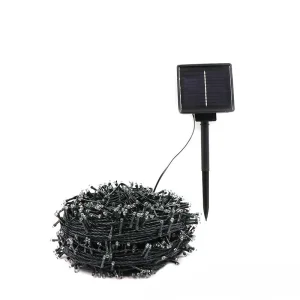
Christmas Tree Light String LED Solar Aura Light String Outdoor Party Light
Inquire Specification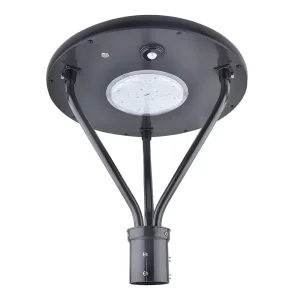
50W IP65 Fence for Walking Paths Solar Post Top Area Lights
Inquire Specification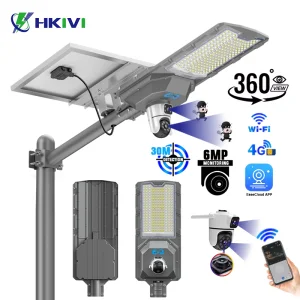
Dual Lenses 900W Solar Street Lamp with CCTV 6 Million Pixels Solar LED Street Light with Camera Eseecloud
Inquire Specification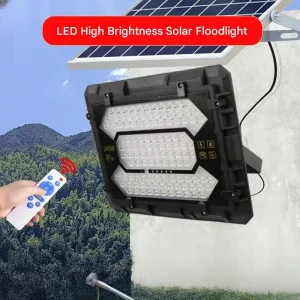
Solar Panel Solar Garden Lights for Roof Balconies Smart Light Sensing Remote Control Adjustment
Inquire SpecificationExpert Engineering FAQ: Technical Answers for B2B Importers
Addressing crucial design and application questions to streamline your sourcing decisions.