 Midmo Lights
⚡ Featured Kazakhstan Project Lighting
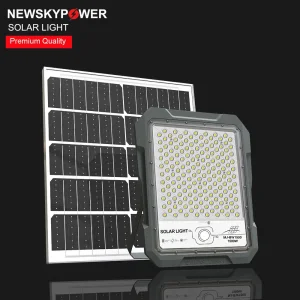
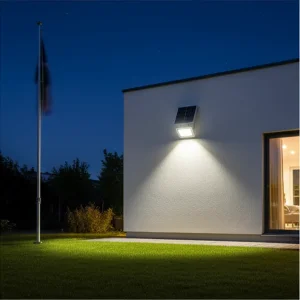
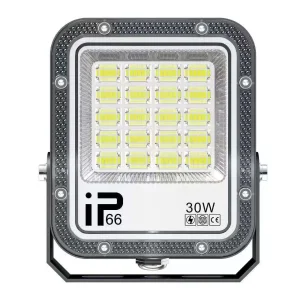
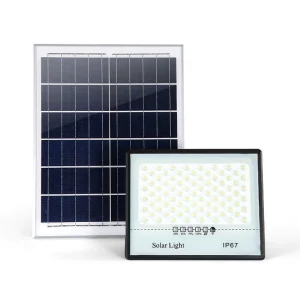
🌍 The Energy Revolution in Kazakhstan
Kazakhstan, the heart of Central Asia, is undergoing a profound transformation in its energy landscape. As the nation pursues the "Kazakhstan 2050 Strategy", the shift from traditional fossil fuels toward renewable energy has become a top priority. Solar flood lights represent a critical component of this transition, particularly for remote industrial sites, vast agricultural lands, and expanding urban centers like Astana and Almaty.
The geographic reality of Kazakhstan—vast distances and isolated infrastructure—makes traditional grid-tied lighting prohibitively expensive to install and maintain. Our high-performance solar flood lights offer an autonomous, cost-effective solution that harnesses Kazakhstan's significant solar potential, especially in the southern regions where sunshine is abundant throughout the year.
Arctic-Grade Durability
Engineered to withstand temperatures as low as -40°C in Northern Kazakhstan.
LiFePO4 Technology
Utilizing high-density lithium batteries for 10+ years of service life.
Smart Connectivity
Remote monitoring and AI-driven dimming for maximum energy efficiency.
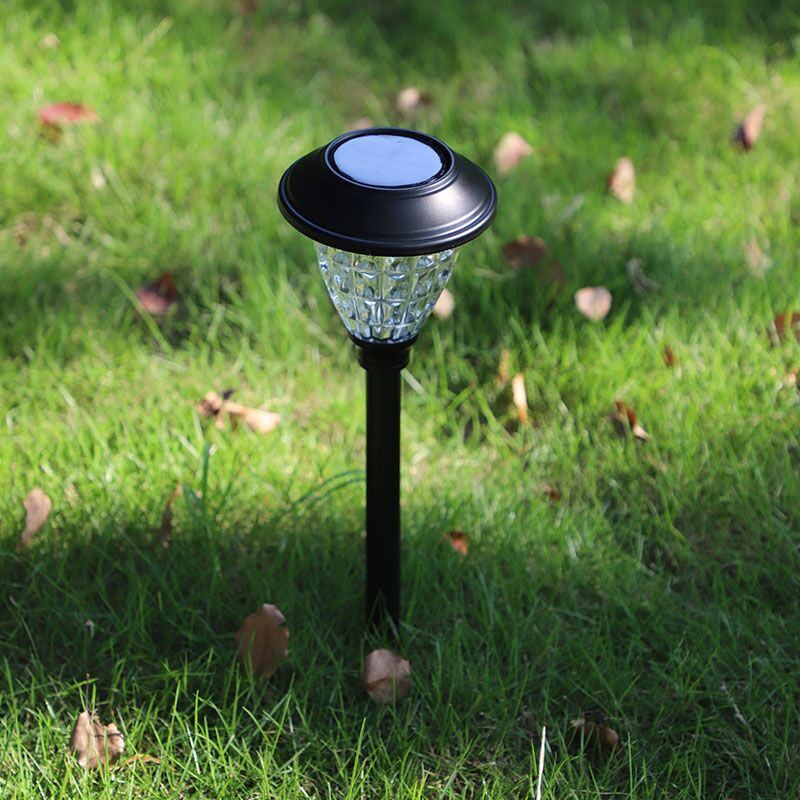
2500+
Sunny Hours/Year
-40°C
Tested Resilience
💡 Key Trends in the Kazakhstan Solar Market
The demand for Solar Flood Lights in Kazakhstan is no longer limited to small residential gardens. Today, the trend is moving toward high-wattage, industrial-grade applications. Manufacturers are focusing on "All-in-One" and "All-in-Two" systems that simplify installation in the rugged terrains of the Karaganda mining districts or the Mangystau oil fields.
One major trend is the integration of Bifacial Solar Panels. These panels capture sunlight from both sides, which is particularly effective in snowy regions like Akmola, where light reflects off the ground. This "Albedo Effect" can increase energy harvest by up to 25%, ensuring the flood lights remain operational even during the short winter days.
Furthermore, the Smart City Initiative in Kazakhstan is driving the adoption of motion-sensor technology. By using microwave sensors rather than standard PIR, our solar lights can detect movement through dust and light snow, common in the Kazakh Steppe, ensuring safety and security for logistics hubs and highway rest areas.
Economic factors are also a driver. With the rising cost of electricity and the government's push for "Green Economy" subsidies, businesses in Shymkent and Taraz are finding that solar flood lights offer a Return on Investment (ROI) in less than 24 months, considering the zero-electricity bills and minimal maintenance costs.
🏢 About Our Engineering Excellence
We began to develop solar lights in 2006, and never stop our step to find new tech and fashionable design of it. Due to our lasting developing and marketing promotion, solar lights have successfully replace thousands of inefficient electrical and gas powered post or wall lights.
As leading China Solar Lights Manufacturers, Suppliers, and Factory, we understand that Kazakhstan requires more than just standard products. Solar lights are electric lights that are converted into solar energy by solar panels. During the day, even on a cloudy day, this solar generator (solar panel) can also collect and store solar energy. As a safe and environmentally friendly new light, solar lights have received increasing attention globally, especially in emerging markets like Central Asia.
Contact Our Engineering Team🏗️ Localized Application Scenarios
Mining & Extraction
Providing 24/7 security lighting for remote mining sites in Karaganda without the need for trenching or cabling.
Agricultural Steppes
Illuminating large-scale livestock farms and grain storage facilities in the Northern provinces.
Logistics & Infrastructure
High-lumen flood lighting for truck stops and warehouse perimeters along the "New Silk Road" transit routes.
Urban Development
Architectural and garden lighting for the modern residential complexes of Astana and Almaty.
Sports Facilities
Solar-powered stadium lights for local community football pitches and tennis courts in regional towns.
Border Security
Reliable, autonomous flood lighting for perimeter security and remote observation posts.
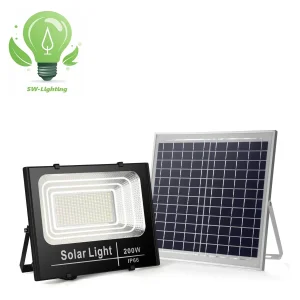
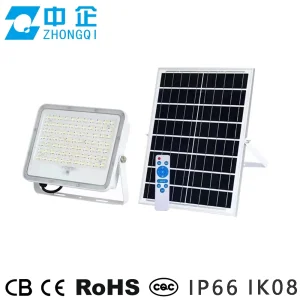
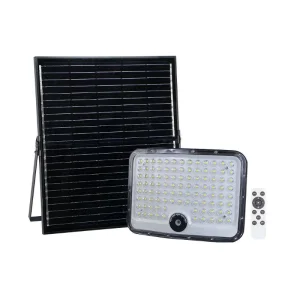
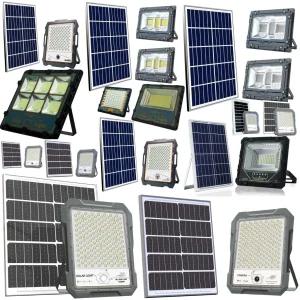
📦 Wholesale Catalog for Kazakhstan Suppliers
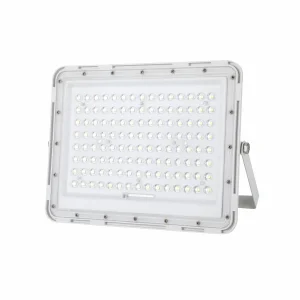
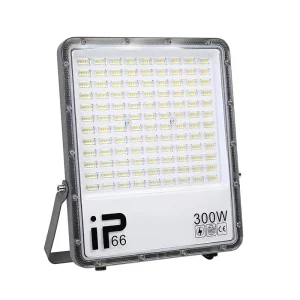
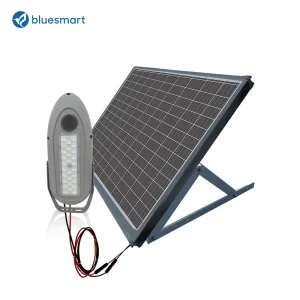
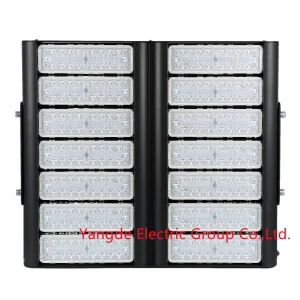
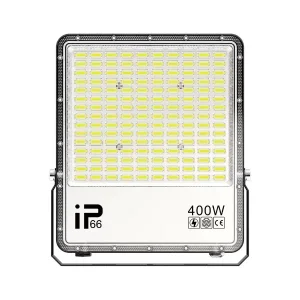
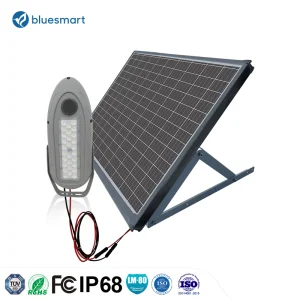
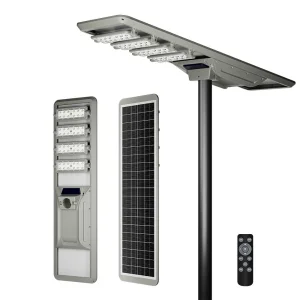

🔍 Professional Guide: Sourcing Solar Lights in Kazakhstan
Why Professional Manufacturers Matter for the Central Asian Market
When selecting a Solar Flood Lights manufacturer for Kazakhstan, the stakes are higher than in most regions. The extreme temperature fluctuations—from +40°C in the summer to -40°C in the winter—demand components that are thermally stable. Cheap, consumer-grade solar lights often fail within their first winter due to battery contraction or plastic housing cracking. Our factory uses Die-Cast Aluminum housings with UV-stabilized coatings to prevent degradation in the intense Kazakh sun and biting frost.
Customization (OEM/ODM) for Local Requirements
We provide extensive customization for our Kazakh partners. Whether you need specific lumen outputs for a highway project near Taldykorgan or specialized mounting brackets for the windy plains of the Caspian depression, our engineering team can adapt our 200W, 300W, and 600W models to suit. We offer both Monocrystalline and Polycrystalline panels, with a preference for high-efficiency Monocrystalline cells for the shorter daylight hours in the Northern regions.
Sustainability and Economic Impact
By switching to solar, Kazakhstan's commercial sector can reduce its carbon footprint significantly. Every 400W solar flood light installed saves approximately 150kg of CO2 emissions per year. For a large logistics hub in the Almaty region using 100 lights, this equates to 15 tons of CO2 reduction annually. This aligns perfectly with the national goal of increasing the share of renewable energy in total electricity generation to 50% by 2050.
Future Outlook: AI and IoT Integration
The future of lighting in Kazakhstan is "Smart." We are currently developing and supplying flood lights with integrated LoRaWAN and Zigbee protocols. This allows municipal authorities in cities like Astana to control entire grids of solar flood lights from a central dashboard, adjusting brightness based on weather forecasts or traffic patterns, further extending battery life and reducing light pollution.