 Midmo Lights
Premium Solar Solutions for Japan Infrastructure
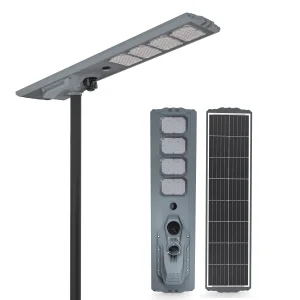
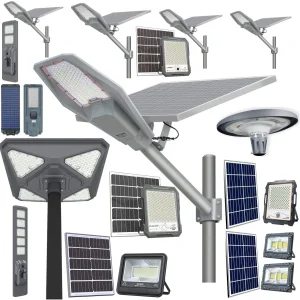
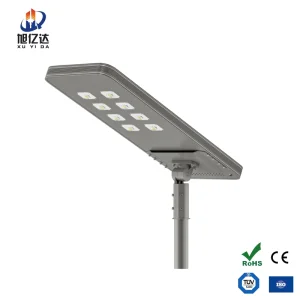
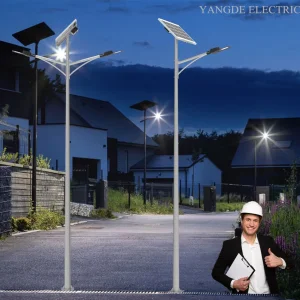
The Solar Revolution in Japan: Industrial & Commercial Landscape
Japan is currently undergoing a massive energy transition, aiming for carbon neutrality by 2050. As a nation with limited land space but advanced technological prowess, solar street lighting has become a cornerstone of both urban and rural redevelopment projects. In cities like Tokyo, Yokohama, and Osaka, the demand for solar street lights is driven by the "Society 5.0" initiative, which seeks to integrate IoT and AI into everyday infrastructure.
Post-Disaster Resilience (Bosai)
In Japan, solar street lights are not just "green energy" choices; they are vital safety features. Given Japan's history of seismic activity and typhoons, self-sustaining lighting systems that do not rely on the electrical grid are essential. Local municipalities are increasingly installing off-grid solar LED systems in evacuation zones, parks, and coastal roads to ensure visibility during power outages caused by natural disasters.
Net Zero Target Year
LED Conversion Rate
Smart City Projects
Compliant Standards
Why Choose Our AI-Integrated Solar Systems?
Adaptive AI Dimming
Our sensors analyze traffic and pedestrian flow in real-time to adjust brightness, extending battery life by 40% in Japan's winter months.
High Snow Resistance
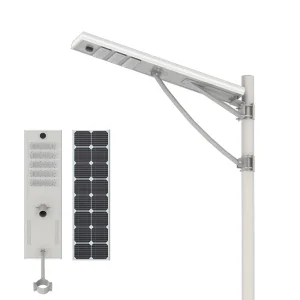
Designed with tilted solar panel mounts specifically for Hokkaido and Northern Japan to prevent snow accumulation and ensure 365-day operation.
Anti-Corrosion Tech
Equipped with specialized coatings to withstand salt-spray in coastal Japanese industrial zones, ensuring 25+ years of durability.
Emerging Trends in Japan's Solar Lighting Market
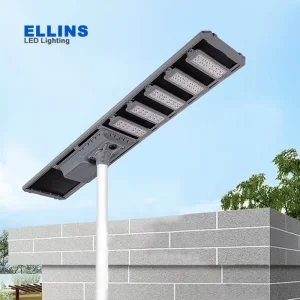
The Japanese market is shifting from traditional separate-type solar lights to All-in-One (Integrated) and All-in-Two systems. This shift is primarily due to the high cost of labor in Japan; integrated systems allow for "plug-and-play" installation, significantly reducing construction time and costs.
Integration of 5G and CCTV
Solar street lights in Japan are evolving into "Smart Poles." By integrating 5G micro-base stations and 4G AI CCTV cameras, these lights serve as the nervous system for smart cities. They provide security, environmental monitoring (CO2 levels, temperature), and even public Wi-Fi access in tourist areas like Kyoto and Nara.
Next-Gen Battery Technology
While traditional lead-acid batteries are obsolete, the Japanese market is now demanding high-performance LiFePO4 (Lithium Iron Phosphate) batteries. These offer deeper discharge cycles and higher safety ratings, which are critical for meeting Japan's strict METI (Ministry of Economy, Trade and Industry) regulations.
About Us
We began to develop solar lights in 2006, and never stop our step to find new tech and fashionable design of it. Due to our lasting developing and marketing promotion, solar lights have successfully replace thousands of inefficient electrical and gas powered post or wall lights.
China Solar Lights Manufacturers, Suppliers, Factory: Solar lights are electric lights that are converted into solar energy by solar panels. During the day, even on a cloudy day, this solar generator (solar panel) can also collect and store solar energy. As a safe and environmentally friendly new light, solar lights have received increasing attention.
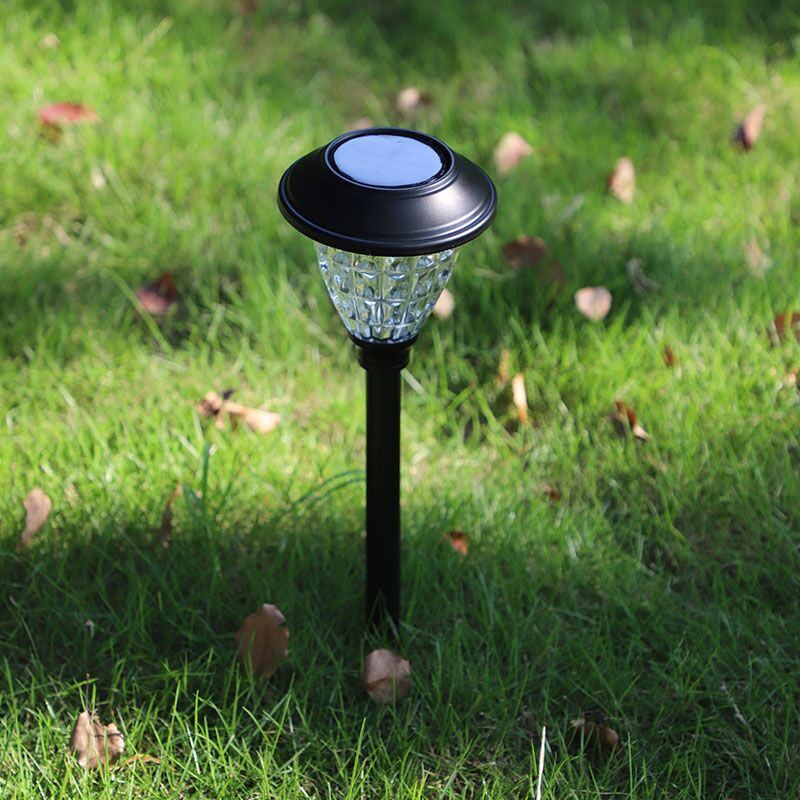
Advanced Production Line for Solar Street Light Systems
Localized Application Scenarios in Japan
Public Parks & Shrines
Replacing high-maintenance grid lighting in historical areas to preserve aesthetic value without trenching.
Industrial Harbors
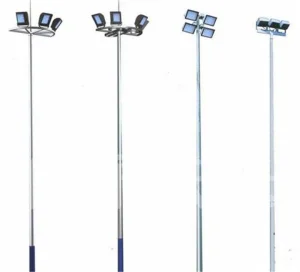
High-mast solar lighting for logistics hubs in Nagoya and Kobe ports, providing IP66/IP67 waterproof reliability.
Rural Farm Roads
Solar lighting for agricultural pathways in Kyushu, enhancing safety for night-shift farming activities.
Highway Rest Areas
Providing sustainable illumination for "Michi-no-Eki" (Roadside Stations) across the Japanese highway network.
Explore Our Full Range of Solar Lighting Products
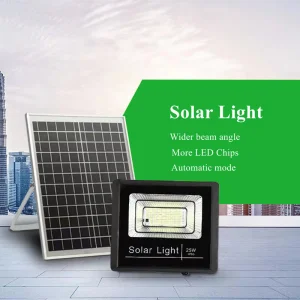
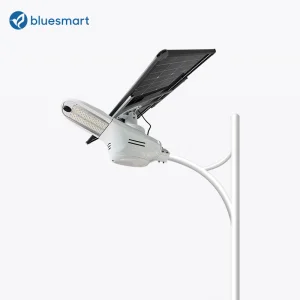

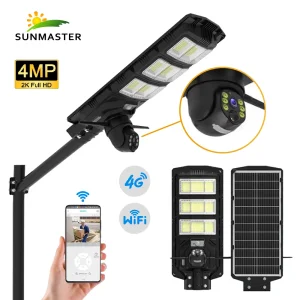
Technical Guide: Choosing Solar Street Lights for Japan
When selecting a manufacturer or supplier in Japan, technical compliance is paramount. Our products are engineered to meet the following specific requirements of the Japanese market:
- Luminaire Efficacy: High-efficiency LEDs providing >170lm/W to maximize the limited solar radiation in some prefectures.
- Wind Load Resistance: Structural designs tested for typhoon winds (up to 60m/s), crucial for regions like Okinawa and Shikoku.
- JIS Standards: All electronic components follow the Japanese Industrial Standards to ensure long-term stability and insurance compliance for government tenders.
- Battery Longevity: Use of grade-A LiFePO4 cells with smart BMS (Battery Management Systems) that can operate in temperatures ranging from -20°C (Hokkaido) to +40°C (Okinawa).
As a leading partner for Solar Street Lights Manufacturers & Suppliers in Japan, we provide comprehensive technical support, from DIALux lighting simulations to customized mounting hardware. Whether you are a local distributor in Nagoya or a construction firm in Sapporo, our solar solutions offer the perfect blend of innovation and reliability.
Additional High-Performance Models:
- Highly Cost Effective Super Bright All-in-One Integrated Solar Street Light
- High Quality Outdoor 250W LED Street Light with Solar Panel for Garden
- New Product Toolless Rainproof LED All-in-One Solar Street Light for Roads
- Lecuso New Outdoor Waterproof 30W-150W Integrated All in One Solar LED Street Light