 Midmo Lights
Premium Solar Landscape Lighting Systems for Lesotho Projects
High-performance municipal, commercial, and industrial landscape systems designed to withstand Lesotho's high altitudes and extreme weather fluctuations.
Lesotho's Commercial, Industrial & Municipal Energy Context
Lesotho—known as the "Kingdom in the Sky" due to its high elevation—faces distinct geographical and logistical realities. With elevations starting at 1,400 meters and rising to over 3,400 meters above sea level, the country exhibits extreme climate conditions, characterized by intense solar ultraviolet radiation during summer and sub-zero winter temperatures. Consequently, municipal grid reliability remains localized, leaving extensive regions off-grid, particularly in key eco-tourism, mining, and high-altitude development zones.
For international contractors, mining corporations in the Maloti Mountains, and real estate developers in Maseru, commercial landscape lighting cannot rely on erratic grid connections or standard consumer-grade outdoor solar products. Structural reliability, extreme temperature battery preservation, high wind load capacities, and local compliance standards represent critical components of industrial procurement. Deploying specialized solar landscape illumination systems guarantees zero energy operational expenditure and enhances safety along commercial access corridors, national reserves, and mining perimeters.
Trends & Evolutionary Shifts in Southern Africa Lighting
How technological advances are reshaping procurement across the SADC region, emphasizing microgrid intelligence and localized resilience.
Mitigating SADC Grid Instability
Increasing energy supply shortages across South Africa (Eskom grid anomalies) directly affect Lesotho's power imports. Local developers are prioritizing decentralization. Independent off-grid landscape and perimeter lighting networks guarantee continuous operation during structural load shedding without relying on diesel-powered backups.
LiFePO4 and Thermal Engineering
Standard lead-acid and basic ternary lithium chemistries suffer premature degradation in the cold winters of Lesotho (such as in Mokhotlong). The industry standard has shifted toward LiFePO4 batteries managed by advanced BMS (Battery Management Systems) equipped with smart pre-heating elements to ensure charge capability down to -20°C.
Smart IoT Integration
Modern commercial project specifications demand smart integration. By leveraging LoRaWAN or Zigbee mesh networks, municipalities and private operators in Lesotho can dynamically adjust illumination schedules, dim during low-footfall intervals, monitor charge degradation, and receive real-time failure alerts from a centralized control room.
2006
Year Established
180+
Lumen/Watt Efficiency
IP67/IK10
Ingress & Impact Rating
50,000+
Units Deployed Internationally
High-Altitude Engineering: Design Tailored for Lesotho
Why standard solar lights fail in mountain environments and how our specialized B2B configurations deliver long-term reliability.
The Physics of High-Altitude Solar Exposure
The solar irradiance profile of Lesotho is exceptionally high, averaging between 5.5 to 6.5 kWh/m²/day. While this benefits photovoltaic generation, the associated high UV index accelerates the degradation of low-grade polymer coatings and plastics. Our solar landscape lights feature marine-grade structural anodized aluminum (AL6063-T5) combined with UV-stabilized polycarbonate or tempered glass optical lenses, ensuring no yellowing or structural brittleness over a 15-year lifecycle.
Furthermore, air density at high elevations is lower, reducing natural convective cooling. Our thermal dissipation sinks are designed using CFD (Computational Fluid Dynamics) modeling to ensure LED junctions operate well below 65°C, preventing rapid color shift and maintaining a high color rendering index (CRI > 70/80) even during prolonged peak operations.
Wind and Hail Mechanical Resilience
Heavy storm systems and high wind speeds across the mountain passes require robust structural calculations. All our outdoor poles and integrated brackets are certified to withstand sustained wind speeds of up to 130 km/h. Optical surfaces are engineered with IK08 to IK10 impact resistance ratings, providing protection against seasonal hail and debris impact.
Advanced MPPT Controller & Energy Management
To maximize efficiency in variable highland weather conditions, our systems employ Maximum Power Point Tracking (MPPT) technology, yielding a conversion efficiency of 99% compared to typical PWM controllers. This ensures systems continue to charge efficiently under heavy overcast sky conditions during the rainy summer months.
| Engineering Parameter | Standard Solar Lights | Our High-Altitude Custom Grade |
|---|---|---|
| Operating Temperature | -5°C to 45°C | -25°C to 65°C (Active heating option) |
| Housing Coating | Standard Powder Coat | Fluorocarbon & Marine Anodization |
| LED Chip Standard | Generic Epistar SMD | Lumileds / Bridgelux (180 lm/W) |
| Controller System | PWM Standard | Smart Programmable MPPT with IoT Connectivity |
Global Enterprise Procurement & SADC Logistics Framework
Streamlined procurement channels, compliance standards, and regional transport options for hassle-free delivery to Maseru, Maputsoe, and beyond.
1. Import & Tariff Optimization (SACU/SADC)
As a seasoned manufacturer exporting to Lesotho, we coordinate documentation to leverage preferential tariff rates under the SADC Trade Protocol. Our customs documentation mitigates unexpected border clearance costs at port entries like Durban, South Africa, before land transport via the Maseru Bridge or Maputsoe border posts.
2. Quality Certification & SABS Alignment
Our manufacturing facility strictly complies with global ISO 9001 and ISO 14001 guidelines. Our export products are fully compliant with SABS (South African Bureau of Standards), IEC 60598-2-3 (particular requirements for road and street lighting), and CE/RoHS safety standards, ensuring smooth inclusion in municipal bids.
3. Complete Engineering Documentation
We provide global engineers and developers with extensive technical documentation, including Dialux photometric simulation files (.IES), CAD architectural models, foundation anchoring diagrams, wind-tunnel certificate approvals, and complete electrical schematics for regulatory approvals.
About Our Solar Innovation Heritage
We began to develop solar lights in 2006, and never stop our step to find new tech and fashionable design of it. Due to our lasting developing and marketing promotion, solar lights have successfully replace thousands of inefficient electrical and gas powered post or wall lights.
China Solar Lights Manufacturers, Suppliers, Factory. Solar lights are electric lights that are converted into solar energy by solar panels. During the day, even on a cloudy day, this solar generator (solar panel) can also collect and store solar energy. As a safe and environmentally friendly new light, solar lights have received increasing attention.
B2B Engineering Support & OEM/ODM Capability
For over 18 years, we have worked alongside international civil engineering consortiums, national energy agencies, and large-scale industrial distributors. We offer customization of color rendering indices, custom housing profiles, battery bank capacities, and dimming profiles specifically calculated for winter solar coordinates in Lesotho.
- Custom pole heights and bracket arm geometry
- LoRa / NBIoT remote command system option
- Hybrid wind-solar configurations for high-altitude locations
- IP67 Rated waterproof battery housings
Industrial & Architectural Product Portfolio
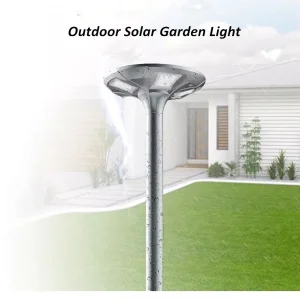
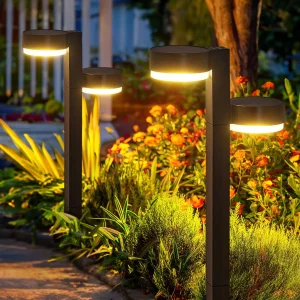
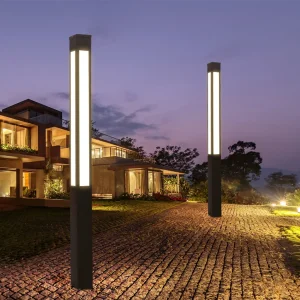
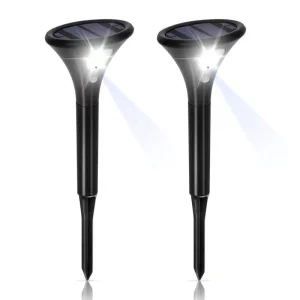
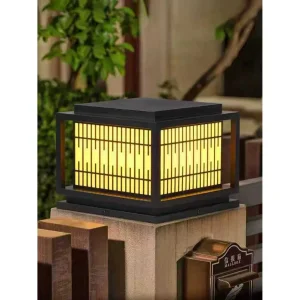
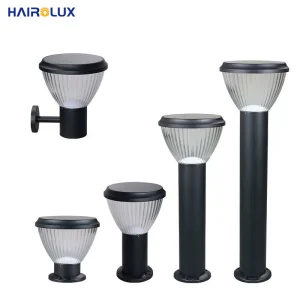
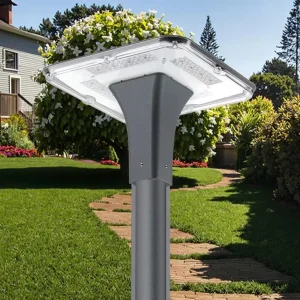
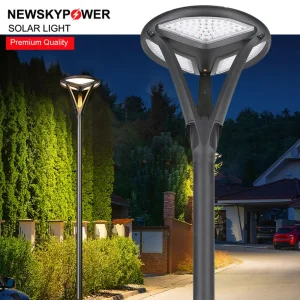
Explore our full line of commercial-grade solar ground lights, floodlights, post-tops, and customized lawn lights optimized for Lesotho's microclimates.

Technical & Procurement FAQ (Q&A)
Critical engineering and commercial answers for developers, procurement heads, and EPC contractors working in Lesotho.
Launch Your Solar Infrastructure Initiative
Get in touch with our application engineering department. We offer customized design services, photometric project mapping, SADC logistics support, and wholesale manufacturer pricing.