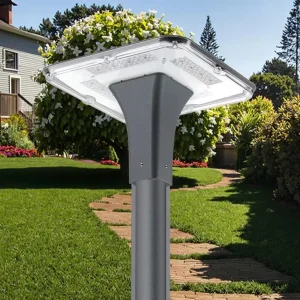
Midmo Lights
Primary Task Lighting Solutions
Explore our engineering-grade solar lighting modules designed for robust performance in municipal, residential, and remote infrastructure settings.
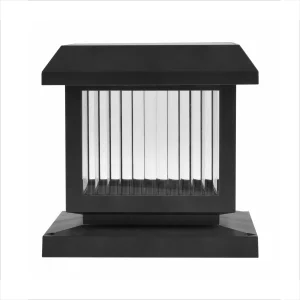
Outdoor Solar Wall Lamp with Fence Pillar Light Solar Garden Lights
View Specifications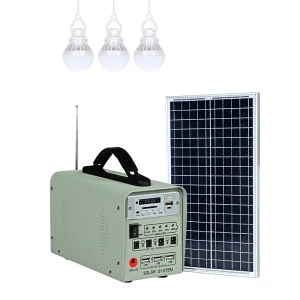
Solar-Powered Outdoor Lighting Kit
View Specifications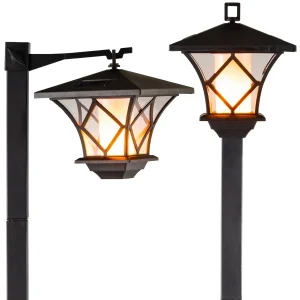
1.5m LED Outdoor Garden Flame Solar Wall Light Street Landscape Spot Lamp
View Specifications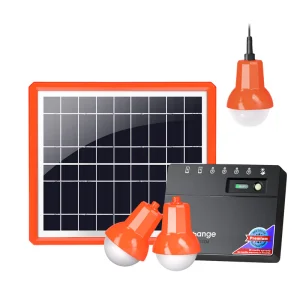
Solarchange Lighting Africa Solar Lighting System 5W Solar Home Kit for Indoor/Outdoor Use
View Specifications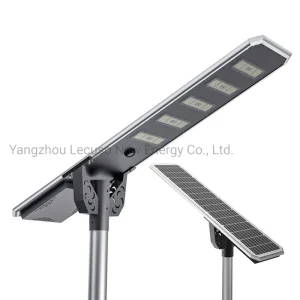
Light Gate Floor Fence Wall Lights Farolas Solares Farola Lamp Farm Solar Street Light
View Specifications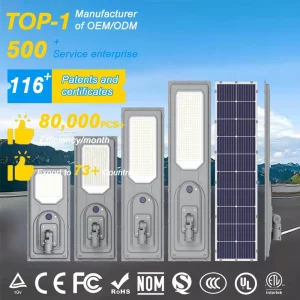
Energy Saving Aluminum IP66 Waterproof Outdoor 100W 200W 300W All in One LED Solar Street Light
View Specifications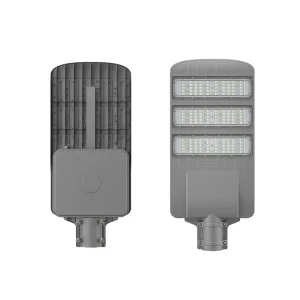
Light-Controlled Outdoor LED Solar Double-Arm Landscape 250W Solar Street Light 100W 150W
View Specifications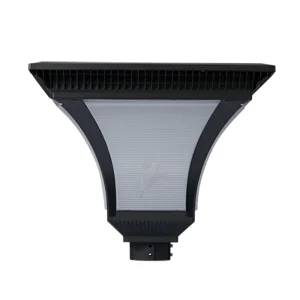
Garden LED Swimming Pool Light Solar System Energy Saving Home Villa Decoration
View SpecificationsAbout Us & Our Production Philosophy
We began to develop solar lights in 2006, and have never stopped our steps to find new technology and fashionable designs of it. Due to our lasting development and marketing promotion, solar lights have successfully replaced thousands of inefficient electrical and gas-powered post or wall lights.
Solar lights are electric lights that are converted into solar energy by solar panels. During the day, even on a cloudy day, this solar generator (solar panel) can also collect and store solar energy. As a safe and environmentally friendly new light, solar lights have received increasing attention.
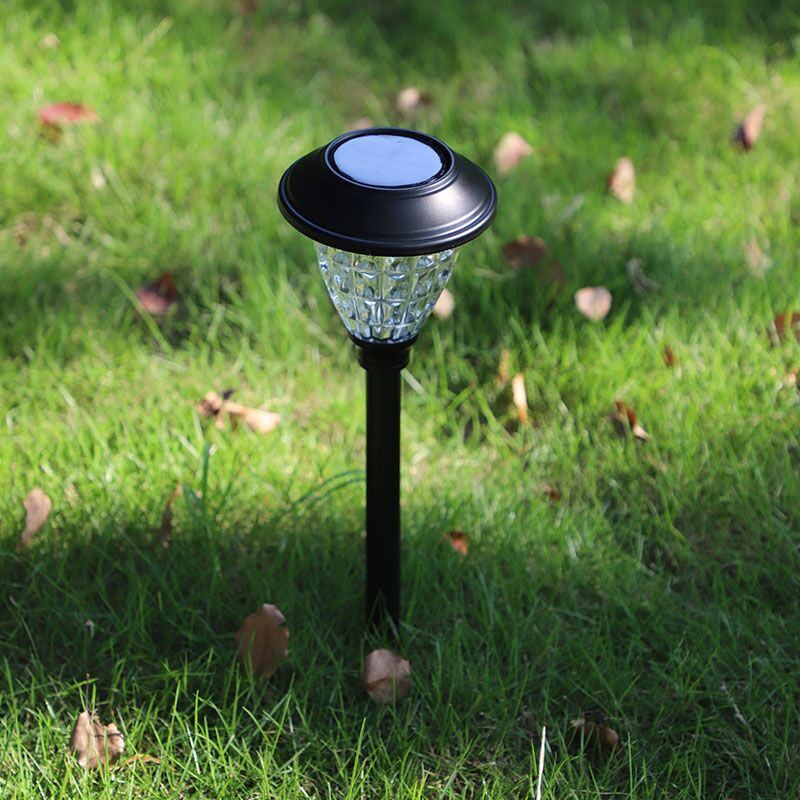
[Factory Insight Video - Dynamic Solar Testing Assembly Line]
Executive Whitepaper: Industrializing Solar Task Lighting
How Modern Off-Grid Optical Systems Outperform Traditional Electrical Infrastructures in Cost, Durability, and Energy Density.
1. The Physics of High-Performance Energy Collection
At the center of commercial-grade solar task lighting is the efficiency loop between the photovoltaic (PV) collector, the charge control system, and the storage chemistry. Traditional consumer solar systems suffer from steep energy losses due to suboptimal junction box design and low-efficiency polycrystalline panels. Modern industrial exporters in China have shifted completely to high-grade A-class monocrystalline silicon wafers featuring conversion efficiencies exceeding 22.5%.
Furthermore, standard photovoltaic systems struggle during winter months or under overcast skies. To address this, modern task lighting utilizes bypass diodes across segmented cell channels. This design maintains current output even when sections of the panel are shadowed. Advanced maximum power point tracking (MPPT) microcontrollers continuously recalculate the impedance of the cell array, maximizing the solar output even under diffuse daylight conditions.
2. Storage Innovations: The Transition to Lithium Iron Phosphate (LiFePO4)
Historically, solar battery systems relied on Lead-Acid or Nickel-Metal Hydride (NiMH) batteries. These legacy systems faced significant challenges with deep discharges, short lifespans (typically 300 to 500 charge cycles), and hazardous chemical disposal. Modern solar task lighting systems utilize integrated Lithium Iron Phosphate (LiFePO4) batteries as their primary energy storage technology.
LiFePO4 chemistry provides significant performance improvements for industrial installations:
- Thermal Stability: Safe operation in ambient temperatures ranging from -20°C to 65°C without thermal runaway risks.
- Extended Lifecycle: Delivers over 3,000 deep discharge cycles (80% DOD) before capacity falls below 80% of nominal value, translating to over 8 years of zero-maintenance operations.
- Volumetric Energy Density: Compact footprint allowing the battery bank to be integrated directly within the lighting housing, reducing exposure to weather and vandalism.
Technology Roadmap & Future Outlook (2025–2030)
A strategic overview of where the industrial solar task lighting sector is heading, detailing integration with IoT networks and perovskite materials.
IoT Integration & Smart Dimming Profiles
Deployment of low-power Bluetooth mesh and Zigbee networking protocols. Fixtures automatically adapt brightness based on surrounding pedestrian or vehicle density, extending runtimes during prolonged overcast weather.
Perovskite-Silicon Tandem Solar Cells
Transition from standard silicon to tandem solar cells, increasing potential conversion efficiencies past 28%. This allows smaller panel footprints while retaining high energy collection capacity.
AI-Driven Predictive Energy Budgets
Smart lighting controllers sync with local micro-climate forecast APIs via cellular IoT nodes. System automatically reserves battery power when a series of storms is predicted, maintaining critical path illumination without interruption.
Macro Industry Solutions
Tailored solar task lighting packages designed to solve complex infrastructure, municipal, and commercial project needs worldwide.
Smart City Municipal Integration
Reducing municipal operational overhead by replacing grid-tied park pathway, garden, and exterior wall lighting with autonomous solar luminaires. Integrates with municipal central management software (CMS).
Off-Grid Humanitarian & Micro-Grids
Providing essential lighting kits for off-grid communities. High-efficiency solar home systems featuring portable lights, FM Radio/MP3 components, and mobile charging features to improve life and security in remote areas.
Commercial & Industrial Facilities
Illumination for warehouses, farms, security gates, and perimeter fencing. These units bypass expensive cabling, concrete trenching, and grid connection permits, saving up to 60% in initial capital expenditures.
China Factory 4.0: Supply Chain Resilience & Efficiency Advantages
Inside the automated production lines that keep our global supply chain reliable and efficient.
Modern Chinese solar manufacturing clusters have evolved from simple manual assembly shops into automated "Industry 4.0" factories. This transformation has significantly improved quality control, production capacity, and unit economics.
"Vertical integration of raw silicon processing, SMT circuit board printing, and precision optical molding within a single industrial ecosystem allows us to reduce delivery times by 35% compared to non-integrated manufacturers."
Key manufacturing processes include:
- Automated SMT Assembly: Eliminates human error during the controller soldering stage, preventing moisture ingress damage at critical board junctions.
- Optical Dispersion Testing: Each LED lens array undergoes rigorous spectroradiometer tests to confirm optimal light dispersion and minimal lumen degradation.
- Thermal Shock & Environmental Testing: Randomly sampled production units undergo 48-hour climate chambers cycling between -30°C and 70°C to guarantee long-term outdoor performance.
Localization Support, Quality & Compliance
Meeting international testing protocols and procurement compliance requirements for B2B buyers.
International Certifications
Our production facilities hold ISO 9001 and ISO 14001 certifications. Product models are fully certified for export to North America and Europe, meeting CE, RoHS, FCC, and UL standards.
Extreme Ingress Verification
Our outdoor solar lights carry verified IP65, IP66, and IP68 ratings. They are dust-tight and rated for direct exposure to high-pressure water jets or prolonged submersion in water features.
Sustainable Sourcing
We source raw materials ethically and support carbon-neutral manufacturing initiatives. This helps our clients meet global Environmental, Social, and Governance (ESG) requirements.
Frequently Asked Questions (FAQ)
Common technical, purchasing, and design questions answered by our engineering team.
Commercial & Emergency Solar Products
Specialized solar power kits, waterproof utility spot fixtures, and durable emergency lighting solutions designed for high reliability.
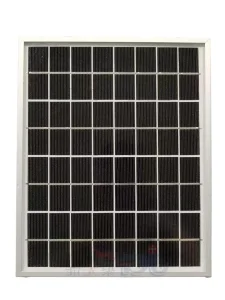
High-Efficiency Solar Panel Kit for Outdoor Lighting Solutions
View Specifications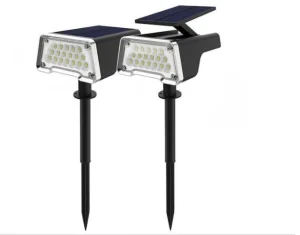
Factory Wholesale Roof Lights Waterproof Backyard Courtyard Lighting Solar Lights
View Specifications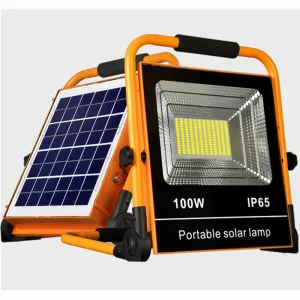
Foldable Solar LED Portable Camping Emergency Waterproof Travel Outdoor Light Wbb15141
View Specifications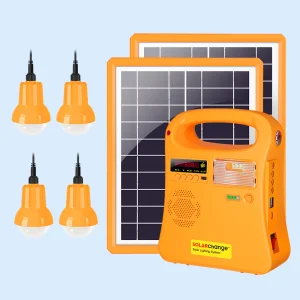
Lighting Global Solar Light System with FM Radio/MP3 Player/Mobile Charger in Rural Area
View Specifications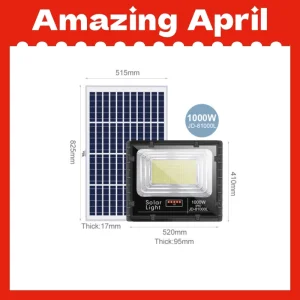
300W 200W High Quality Waterproof Outdoor Wall Solar Reflector Solar LED Flood Garden Lights
View Specifications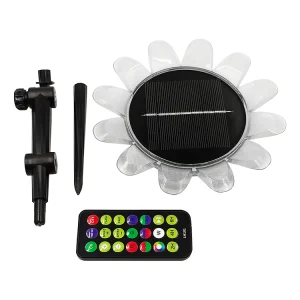
Outdoor Swimming Pool Garden Use IP68 Waterproof Colorful Solar Powered Garden Light
View Specifications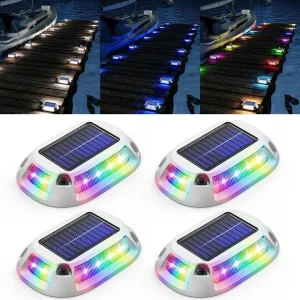
Solar LED Pool Lights for Stunning Outdoor Ambiance
View Specifications