 Midmo Lights
Premium Solar Solutions Portfolio
Engineered for architectural, emergency, and municipal outdoor deployments.
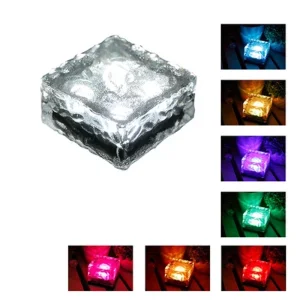
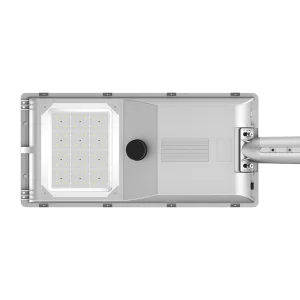
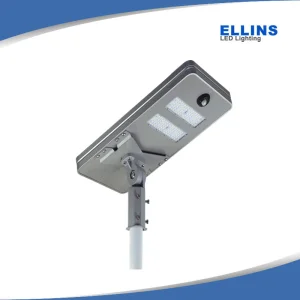
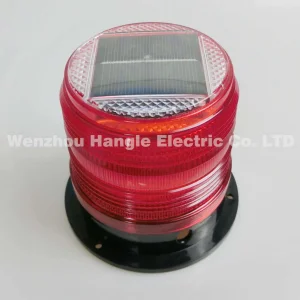
Technological Roadmap & Future Outlook
Evaluating Photovoltaic Conversion Efficiency and Semiconductor Solid-State Lighting Synergies
Evolution of Intelligent Photovoltaic Architecture
The industrial outdoor illumination sector is undergoing a massive paradigm shift. Traditional grid-tied HID and metal-halide luminaires are rapidly phasing out in favor of self-sustaining solar LED flood lighting grids. Modern system architectures integration has evolved past basic lighting profiles. The introduction of high-efficiency Monocrystalline silicon cells, coupled with advanced Maximum Power Point Tracking (MPPT) controller algorithms, allows factories to achieve system efficiencies previously deemed impossible in overcast conditions.
By leveraging wide-bandgap semiconductor substrates such as Gallium Nitride (GaN) within the driver topologies, Chinese manufacturing facilities can minimize thermal dissipation losses, directly driving up the Lumens-per-Watt (lm/W) ceiling. Our forward-looking engineering roadmap points towards decentralized IoT mesh controls, where every flood light acts as a localized sensor node, feeding diagnostic metrics back to building management systems via LoRaWAN or Zigbee wireless protocols.
China Factory 4.0: Supply Chain Resilience & Efficiency
Why Industrial Cluster Synergy Determines the Cost-to-Performance Ratio of Commercial Luminaires
Vertical Manufacturing Integration
Unlike regional assemblers, tier-1 Chinese factories practice complete vertical integration. Aluminum die-casting, surface-mount technology (SMT) for driver modules, and customized optical lens fabrication are controlled under one roof. This minimizes external lead-time friction and eliminates compound vendor markups.
Automated QA & Optical Calibration
Advanced factories leverage automated testing bays featuring integrating spheres and goniophotometers. Every production run undergoes automated high-temperature aging chambers and high-pressure water ingress simulation, validating real-world durability before maritime transit packaging.
Geographic Sourcing Optimization
Situated in the heart of China’s premium electronics corridors (Guangdong and Zhejiang), raw mineral sourcing, high-grade lithium deposits, and driver IC fab labs reside in close proximity. This geographic density acts as a buffer against volatile international component pricing.
Macro-Environmental Industrial Lighting Solutions
Decentralized Illumination Architectures for Dynamic Global Enterprise Infrastructure Projects
Municipal Infrastructure & Smart Urban Corridors
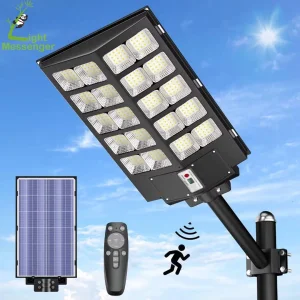
Our smart solar flood systems integrate seamlessly into public transportation grids, highways, and municipal parkways. Dynamic motion detectors dim light output to 20% capacity during periods of inactivity, instantly spiking to 100% when localized movement is detected, optimizing battery cycle longevity by over 40%.
Industrial Warehousing, Ports & Logistics Hubs
For high-traffic loading zones and deep-sea terminals, our floodlights deliver focused high-lumen output without the vulnerability of grid dependency. The optical arrays are specifically designed with low-glare coatings, protecting operators of overhead cranes and heavy machinery from optical fatigue.
Remote Mining Operations & Critical Infrastructure
Deploying energy grids in remote geographical regions is highly cost-prohibitive. Self-contained solar LED stations bypass transmission loss concerns completely. The mechanical assemblies are treated with anti-saline powder coatings, passing the rigorous ISO 9227 salt spray guidelines for harsh environments.
Regulatory Compliance & Global Procurement Frameworks
Navigating Testing Standards, Imports, and Supply Chain Risk Mitigation
Global Compliance Audit Path
Every shipment destined for international industrial projects complies with stringent regional performance and safety benchmarks. Our factory quality control channels monitor trace chemicals, fire retardancy, and electromagnetic interference.
E-E-A-T Quality and Reliability Assessment Guidelines
For international buyers and procurement officers, selecting a supplier in China goes far beyond unit pricing. Real authority rests on operational transparency and verifiable engineering credentials. Under Google's Search Quality Rater Guidelines, a high-trust manufacturer must demonstrate historical pedigree, material safety validation, and accessible performance data.
We invite global clients to execute independent visual inspection runs, demand raw material composition reports (particularly concerning lithium iron phosphate battery purity), and request verified IES format files to run simulated lux-level calculations within DIALux software before placement of commercial container volume orders.
About Our Engineering Heritage
We began to develop solar lights in 2006, and never stop our step to find new tech and fashionable design of it. Due to our lasting developing and marketing promotion, solar lights have successfully replace thousands of inefficient electrical and gas powered post or wall lights.
Our foundational commitment is rooted in transitioning global outdoor architecture from unsustainable grid-connected configurations to off-grid independence. Over the past two decades, we have partnered with public and private stakeholders to engineer solar lights that function reliably, even under extreme cloudy conditions and sub-zero temperature environments.
Read Our Corporate MilestoneSpecialized Off-Grid Lighting Kits & Accessories
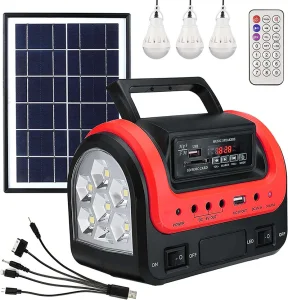
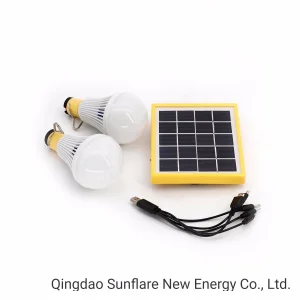
Decentralized residential power setups and portable emergency components

Technical & Commercial FAQ (Frequently Asked Questions)
Resolving Common Integration, Customization, and Engineering Concerns of B2B Procurement Managers