When it comes to outdoor lighting, solar lights offer a sustainable solution that many homeowners appreciate. However, a common question arises: "Why do solar lights stop working after some time?" This issue can frustrate users who rely on these lights for safety and ambiance in their gardens or pathways. According to Dr. John Smith, a solar technology expert, “The lifespan of solar lights often depends on the quality of the components used.”
Many factors contribute to the decline in performance of solar lights. Often, the batteries degrade after repeated charging cycles. Environmental conditions such as extreme temperatures or inadequate sunlight can also play a significant role. Users may not realize that dust and debris on solar panels can drastically reduce their efficiency.
It’s essential to understand these elements to prolong the life of your solar lights. Regular maintenance is key. Changing batteries and cleaning panels can help. Yet, some units may have limitations due to their design. Balancing quality and cost is crucial in this situation. Overall, exploring "Why do solar lights stop working after some time" prompts valuable reflections on consumer choices and technology sustainability.
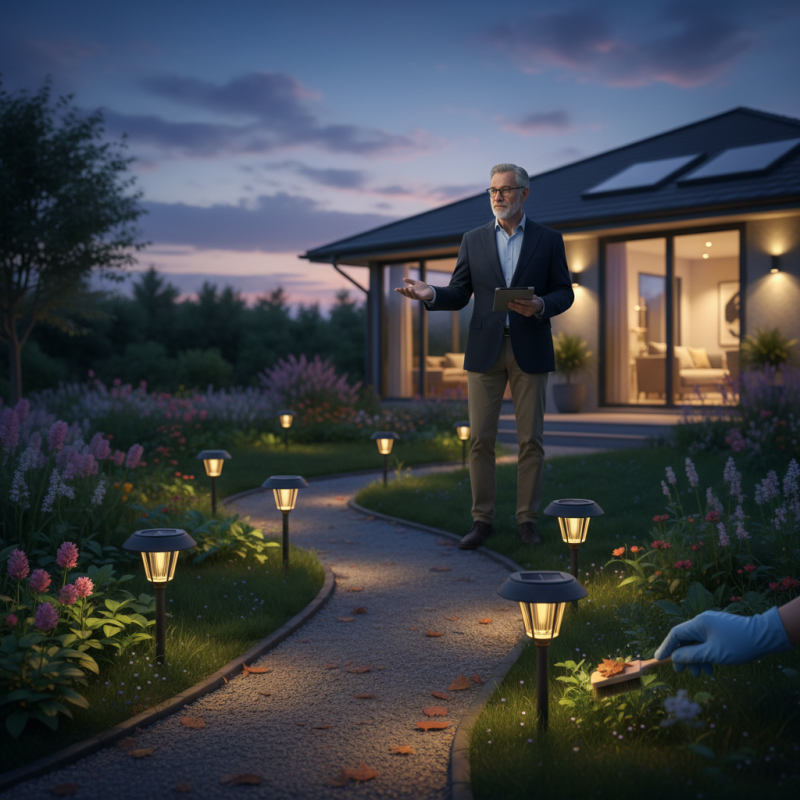
Solar lights offer a convenient and eco-friendly way to illuminate outdoor spaces. However, many users find that their solar lights stop working after a while. Understanding the common reasons for this failure can help homeowners prolong the life of their solar lighting systems.
One major reason solar lights fail is battery degradation. Over time, the rechargeable batteries lose their capacity. This loss can result in dim lighting or complete failure. Regular maintenance, such as cleaning solar panels, is essential. Dust and dirt can block sunlight, reducing charging efficiency.
Another factor is weather exposure. Extreme temperatures and moisture can damage the internal electronics of solar lights. Ensure your lights are designed for your climate. This makes a significant difference in longevity.
Tips: Check battery health annually. Replace them if performance declines. Additionally, choose quality lights with weather-resistant designs. Protecting your investment will pay off in extended functionality. Remember, regular care can help avoid common pitfalls.
Weather conditions play a significant role in the lifespan of solar lights. Harsh elements, such as heavy rain or snow, can lead to premature failure. According to a study by the Solar Energy Industries Association, solar lights can lose up to 20% of their efficiency in areas with frequent rain. Water damage can corrode internal components, impacting the light's lifespan.
UV exposure is another critical factor. Prolonged sunlight can degrade the housing and solar panels. Research indicates that solar lights in sunny regions may need replacement every two to three years due to material breakdown. Temperature fluctuations also affect battery performance. Extreme heat or cold can reduce battery capacity by up to 50%.
These findings highlight the need for more durable solar light designs. Current models often struggle under challenging weather. Many users overlook these details, leading to frustration with product performance. Understanding the effects of weather is essential for consumers. Not all solar lights are built equally, and recognizing the environmental aspects can influence buying decisions. Reliable data reveals that proper maintenance can extend the life of solar lights significantly. Users must take these factors into account.
| Weather Condition | Impact on Solar Lights | Estimated Lifespan Reduction | Maintenance Tips |
|---|---|---|---|
| Heavy Rain | Water damage and corrosion of electrical components. | 30% | Use waterproof casings and regularly check for leaks. |
| Extreme Heat | Overheating can damage batteries and LEDs. | 40% | Ensure proper ventilation and consider shade structures. |
| Snow/Ice | Weight of accumulated snow can damage fixtures. | 20% | Clear snow periodically and use strong anchors. |
| Hail | Hail can break or shatter fixtures, damaging light output. | 50% | Cover with protective mesh or bring inside during storms. |
| Wind | Strong winds can dislodge lights or cause instability. | 15% | Secure fixtures properly and check for loosening. |
Battery life plays a crucial role in solar lighting systems. Most solar lights use rechargeable batteries, which degrade over time. This degradation affects performance and can lead to diminished light output. Users often notice their lights dimming or turning off completely, even with full sun exposure.
Regular maintenance can extend battery life. Clean the solar panels to ensure optimal charging. Dust and debris can block sunlight, leading to insufficient energy storage. Additionally, replacing batteries every few years is important for maintaining brightness. However, not everyone considers this aspect. Ignoring it can result in a waste of resources and disappointment.
Reflecting on user experiences reveals common pitfalls. Users often overlook battery management, leading to premature failure. It’s essential to understand the specific needs of your solar lights. Recognizing these details can significantly enhance their longevity and functionality.
When choosing solar lights, the importance of quality and materials cannot be overstated. Many consumers overlook the fact that inferior materials can lead to early failures. For example, low-grade plastic can become brittle under harsh sunlight. This leads to breakage and ultimately renders the solar lights useless.
Moreover, using subpar batteries can also affect performance. If a battery does not hold a charge, the lights will not illuminate at night. In many cases, customers find themselves replacing solar lights after only a season of use. It’s frustrating when you realize that your investment could have lasted longer with better materials.
A focus on quality construction is essential. Look for lights made with durable metal or high-quality ABS plastic. They often withstand different weather conditions. Investing in well-constructed solar lights means fewer replacements over time. Good materials help ensure reliable performance and longevity. However, many are tempted by lower prices, only to regret their choices later. Reflecting on these aspects is crucial for a more satisfactory purchase experience.
Solar lights are a great addition to any outdoor space. However, they can stop working unexpectedly. Identifying the issue can be challenging.
Start by inspecting the solar panel for dirt or debris. A dirty panel can prevent sunlight from charging the battery effectively. Clean it gently with a soft cloth.
Next, check the battery itself. Over time, batteries lose their ability to hold a charge. Replace the battery if it’s old or shows signs of wear.
Connection issues can also cause problems. Ensure all connections are tight and free from corrosion. Tightening or cleaning the connections can often restore function.
Sometimes, the location of the solar lights matters. If they are shaded by trees or structures, they may not charge well. Consider relocating them for better sunlight exposure. It’s frustrating when solar lights don't work, but understanding these factors can lead to solutions. Reflecting on these aspects can save time and money in the long run.
: Harsh weather, like heavy rain or snow, can cause early failure. Solar lights can lose efficiency in frequent rain.
Prolonged UV exposure can break down materials. Lights may need replacement every two to three years.
Extreme heat or cold can cut battery capacity by 50%. This greatly affects performance.
Regular cleaning and proper maintenance can extend their life significantly. This often gets overlooked.
Inspect the solar panel for dirt. A dirty panel can prevent effective charging.
Old batteries often don’t hold charges well. Replacing them can resolve many issues.
Yes, shade from trees or structures can hinder charging. Relocating lights can improve sunlight exposure.
Not all solar lights are made the same. Quality varies, and environmental factors impact performance.
Users often overlook maintenance needs, leading to frustrating experiences and poor performance.
Check connections for corrosion and ensure they are tight. This simple step can often restore function.
Solar lights are an eco-friendly and convenient lighting solution, but many users wonder, "Why do solar lights stop working after some time?" Several common factors contribute to their failure over time, including adverse weather conditions that can damage components and degrade their functionality. Additionally, the lifespan of batteries and the importance of regular maintenance play a critical role in ensuring longevity.
Quality of materials used in solar lights also significantly impacts their durability and effectiveness. To address and troubleshoot non-working solar lights, users should consider factors such as battery health, solar panel condition, and placement for optimal sunlight exposure. By understanding these elements, users can enhance the performance and lifespan of their solar lighting systems.

Midmo Lights