Understanding "Why do solar lights stop working after some time" is crucial for anyone relying on solar-powered lighting. Mark Johnson, a solar energy expert with over 15 years in the industry, states, "Many users underestimate the impact of environmental factors on solar lights." Solar lights can be handy for outdoor spaces, yet they often frustrate users when they fail prematurely.
Several reasons contribute to this issue. Commonly, battery degradation occurs due to poor sunlight exposure. If solar panels are consistently shaded, the batteries won’t charge adequately. Additionally, weather conditions and dirt accumulation can hinder performance. Users sometimes neglect routine maintenance, leading to unnecessary failures.
Additionally, low-quality components can contribute to a shorter lifespan. Consumers should consider opting for reputable brands that prioritize durability and performance. Understanding these factors helps ensure your solar lights remain functional for years. It's a learning process; sometimes we expect too much. Recognizing potential pitfalls can lead to better choices in solar lighting.
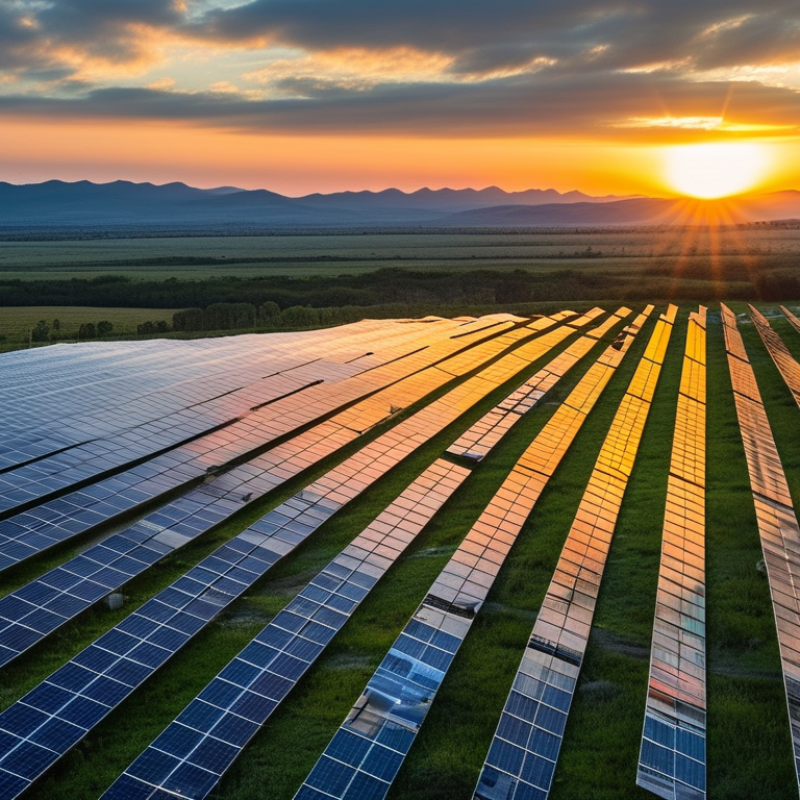
Solar lights are a popular choice for outdoor illumination, but many users find them malfunctioning after just a few months. Understanding the common reasons for their failure can help you avoid these frustrations.
One major issue is insufficient sunlight exposure. Solar lights need direct sunlight to charge fully. If they are placed in shaded areas, their performance diminishes. Keep an eye on how much sun your lights are getting each day. Another common problem is the battery. Low-quality batteries may not hold a charge properly. Regularly check the battery's condition, as replacing it may restore functionality.
To extend the lifespan of your solar lights, clean the solar panels frequently. Dirt and debris can block sunlight, impairing their ability to charge. Ensure you adjust the lights or their position for optimal sun exposure. Also, pay attention to the weather. Extreme temperatures can damage electronic components over time. It’s worth considering a seasonal check-up to keep them in shape.
Solar lights offer an eco-friendly and energy-efficient solution for outdoor lighting. However, many people find that these lights often stop working after a few months. One significant factor is the quality of the batteries used in these solar lights. According to industry data, batteries can account for up to 60% of a solar light's performance and lifespan.
Low-quality batteries tend to have short lifespans, leading to frequent replacements. Many solar lights use nickel-cadmium (NiCd) batteries, which can degrade quickly, especially with extreme temperatures. Studies from solar energy research institutions indicate that premium lithium-ion batteries can provide better performance and longevity, often exceeding 2,000 charge cycles. Investing in higher-quality batteries can significantly enhance the overall effectiveness of solar lights.
To maximize the lifespan of your solar lights, consider replacing low-quality batteries with superior options when needed. Regularly cleaning the solar panels can also prevent dirt buildup, ensuring optimal sunlight absorption. If your solar lights dim quickly, it may be time to check the battery status. Additionally, ensure that the lights receive adequate sunlight each day to maintain performance. Making these small maintenance efforts can lead to extended usage and improved satisfaction.
Maintaining solar lights can greatly extend their lifespan. Regular cleaning is essential. Dust and dirt can accumulate on solar panels. This buildup can block sunlight. Clean the panels with a soft cloth monthly. This simple act boosts efficiency.
Next, check the battery condition periodically. Batteries can degrade over time. Replace them every few years. Look for any signs of corrosion or damage. Using the right battery type matters. Always refer to the instruction manual for guidance.
Consider the placement of your solar lights. They need direct sunlight for optimal performance. If trees or buildings cast shadows, they won’t charge properly. Adjust their positions as necessary. Regularly inspect the light fixtures, too. Sometimes connections can loosen. Tightening them can solve many issues. Addressing these factors can significantly enhance their longevity.
Solar lights are a convenient addition to outdoor decor, but many users find that they stop working after a few months. One significant reason for this is environmental factors. Weather conditions play a crucial role in the longevity and performance of solar lights. Intense heat can damage the battery, while freezing temperatures may hinder their ability to charge properly.
In addition to temperature, exposure to moisture can lead to corrosion. Rain, snow, and humidity can penetrate the casing and damage internal components. Dust and debris accumulation on solar panels reduces their efficiency. Regular cleaning is essential to maintain optimal performance. Observing these environmental impacts will help users understand why their lights might fail prematurely.
While solar lights offer numerous benefits, they are not immune to a variety of challenges. Understanding how environmental factors affect performance can lead to better maintenance choices. Regular inspections and timely repairs can extend their usability. Solar lighting can be a reliable option when users take these considerations into account.
Solar lights are popular for their eco-friendly benefits. However, they often stop working after a few months. Identifying the issue can help restore their functionality. One common problem is battery failure. Most solar lights use nickel-cadmium or lithium-ion batteries. They typically last 1-3 years. A report from the Solar Energy Industries Association highlights that improper maintenance can significantly reduce battery life.
Another issue can be inadequate sunlight exposure. Solar lights need at least six hours of direct sunlight daily to charge fully. If trees or buildings cast shadows, the lights may not function correctly. Additionally, dirt and debris can block the solar panel. Regular cleaning can improve performance but is often overlooked. A simple wipe with a damp cloth can make a difference.
Lastly, the internal circuitry may fail. Harsh weather conditions, such as heavy rainfall or snow, can damage the electronics. Manufacturers suggest that using waterproof materials can enhance durability. However, not all products meet these standards. Checking for any visible signs of damage or corrosion can help identify issues. Repair or replace damaged components promptly to prolong the lifespan of your solar lights. Understanding these aspects can lead to more efficient use of solar lighting systems.
: A common reason is insufficient sunlight exposure. They need direct sunlight to charge effectively.
Check for signs of corrosion or damage. If it doesn’t hold a charge well, consider replacing it.
Regularly clean the solar panels with a soft cloth. Dust and dirt can block sunlight and reduce efficiency.
Yes, extreme heat can damage batteries, while freezing temperatures can hinder charging abilities.
Very! They need to be in direct sunlight. Adjust their position if shadows from trees or buildings fall on them.
Weather conditions like rain, snow, and humidity can cause internal damage. Regular inspections help identify issues.
Check them periodically to ensure all connections are tight and functioning well. Regular maintenance is key.
Clean the solar panels monthly. This boosts efficiency and prolongs their lifespan.
Yes, dust and debris can block sunlight and reduce charging capacity. Keep them clean for optimal function.
Yes, conducting seasonal inspections can keep them in shape and address any maintenance needs early.
In exploring the question of "Why do solar lights stop working after some time," several common reasons emerge, including poor battery quality and insufficient maintenance. As solar lights rely heavily on their batteries for performance, using low-quality batteries can significantly shorten their lifespan. Additionally, neglecting regular maintenance—such as cleaning solar panels and replacing batteries—can lead to malfunctioning units over time.
Environmental factors also play a crucial role in the performance of solar lights. Extreme weather conditions and inadequate sunlight can diminish their efficiency. To troubleshoot non-functional solar lights, users should check battery connections, ensure solar panels are clean, and assess whether the lights are exposed to enough sunlight. By understanding these aspects, one can implement effective maintenance tips to extend the life of solar lights and enjoy their benefits for longer periods.

Midmo Lights