Solar lights are a great addition to any outdoor space. They offer convenience and sustainability. However, even the best solar lights can experience issues. Understanding how to troubleshoot common solar light problems can help you restore their functionality.
When solar lights fail, it can be frustrating. Many people overlook simple issues. Poor sunlight exposure is often a key culprit. Sometimes, dirt or debris also blocks the solar panel. Taking the time to clean the panel may resolve the problem.
Battery malfunctions are typical as well. Old or depleted batteries reduce performance. Checking and replacing them can make a significant difference. By addressing these common concerns, you can enhance the longevity and effectiveness of your solar lights. Don't hesitate to explore these solutions. Your outdoor area deserves a reliable lighting option.
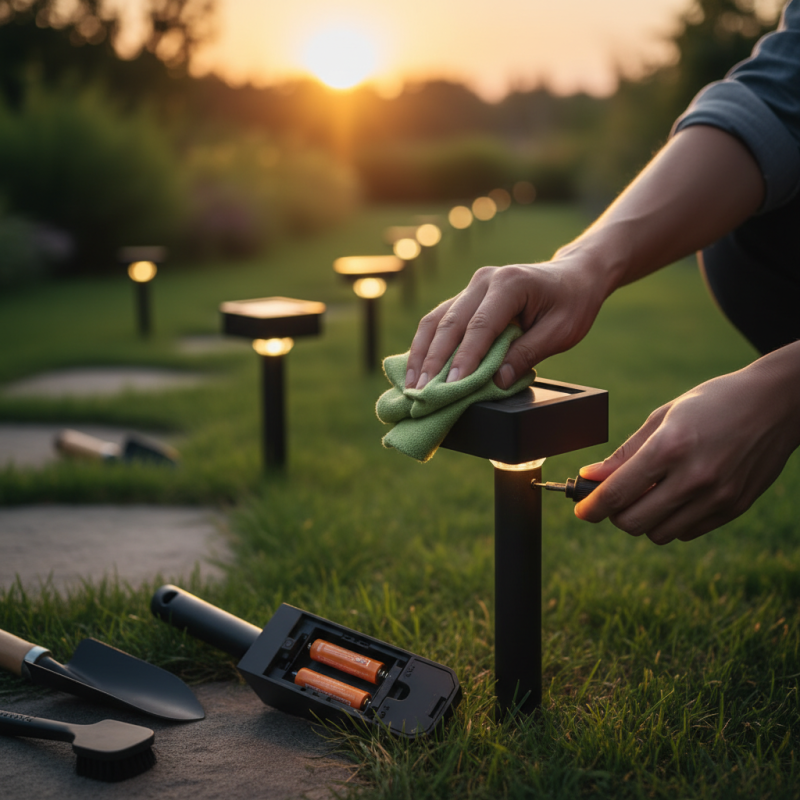
Solar lights are a popular choice for outdoor illumination. However, they can sometimes face issues that hinder their performance. Understanding these problems is crucial for effective troubleshooting. One common issue is insufficient sunlight exposure. Solar lights rely on solar panels to charge. A location with too much shade can reduce their efficiency. Consider trimming surrounding plants or relocating lights to sunnier areas.
Another frequent concern is battery failure. Many solar lights come equipped with rechargeable batteries. Over time, these batteries lose their ability to hold a charge. Regularly check the battery's condition and replace it when necessary. It's also vital to ensure the battery connections are clean and secure. A rusted or dirty connection can disrupt power flow.
Dirt and debris on solar panels can significantly impact functionality. Dust, leaves, or snow accumulation can block sunlight. Regular maintenance can prevent such problems. Clean the panels gently with a soft cloth to ensure optimal performance. If your solar lights still fail to work after these adjustments, consider examining the internal wiring. Frayed wires can lead to power loss. Taking these steps can significantly enhance the longevity and effectiveness of your solar lighting.
Solar lights are increasingly popular for outdoor spaces. To understand how they work, we must explore their essential components. The main parts include solar panels, rechargeable batteries, LED bulbs, and a controller.
Solar panels capture sunlight during the day. This energy is converted into electrical power. However, issues may arise if the panels are dirty or obstructed. Regular cleaning can ensure optimal performance. Once charged, the batteries store energy for nighttime use. A faulty battery can lead to dim or flickering lights. Sometimes, replacing the battery can restore function.
LED bulbs are energy-efficient. They provide bright light without consuming much power. However, they may not shine as bright if the battery is weak. The controller manages the charging and lighting functions. A malfunctioning controller can lead to erratic behavior. Understanding each component is crucial for troubleshooting. Regular maintenance prevents problems and maximizes efficiency.
When solar lights fail, diagnosing the problem methodically can save time and frustration. Start by checking for physical damage. Inspect the solar panel and light fixture for any cracks or debris. A small obstruction can block sunlight. Clean the panel gently with a soft cloth. This simple step often resolves issues.
Next, verify the battery status. Remove the battery and check for signs of corrosion or leakage. If the battery seems old or damaged, replacing it is a smart choice. Ensure the new battery is compatible with your solar light model. Incorrect or poor-quality batteries can lead to further failures.
Tips for troubleshooting solar lights include ensuring they are positioned correctly. Sunlight is essential for charging. A shadowed area will not allow the batteries to fully charge. Consider the seasonal changes in sunlight exposure. If your lights flicker or dim, it may indicate a need for new batteries or a deeper issue. Regular maintenance is needed for long-lasting performance. Remember, sometimes these simple checks can point you to a solution.
Solar lights are a wonderful addition to any outdoor space, but they can sometimes encounter issues. One common malfunction is a lack of brightness. This could stem from dirty solar panels. Dust or debris can block sunlight. A simple cleaning can often restore their function. Use a soft cloth and some mild soap to gently wipe the panels.
Another frequent issue is short battery life. This can be frustrating, especially during cloudy days. Solar light batteries degrade over time. If the lights do not hold a charge, it may be time to replace them. Look for batteries that match the specifications of your lights. In some instances, the placement of the light can affect battery performance. Ensure that your solar lights are positioned in direct sunlight for optimal charging.
Connections can also be a source of trouble. Sometimes, wires may come loose or corrode. Inspect all connections for any signs of wear. Tightening loose connections could solve flickering or intermittent issues. If corrosion is present, cleaning or replacement may be necessary. Regular maintenance will help keep your solar lights functioning effectively.
Maintaining solar lights is crucial for optimal performance. Regular checks can prolong their lifespan. According to the Renewable Energy Association, proper maintenance can enhance efficiency by nearly 30%. Keeping solar panels clean is vital. Dust and debris can block sunlight, reducing energy absorption.
Check your batteries at least twice a year. Poor battery health affects runtime. Swapping batteries every couple of years can ensure your lights stay bright during the night. Also, position your lights for maximum exposure. Shadows from trees or buildings can diminish sunlight intake.
**Tips:** Clean your solar panels monthly. This simple step can significantly improve performance. Don’t ignore the wiring. Frayed wires can cause malfunctions. Consider seasonal adjustments. Moving lights seasonally based on sun position can optimize their effectiveness. Regular maintenance not only saves costs but also keeps your outdoor spaces beautiful and functional.
| Issue | Possible Causes | Solutions | Maintenance Tips |
|---|---|---|---|
| Light Not Turning On | Dead Battery, Insufficient Sunlight | Replace Battery, Check Solar Panel Position | Clean Solar Panel Regularly, Ensure Direct Sun Exposure |
| Dim Light Output | Battery Aging, Dirty Lens | Replace Battery, Clean Lens | Regularly Inspect Lights, Replace Parts as Needed |
| Flashing Light | Faulty Components, Low Charge | Reset Light, Charge Fully | Store in Optimized Temperature Conditions |
| Short Runtime | Insufficient Charging, Faulty Battery | Reposition for Better Sunlight, Replace Battery | Charge During Long Sunlight Hours, Use Quality Batteries |
| Sensor Malfunction | Obstructed Sensor, Electrical Issues | Clear Obstructions, Inspect Wiring | Position Sensor Correctly, Protect from Rodents |
: Begin by checking for physical damage. Inspect the solar panel and fixture for cracks or debris.
Clean the panel gently with a soft cloth. This often resolves many issues.
Remove the battery and look for signs of corrosion or leaks. Replace it if it’s damaged.
Ensure the new battery is compatible with your solar light model.
Proper sunlight exposure allows batteries to charge fully. Shadows can reduce efficiency significantly.
Regular checks are crucial. Clean panels monthly and check batteries twice a year for best performance.
Dust and debris can block sunlight, reducing energy absorption and light output.
Moving lights based on sun position can optimize their effectiveness throughout the year.
It may indicate poor battery health or a deeper issue requiring attention.
Frayed wires can lead to malfunctions or reduced performance. Regular checks are important.
Knowing how to troubleshoot common solar light problems is essential for maintaining their efficiency and longevity. This article provides a comprehensive guide that begins with identifying common issues such as dim lighting or complete failure. Understanding the components of solar lights, including the solar panel, battery, and LED, is crucial in diagnosing these problems effectively.
The step-by-step guide to diagnosing solar light failures offers practical advice for users, enabling them to pinpoint the exact source of the malfunction. Additionally, the article presents effective solutions for typical issues, ensuring that solar lights can be restored to optimal function. Finally, it emphasizes the importance of regular maintenance to prevent future problems and optimize performance, allowing users to enjoy the benefits of their solar lighting investments fully.

Midmo Lights