As the demand for solar energy rises, understanding how to compare different solar light suppliers becomes crucial. In 2022, the global solar lighting market was valued at approximately $4.8 billion, showing strong growth potential. With numerous suppliers entering the market, choosing the right one can be complex. Effective comparisons involve not only pricing but also product quality and supplier reliability.
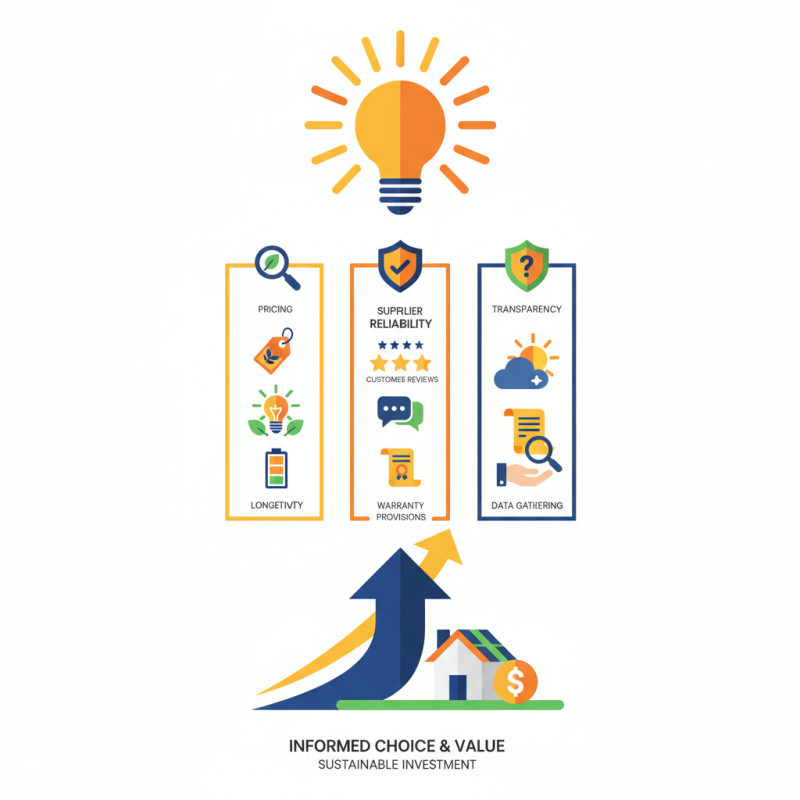
Recent reports highlight that nearly 40% of consumers prioritize energy efficiency and longevity when selecting solar lights. Supplier ratings, customer reviews, and warranty provisions also play significant roles in decision-making. However, one must remain cautious; not all suppliers provide transparent information, leading to potential pitfalls. Gathering comprehensive data is essential for making informed choices without falling prey to misleading marketing tactics.
Ultimately, understanding how to compare different solar light suppliers can help buyers navigate the market effectively. This not only ensures good value but also enhances the sustainability of their energy investments.
Understand Your Solar Lighting Needs and Requirements
Understanding your solar lighting needs is crucial for making informed decisions. Start by assessing your specific requirements. Consider the areas needing illumination, the duration of usage, and the desired brightness levels. According to the National Renewable Energy Laboratory, different environments have unique lighting needs. For instance, a pathway may require less lumens than a large outdoor area.
Next, evaluate the energy efficiency of the options. Look for solar lights that utilize high-efficiency LEDs. The U.S. Department of Energy states that LED technology is at least 80% more efficient than traditional incandescent bulbs. This efficiency translates to lower energy consumption and longer battery life. It’s essential to compare the lumen output and wattage for your preferred models.
Additionally, think about the durability of the products. Outdoor solar lights face harsh weather conditions, so materials like aluminum and high-impact plastics increase longevity. Research indicates that choosing robust products can minimize replacement costs in the long run. Analyzing warranties and customer reviews can offer insights into reliability. Reflecting on these aspects will help ensure you invest in solar lighting that truly meets your needs.
Research Different Types of Solar Lights Available on the Market
When exploring solar lights, it's important to understand the different types available. Solar pathway lights are designed to illuminate walkways and gardens. They are often low to the ground and provide gentle lighting. They enhance safety and aesthetics in outdoor spaces. Solar garden lights come in various styles, from decorative fixtures to simple stake lights. These add a charming ambiance to your landscaping.
Another option is solar flood lights. These are more powerful and can illuminate larger areas. They are suitable for driveways or security purposes. Some solar lights come with sensors, turning on at dusk and off at dawn. This feature can save energy and extend the life of the light.
It's also vital to consider battery types and solar panel efficiency. Some lights may not provide the expected brightness. This can lead to frustration and disappointment. Researching product reviews and customer feedback can offer insights. Understanding features like brightness, battery life, and installation ease can help. Delve deeper into specifications to find the right fit for your needs. Making an informed choice will ensure your outdoor space shines brightly.
2026 Top Tips to Compare Solar Light Suppliers Effectively - Research Different Types of Solar Lights Available on the Market
| Type of Solar Light |
Average Brightness (Lumens) |
Battery Life (Hours) |
Charging Time (Hours) |
Water Resistance Rating |
Price Range (USD) |
| Pathway Lights |
60 |
8 |
6 |
IP65 |
25 - 50 |
| Flood Lights |
120 |
10 |
8 |
IP67 |
50 - 100 |
| String Lights |
40 |
6 |
4 |
IP44 |
20 - 40 |
| Garden Lights |
80 |
12 |
6 |
IP54 |
30 - 70 |
| Wall Lights |
100 |
10 |
8 |
IP65 |
40 - 90 |
Evaluate the Reputation and Reliability of Solar Light Suppliers
When evaluating solar light suppliers, it's crucial to consider their reputation and reliability. Start by researching online reviews and ratings. Look for independent platforms that offer unbiased opinions. A supplier with consistently high ratings likely maintains quality products and services. However, be wary of overly positive reviews. They can be misleading and may not reflect real experiences.
Next, check for certifications and industry memberships. Organizations that adhere to strict standards often produce more reliable products. These certifications indicate a commitment to quality and safety. Additionally, inquire about the supplier's experience in the market. A well-established company with several years in business is likely more dependable than a new entrant.
Communication is key. Reach out with questions about their products. Assess how promptly and thoroughly they respond. This can reveal their level of customer service. It’s a good sign if they provide detailed answers. On the other hand, vague responses may indicate a lack of knowledge or commitment. Ultimately, trust your instincts as well. If something feels off during your research, it’s worth exploring other options.
Compare Pricing Structures and Warranty Options from Suppliers
When evaluating solar light suppliers, understanding pricing structures is crucial. Many suppliers offer tiered pricing based on the quantity purchased. This means that buying in bulk could save a significant amount. However, some suppliers might have hidden fees, such as shipping or installation costs. Be sure to ask for a detailed breakdown of these costs.
Warranty options also play a vital role. Different suppliers provide varying levels of warranty coverage. Some may only cover defects for one year, while others offer extended warranties for five years or more. It’s essential to read the fine print. A longer warranty might seem appealing, but it’s not always indicative of product quality. Consider the supplier's reputation when assessing their warranty.
In the pursuit of the best deal, you must weigh these factors carefully. A low upfront price might turn out to be more expensive in the long run. Therefore, analyzing both pricing and warranty is key to making a well-informed choice. Reflections on past decisions can help guide your choices as well. The goal should be a balance between cost and reliability.
Comparison of Solar Light Suppliers: Pricing and Warranty Options
Analyze Customer Reviews and Feedback on Supplier Performance
When comparing solar light suppliers, customer reviews offer crucial insights. According to the Solar Energy Industry Association, 74% of consumers rely on online reviews before making purchases. These reviews reveal patterns in supplier performance that numbers alone cannot convey.
To analyze feedback effectively, consider both qualitative and quantitative aspects. Look for common themes in reviews. For instance, do multiple customers mention durability or brightness as strengths? This can indicate reliability. Conversely, if many reviews highlight delays in customer service, it’s a red flag.
Tip: Create a simple spreadsheet to track reviews. Note the positives and negatives. This visual representation helps pinpoint which suppliers consistently meet customer expectations.
Furthermore, be mindful of the volume of reviews. A supplier with few reviews might not have enough data for a reliable evaluation. A review with detailed personal experience may hold more weight than a generic positive or negative comment.
Tip: Engage with customer feedback directly. Ask existing users about their experiences. This can uncover insights not shared in online reviews, helping you make more informed decisions.
FAQS
: Start by evaluating the areas that need light, usage duration, and brightness levels.
It's crucial. High-efficiency LEDs consume less energy and last longer.
Look for durable materials like aluminum or high-impact plastics for longevity.
Options include pathway lights, garden lights, and more powerful flood lights.
Not all. Some have sensors to turn on at dusk and off at dawn.
Research lumen output and read product reviews for insights on brightness levels.
Lack of expected brightness due to poor battery types or panel efficiency.
They provide insights into product reliability and overall satisfaction from other users.
It varies. It's best to check installation ease in product descriptions or reviews.
Many forget to compare specifications, which can impact performance and satisfaction.
Conclusion
When considering how to compare different solar light suppliers, it’s crucial to start by understanding your specific solar lighting needs and requirements. This foundational step will guide you in selecting the appropriate types of solar lights available on the market, ensuring they align with your intended use and expectations.
Next, conduct thorough research on various suppliers to evaluate their reputation and reliability. Assessing pricing structures and warranty options provides insight into the value you'd receive. Additionally, analyzing customer reviews and feedback about supplier performance can reveal potential strengths and weaknesses, helping you make a more informed decision. By following these steps, you will be well-equipped to effectively compare solar light suppliers and choose the right one for your needs.
 Midmo Lights
