In the rapidly evolving landscape of solar energy, understanding how sunlight affects the performance of solar lights is crucial. Expert Dr. Emily Roberts, a leading researcher in renewable energy, emphasizes, "The efficiency of solar lights hinges on the quality and duration of sunlight they receive." This highlights the importance of sunlight in optimizing solar technology.
As we look towards 2026, several factors need attention. For instance, geographical location plays a significant role. Areas with consistent sunlight generally yield better solar energy conversion. Additionally, seasonal variations can impact the overall effectiveness of solar lights.
Consider the implications of uneven sunlight distribution. It can hinder performance, leading to reliance on alternative energy sources. This creates a challenge for consumers and manufacturers alike. As we advance in technology, ongoing adaptations are vital. The focus on sustainability must also address these real-world conditions.
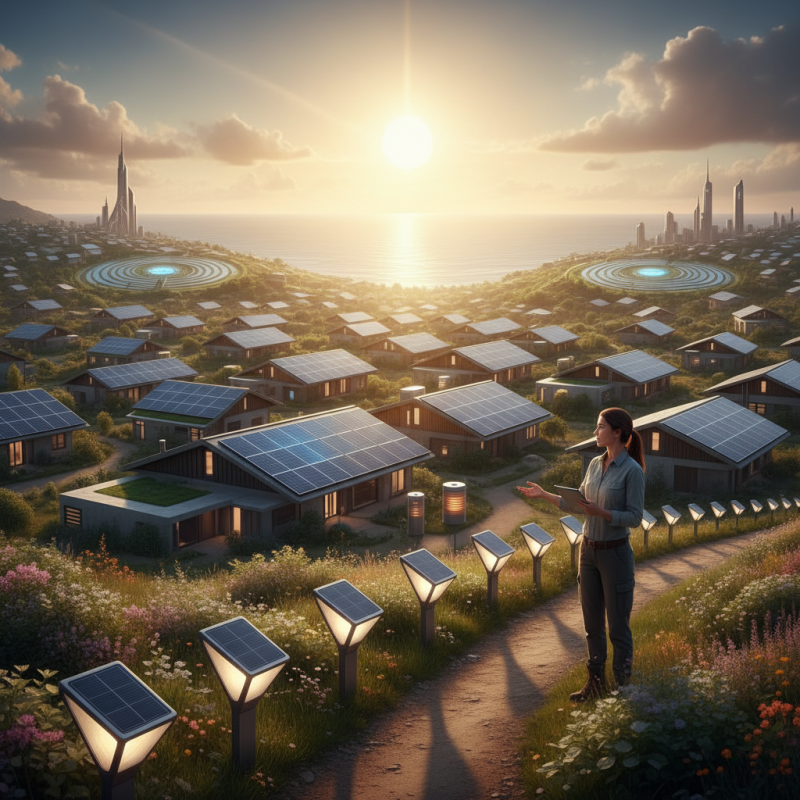
The Role of Solar Irradiance in Photovoltaic Efficiency in 2026
The efficiency of photovoltaic (PV) systems in 2026 heavily relies on
solar irradiance. Solar irradiance refers to the power of sunlight received
per unit area, which directly affects energy production. In regions with high solar irradiance, solar panels
perform optimally. However, factors like seasonal changes can alter this irradiation. Areas that experience
prolonged clouds may see dips in energy yield.
Moreover, technology advancements play a crucial role in harnessing solar
irradiance. Improved materials and design can enhance the absorption of sunlight. Yet, these enhancements
come with their own set of challenges. The manufacturing processes can be resource-intensive, raising concerns about sustainability.
It’s vital to assess whether the gains in efficiency justify the environmental costs.
In addition, user education is often overlooked.
Many consumers may not fully understand how solar irradiance impacts their systems. This gap can lead to
unrealistic expectations regarding energy output. Ultimately, addressing these issues is crucial for the solar
industry’s growth. Practical understanding of solar irradiance paves the way for future innovations and
improvements in solar technology.
Comparative Analysis of Sunlight Intensity and Solar Panel Output
Sunlight plays a crucial role in determining solar light performance. In 2026, the comparative analysis of sunlight intensity and solar panel output reveals interesting trends. Generally, higher sunlight intensity leads to increased energy production in solar panels. However, several factors complicate this relationship. Local weather conditions, geographic location, and seasonal variations all influence solar energy harvesting.
For optimal results, consider the orientation and angle of your solar panels. Panels should be positioned to maximize sun exposure throughout the day. Regular maintenance, including cleaning, also enhances performance. A dirty panel can absorb up to 20% less sunlight.
On cloudy days, solar panel output may drop significantly. This decrease can cause frustration for users. However, many panels can still generate power even during limited sunlight. Understanding your system's capacity can help manage expectations. Utilize a solar energy monitor for real-time performance tracking. This awareness may assist in optimizing your solar energy strategy.
Impact of Seasonal Sunlight Variations on Solar Energy Production
Seasonal variations in sunlight significantly influence solar energy production. A report from the National Renewable Energy Laboratory states that solar output can fluctuate by up to 30% throughout different times of the year. In winter, limited sunlight reduces energy generation. Conversely, longer summer days boost performance, with an increase in energy output of nearly 15% in peak sunlight months.
Cloud cover and atmospheric conditions also play crucial roles. For example, research indicates that locations with frequent cloud cover may experience a 20% decrease in energy efficiency. This variability can lead to inconsistent energy supply, creating challenges for solar system integration into the grid. Monitoring and adapting to these seasonal changes are essential for optimizing performance and investment viability in solar energy technologies.
Solar installations must consider local climate patterns. Some regions may have excellent average annual sunlight but suffer during winter months. Improving energy storage solutions can help mitigate these fluctuations. Energy strategies should be flexible, addressing the inherent variability in solar production. As we move towards 2026, understanding these seasonal dynamics will be vital for maximizing solar energy's potential.
How Does Sunlight Impact Solar Light Performance in 2026?
This chart illustrates the seasonal variations in solar energy production throughout 2026. The data shows the monthly average sunlight hours and their corresponding energy output from solar panels.
Advancements in Solar Technology and their Effects on Light Utilization
As solar technology continues to evolve, the impact of sunlight on solar light performance is increasingly nuanced. In 2026, experts predict a significant increase in the efficiency of photovoltaic cells, with some reports suggesting an efficiency rate of over 25% in optimal conditions. This leap is made possible by advancements in materials science, particularly the development of perovskite solar cells, which provide higher absorption and energy conversion rates.
However, the performance of solar technology remains subject to environmental variables. Shade, dirt, and even the angle of installation can drastically reduce energy output. A study from the National Renewable Energy Laboratory indicates that up to 30% of solar energy potential can be lost due to improper installation or inadequate maintenance. Therefore, continuous monitoring and adapting to local environmental conditions become essential.
While the technology is impressive, its accessibility is still a concern. The mismatch between technological advancements and economic feasibility can create a barrier for widespread adoption. As the solar industry evolves, focusing on sustainable practices and equitable distribution of technology is vital. The roadmap to harnessing sunlight effectively must address both technical and social dimensions.
How Does Sunlight Impact Solar Light Performance in 2026? - Advancements in Solar Technology and their Effects on Light Utilization
| Region |
Average Sunlight Hours (per day) |
Solar Panel Efficiency (%) |
Light Utilization Ratio (%) |
Year-on-Year Growth (%) |
| North America |
5.3 |
22.5 |
85 |
7 |
| Europe |
4.8 |
21.0 |
80 |
6 |
| Asia |
6.1 |
24.0 |
90 |
8 |
| Australia |
7.0 |
25.5 |
92 |
9 |
| South America |
5.5 |
23.0 |
88 |
6 |
Forecasting Solar Energy Trends Based on Sunlight Exposure Data 2026
In 2026, sunlight exposure will significantly influence solar energy performance. Recent data forecasts suggest an increase in solar energy efficiency due to evolving technology and better sunlight capture methods. According to the International Renewable Energy Agency (IRENA), solar energy production could rise by 25% as sunlight harnessing techniques improve.
Tip: Regular maintenance of solar panels is crucial.
Clean panels receive more sunlight, boosting efficiency.
Some regions may face challenges. Variability in sunlight exposure, influenced by
climate change, can lead to unpredictable energy output. Performance metrics must adjust to these environmental shifts. The
National Renewable Energy Laboratory reports that places with consistently high sunlight exposure will see greater reliability in solar energy production. This indicates that geographical data is essential when planning solar investments.
Tip: Consider local weather patterns when installing solar panels. Understanding sunlight variability can enhance long-term performance.
The role of
policy will also shape solar energy trends. Governments are investing in robust infrastructures, encouraging innovation in solar technology. However, as we advance, uncertainties about
climate changes remain a concern. It's clear that we must adapt to these patterns for sustainable energy solutions.
FAQS
: Solar irradiance refers to the power of sunlight received per unit area. It directly impacts energy production.
Seasonal sunshine changes can cause up to 30% fluctuation in solar output. Winter sees reduced energy generation.
Many users lack understanding of solar irradiance. This leads to unrealistic expectations about energy yield.
New materials enhance absorption but can be resource-intensive. This raises sustainability concerns.
Some areas have high annual sunlight but struggle during winter. Climate patterns can affect overall performance.
Regular cleaning of solar panels is essential. Clean panels absorb more sunlight and improve efficiency.
Variability in sunlight due to climate change can lead to unpredictable energy output. Adaptability is key for performance.
Areas with consistent sunlight will see reliable production. Understanding local conditions is crucial for planning.
Government investments encourage solar innovation. However, uncertainties about climate may affect future policies.
Energy strategies must adapt to solar production variability. Flexibility supports better investment viability and performance.
Conclusion
The article "How Does Sunlight Impact Solar Light Performance in 2026?" explores the critical relationship between solar irradiance and photovoltaic efficiency. By analyzing sunlight intensity and its effect on solar panel output, the study reveals that variations in seasonal sunlight significantly influence solar energy production. It further discusses advancements in solar technology that enhance light utilization, thereby improving overall efficiency.
Additionally, the article delves into forecasting future solar energy trends based on sunlight exposure data for 2026. This comprehensive analysis addresses the question, "How does sunlight affect the performance of solar lights?" by emphasizing the importance of understanding solar irradiance and its fluctuations to maximize solar energy harnessing in the coming years.
 Midmo Lights
