What is the Optimal Wattage for Outdoor Solar Lights?

Time:2026-06-10 Author:Oliver
0%

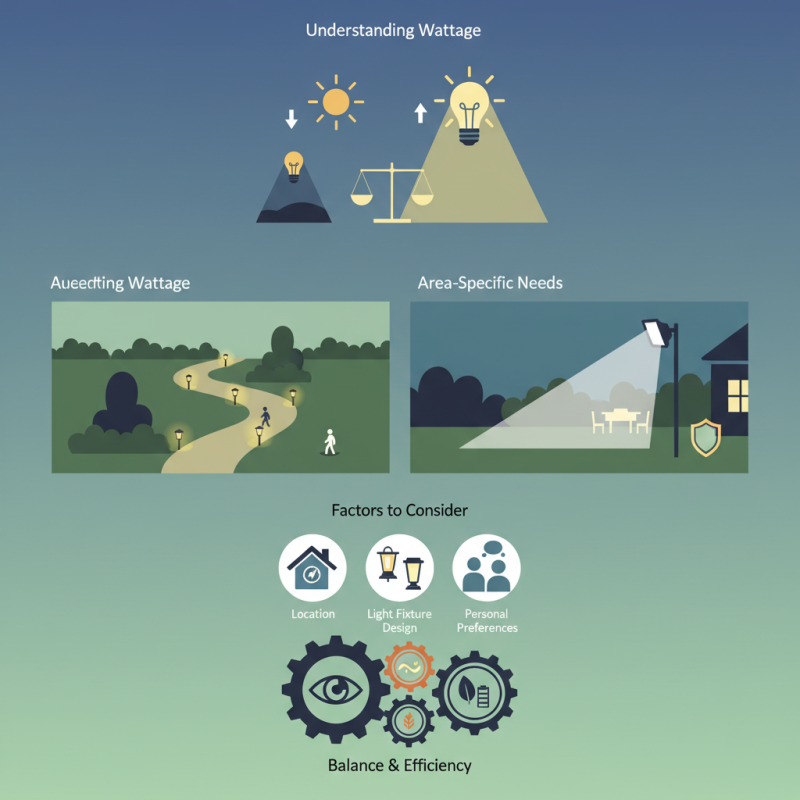
When considering outdoor solar lights, one common question arises: "What is the best wattage for outdoor solar lights?" Selecting the right wattage is crucial for effective lighting. Too low, and areas remain dim. Too high, and energy efficiency diminishes. Understanding wattage helps in optimizing both brightness and utility.

Different areas demand varying levels of illumination. For pathways, lower wattage may suffice. In contrast, larger spaces or security lighting may require higher levels. This complexity urges homeowners to reflect on their specific needs. The ideal wattage often varies based on factors like location, light fixture design, and personal preferences.

Navigating wattage choices can be confusing. Many users rely on trial and error, which can lead to less-than-ideal outcomes. A well-informed decision can enhance outdoor aesthetics and safety. As lighting technology evolves, so does the conversation about wattage. This decision helps balance visibility, ambiance, and efficiency.
What is the Optimal Wattage for Outdoor Solar Lights?

Understanding Solar Light Wattage: A Guide to Outdoor Usage

When selecting outdoor solar lights, understanding wattage is crucial. Solar lights typically range from 0.5 to 50 watts. Lower wattage lights produce subtle illumination, sufficient for path lighting. In contrast, higher wattage options provide brighter light, ideal for larger areas. A study from the Solar Energy Industries Association found that fixtures around 10 watts effectively illuminate garden paths and small patios.

The efficiency of solar lights is influenced by wattage, but battery capacity also plays a significant role. A 15-watt light can perform well if paired with a reliable battery. Some users report that higher wattage doesn't always mean better performance, especially in shaded areas. A unit lacking sunlight exposure may not function optimally.

It’s essential to consider specific needs and environment. A 5-watt fixture may suffice for decorative purposes but will not illuminate a driveway. In contrast, a 20-watt light guarantees better visibility. Understanding your requirements helps in choosing the right wattage. User experiences indicate a common oversight: many underestimate the importance of sunlight exposure and efficiency. Recognizing these factors can greatly enhance your outdoor lighting choices.

Factors Influencing Optimal Wattage for Outdoor Solar Lights

When choosing outdoor solar lights, wattage is a vital consideration. Several factors influence the optimal wattage for your needs. The size of the area you wish to illuminate plays a significant role. Larger spaces require higher wattage to ensure adequate light coverage. For a small garden, lower wattage may suffice. However, a driveway or pathway benefits from more powerful lights.

The brightness level is also important. Measured in lumens, brighter lights often equate to higher wattage. Depending on your preferences, you might want soft, ambient light, or bright, focused illumination. Consider the purpose of the lighting. Are you enhancing safety or creating ambiance? Each goal requires different wattage. Weather conditions can also affect performance. If you live in a cloudier area, opting for a higher wattage can make a difference in efficiency.

Lastly, battery capacity affects wattage. Solar lights convert sunlight to energy for nighttime use. Limited battery capacity may decrease brightness over time. Be prepared for the possibility of needing to replace batteries or adjust your expectations on performance. It’s crucial to find a balance that works for your outdoor spaces, ensuring both functionality and aesthetics.

Comparative Analysis of Solar Light Wattage: Efficiency and Brightness

When comparing outdoor solar lights, wattage plays a crucial role in determining efficiency and brightness. Typically, solar lights range from 2 watts to 18 watts. Higher wattage generally means brighter light. According to industry reports, lights with 10-12 watts offer substantial illumination for pathways and gardens. For larger areas, 15-18 watts are often recommended. However, it's essential to assess specific needs before choosing wattage, as higher is not always better.

Brightness, measured in lumens, varies based on wattage. A 10-watt solar light can produce around 800 lumens. Yet, a 15-watt option might deliver 1200 lumens. Therefore, it’s vital to balance wattage with your lighting goals. Too much brightness can lead to light pollution or disturb neighbors. Conversely, insufficient wattage may leave spaces poorly lit.

Many users struggle with these choices. They often prioritize appearance over functionality. Some solar lights may look appealing but fall short in performance. Reports indicate that up to 30% of consumers are disappointed with ineffective lighting. It’s crucial to research thoroughly, focusing on lumen output relative to wattage. This understanding helps ensure you achieve the desired ambiance while maximizing energy efficiency.

Recommended Wattage Ranges for Various Outdoor Settings and Needs

When choosing wattage for outdoor solar lights, several factors come into play. According to the Solar Energy Industries Association (SEIA), the recommended wattage for garden lights ranges from 5 to 10 watts. This level provides sufficient illumination without energy wastage. For pathways and driveways, higher wattage is advised—typically between 10 to 15 watts. This ensures safer navigation in low-light conditions.

Brightness is not the only consideration. Ambient light and specific needs also matter. For instance, security lights often require a higher output, around 15 to 30 watts, to deter intruders effectively. However, too much light can create glare. Striking a balance is essential.

Tips: Consider placement to avoid excess brightness affecting neighbors. Also, assess your specific needs based on the area’s usage and safety concerns. It's worth noting that sometimes, a lower wattage light in the right location can provide better illumination than a high-wattage fixture placed poorly. Experiment with different options to find the best fit for your outdoor spaces.

Impact of Climate and Sunlight Exposure on Solar Light Performance

When choosing outdoor solar lights, climate and sunlight exposure play crucial roles. Areas with abundant sunlight enhance the performance of solar lights. Sunlight directly impacts battery charging, allowing lights to shine brighter and longer. For instance, a sun-drenched environment can fully charge lights in just a few hours. In contrast, cloudy regions might result in dimmer performance.

Humidity and temperature also affect solar panel efficiency. High humidity can decrease light output, limiting effective usage. Extremely cold temperatures can slow down the chemical reaction in batteries, reducing performance time. Therefore, regional climate considerations are essential when selecting the wattage for solar lights.

Understanding your area’s unique environmental factors can help you choose the right wattage. Optimal wattage varies from one locale to another, depending on sunlight availability. For example, a sunny desert area may need less wattage than a shaded woodland. Potential users need to reflect on their specific settings and adjust wattage accordingly. This thoughtful approach can significantly enhance the effectiveness of outdoor solar lights.

What is the Optimal Wattage for Outdoor Solar Lights? - Impact of Climate and Sunlight Exposure on Solar Light Performance

Location Average Daily Sunlight (Hours) Recommended Wattage (Watts) Impact of Climate Expected Performance (Lumens)
Desert Region 10 15 High Efficiency 1000
Tropical Region 7 12 Moderate Humidity 800
Northern Region 5 10 Cold Climate Impact 600
Temperate Region 8 14 Balanced Conditions 900

FAQS

: What is the typical wattage range for outdoor solar lights?

: Outdoor solar lights usually range from 2 watts to 18 watts. Higher wattage means brighter light.

How do I determine the right wattage for my outdoor space?

Assess your lighting goals and specific needs before choosing wattage. Higher is not always better for every situation.

What brightness can I expect from a 10-watt solar light?

A 10-watt solar light typically produces around 800 lumens, ensuring adequate illumination for smaller areas.

Are there disadvantages to using high-wattage solar lights?

Yes, too much brightness can cause light pollution or disturb neighbors. Balance is crucial for a pleasant environment.

How does climate impact solar light performance?

Climate plays a significant role; areas with abundant sunlight allow for better charging and brighter lights.

What wattage is recommended for garden lights?

For garden lights, the ideal wattage ranges from 5 to 10 watts to provide good illumination without wasting energy.

What should I consider for security lighting?

Security lights usually need higher wattage, typically between 15 to 30 watts, to effectively deter intruders without creating glare.

Can inadequate sunlight exposure affect solar light performance?

Yes, cloudy regions may lead to dimmer performance due to reduced battery charging potential.

Is it better to have lower wattage lights in the right location?

Sometimes, yes. A lower wattage light placed well can outshine a high-wattage fixture in a poor location.

What should I reflect on before choosing solar lights?

Consider your area’s unique environmental factors like sunlight availability and regional climate to select appropriate wattage.

Conclusion

The article "What is the Optimal Wattage for Outdoor Solar Lights?" explores the essential aspects of selecting the right wattage for outdoor solar lighting. It begins by explaining the significance of wattage in solar lights and how it directly correlates with outdoor usage. Factors such as the purpose of the lighting, the size of the area, and specific environmental conditions are discussed to help determine what is the best wattage for outdoor solar lights.

Additionally, the piece provides a comparative analysis of different wattages, examining their efficiency and brightness levels. It also offers recommended wattage ranges tailored for various outdoor settings, ensuring that users can find the ideal balance between illumination and energy consumption. Furthermore, the article highlights the impact of climate and sunlight exposure on solar light performance, emphasizing the need to consider these variables when selecting outdoor solar lights.

Oliver

Oliver

Oliver is a seasoned marketing professional with a wealth of expertise in driving brand awareness and engagement. With a deep understanding of our company's product offerings, he consistently delivers high-quality content that enriches our professional blog. His insights not only shed light on......