China Top Solar Lights How to Prevent Battery Aging?

Time:2026-10-21 Author:Madeline
0%

Solar lights promise simple, low-cost illumination, yet their batteries quietly determine long-term performance. In China’s solar lighting market, users often notice shorter nighttime operation before they see visible battery damage. The problem may begin with heat, overcharging, deep discharge, moisture, or an unsuitable battery chemistry.

How to prevent solar light batteries from aging requires more than replacing cells regularly. It requires matching the battery, panel, controller, and operating environment. Jeff Dahn, a respected lithium-ion battery researcher, has repeatedly emphasized, “Temperature is the enemy of battery life.” His statement applies strongly to solar lights installed on dark roofs, metal fences, and sun-heated walls.

Small details matter. A battery exposed inside a sealed black housing can become surprisingly hot at noon. That heat accelerates chemical wear. A reliable design should include charge control, suitable voltage limits, and protection against excessive discharge. Lithium batteries need carefully matched protection circuits. Nickel-metal hydride batteries require different charging treatment.

Clean the panel regularly. Dust reduces charging energy and forces the battery to work harder overnight. Check whether surrounding trees create afternoon shade. Also inspect water seals after heavy rain. Moisture can corrode contacts and increase resistance.

There is no perfect formula. Some low-priced lights still use weak cells or poorly calibrated controllers. Buyers should request battery specifications, cycle-life data, and operating-temperature information. These records do not guarantee quality, but they reveal whether the supplier understands the product.

The practical goal is modest: reduce stress, control heat, and avoid unnecessary deep cycles. That approach may not stop aging completely. It can slow the decline and preserve useful lighting for much longer.
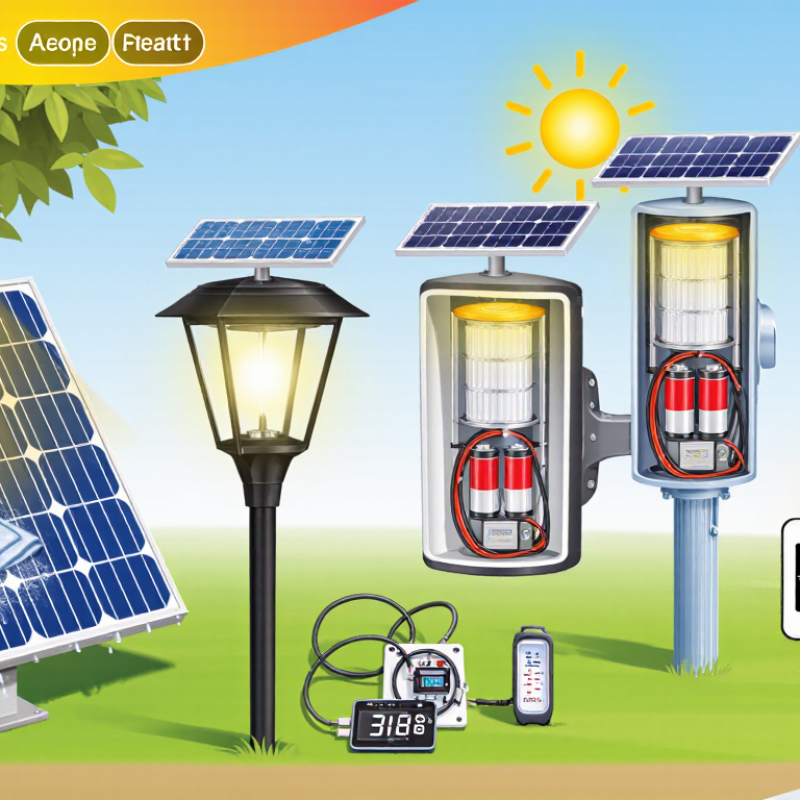
China Top Solar Lights How to Prevent Battery Aging?

Solar Light Battery Aging: Causes and Warning Signs

Solar light battery aging often begins quietly. A lamp may still turn on, yet its brightness fades after a few hours. Heat is a major cause, especially when the battery sits inside a dark, sealed housing. Repeated overcharging, deep discharging, moisture, and long storage can also reduce capacity. Rechargeable batteries naturally lose performance with age. They do not remain new forever.

Watch for clear warning signs. The light may become dim, flicker, or switch off soon after sunset. Some units charge slowly or fail after several cloudy days. Corrosion near the battery compartment suggests moisture damage. A swollen battery, unusual smell, leakage, or excessive heat requires immediate attention. Stop using the light then. Do not puncture or open the battery. Follow local recycling guidance.

A weak lamp does not always mean battery failure. Dust, shade, a damaged solar panel, or a faulty sensor can create similar symptoms. Clean the panel and compare runtime for two or three sunny days. Use the same position each time. If performance remains poor, measure the battery with suitable equipment or ask a qualified technician. One practical mistake is replacing the battery too quickly. I have seen shaded panels blamed on aging batteries. Careful checking prevents wasted parts and improves safety.

Choosing Battery-Safe Components for Chinese Solar Lights

For solar lights sourced from China, battery aging often begins with component mismatch, not the panel. Choose the cell chemistry and controller together. Lithium iron phosphate tolerates repeated cycling and heat better than many conventional lithium-ion chemistries. It still needs protection. Select cells and packs assessed against IEC 62620 and IEC 62133-2 requirements.

NREL’s 2024 Annual Technology Baseline uses roughly 15 years for some utility-scale lithium-ion storage assumptions. That is not a promise for a small lamp. A sealed outdoor enclosure can still make a major difference.

Specify overcharge, over-discharge, short-circuit, and over-temperature cutoffs. Add low-temperature charging lockout. Lithium cells should not charge when frozen.

In field checks, inspect connector resistance after several rainy weeks. Small voltage drops create heat. Use a conservative charging profile, a replaceable fuse, and wires sized for peak current. Keep the battery shaded from LED and charging heat.

IEC 60529 IP65 resists dust and water jets, but it does not prove condensation safety. The International Energy Agency reported a 130% rise in battery-storage additions during 2023. Faster deployment makes traceable test records essential.

Ask suppliers for cycle data, temperature conditions, retention curves, and incoming inspection samples.

One weakness remains: laboratory cycle figures often hide cutoff limits. That number deserves questioning.

Optimizing Charging and Discharging Conditions

Solar lights can lose capacity when their batteries face repeated heat, deep discharge, or incomplete charging. Optimizing charging and discharging conditions is more effective than replacing cells too early. Keep the panel clean and place it where direct sunlight reaches the surface for several hours. Shade from trees or walls can leave the battery undercharged each day. A clear panel matters.

Use the correct battery chemistry and charging controller for the light. Mixing battery types can create unsafe charging behavior and poor performance. Avoid installing the light where daytime temperatures become extreme. Heat speeds up chemical aging, especially inside dark plastic housings. During cloudy seasons, reduce unnecessary operating time when the control system allows it. The battery needs recovery time.

Tips: Clean the panel monthly with a soft, damp cloth. Check terminals for white residue or looseness. Do not wait for the lamp to become very dim every night. A shallow discharge is usually gentler than a complete drain. Store removable batteries partly charged in a cool, dry place. Follow the stated charging limits.

I once assumed longer sunlight always meant better charging. That was incomplete. A faulty controller can overcharge a battery despite strong sunlight. Measure nighttime voltage and charging current when performance drops. If readings change sharply, inspect wiring, seals, and the controller before blaming the battery. Small maintenance records can reveal aging patterns that casual checks miss.

China Top Solar Lights How to Prevent Battery Aging? - Optimizing Charging and Discharging Conditions

Battery-Aging Factor Recommended Operating Condition Why It Matters Practical Solar-Light Action
Charging Voltage Use a charge controller matched to the battery chemistry. Typical full-charge targets are about 4.20 V per cell for standard lithium-ion, 3.65 V per cell for LiFePO4, and approximately 1.45 V per cell for NiMH under controlled charging. Overvoltage accelerates heat generation, electrolyte degradation, gas formation, and capacity loss. Set the controller according to the cell datasheet and include overcharge protection rather than connecting the panel directly to the battery.
Charging Temperature For most rechargeable lithium batteries, charge within approximately 0–45°C. Avoid charging frozen cells or cells above the specified upper temperature limit. Charging at low temperatures can cause lithium plating, while high temperatures speed up chemical aging. Place the battery away from enclosed hot spaces and reduce or stop charging when temperature limits are exceeded.
Depth of Discharge For longer lithium-battery life, design normal operation around a moderate depth of discharge, commonly about 20–80% of rated capacity when practical. Repeated deep discharges increase mechanical and chemical stress and reduce the number of available cycles. Use a low-voltage cutoff and select a battery with enough capacity to prevent nightly discharge to an extreme level.
Overnight Cutoff Voltage Set the cutoff according to chemistry and cell count. A common single-cell lithium-ion protection range is approximately 2.5–3.0 V, but the cell manufacturer’s limit must take priority. Excessive discharge can cause copper dissolution, internal damage, and permanent loss of capacity. Use a protection circuit that disconnects the LED load before the cell reaches an unsafe voltage.
High State of Charge Avoid keeping lithium batteries at 100% state of charge for long periods when maximum service life is the priority. High voltage and high state of charge increase oxidation and calendar aging, especially in warm conditions. Use intelligent charging or a suitable charge ceiling when the light will remain unused for extended periods.
Charge Current Keep the charging current within the battery datasheet limit. A conservative design commonly uses a lower current than the cell’s maximum rated charge current. Excessive current raises internal temperature and polarization, which can accelerate degradation. Size the solar panel and controller together so that strong sunlight cannot force an uncontrolled charging current.
Storage Condition For lithium batteries stored for several months, a moderate state of charge of roughly 40–60% and a cool, dry environment are generally preferable. High temperature and full charge during storage increase calendar aging and self-discharge-related damage. Turn off the light during long-term storage, protect it from direct heat, and check the battery periodically.
Daily Operating Temperature Many lithium cells operate around −20–60°C for discharge, but usable capacity and life decrease at temperature extremes. Cold reduces available capacity, while heat accelerates side reactions and increases internal resistance over time. Provide ventilation, avoid dark housings that become excessively hot, and derate the battery in severe climates.
Partial-Shading Recovery Allow adequate charging time after cloudy days instead of forcing a rapid recharge beyond the rated current. Repeated energy deficits cause deeper discharge and may leave the battery at a low state of charge for extended periods. Reduce LED brightness temporarily, improve panel orientation, and provide sufficient battery capacity for local sunlight conditions.
Protection and Balancing Use overcharge, over-discharge, short-circuit, and temperature protection. Multi-cell packs should include cell balancing where required. Protection prevents abnormal electrical conditions that can permanently damage cells or create safety hazards. Select a controller designed for the exact battery chemistry, cell count, panel voltage, and LED load.

Note: The values above are general engineering guidelines for rechargeable solar-light batteries. The battery and charge-controller datasheets always take priority, especially for charging voltage, temperature limits, current limits, and cutoff settings.

Protecting Batteries from Heat, Moisture, and Freezing

China Top Solar Lights: How to Prevent Battery Aging?

Outdoor solar lights face three quiet threats: heat, moisture, and freezing. High temperatures speed chemical reactions inside batteries. The U.S. Department of Energy’s Energy Storage Grand Challenge Roadmap identifies thermal control as a key factor in battery life. NREL testing also uses 25°C as a common reference condition. A battery exposed to a dark, metal housing may become much hotter than the surrounding air. This difference matters. In summer, place lights where airflow can reach the battery compartment. Avoid sealed black boxes under direct afternoon sun.

Moisture creates another problem. Condensation can corrode terminals, damage circuit boards, and increase electrical resistance. IEC 60529 testing principles remind designers to match enclosures with real water exposure. An IP rating alone does not prevent aging if seals crack. In winter, freezing temperatures reduce available capacity and make charging less effective. Remove weak batteries before extended freezing periods, when practical. I have found that many outdoor failures begin with one overlooked gasket.

Tips: Keep the panel clean. Use a ventilated battery compartment. Check seals after storms. Do not charge a frozen battery. Store replacement batteries in a dry, moderate room. For lithium-based cells, follow the supplier’s temperature limits carefully. Small solar lights are often treated as maintenance-free, but that assumption is imperfect. A five-minute inspection each season can reveal corrosion, loose covers, or trapped water before serious damage develops.

China Top Solar Lights: How to Prevent Battery Aging

Battery aging is accelerated by high temperatures, moisture, and charging below 0°C. Keep solar-light batteries dry, store them around 15–25°C when possible, provide ventilation, and avoid charging frozen batteries. The chart uses a normalized environmental stress index from 0 (low) to 4 (critical), based on widely accepted lithium-ion battery protection guidance rather than data from any specific brand.

Maintenance Practices That Extend Battery Service Life

China Top Solar Lights: How to Prevent Battery Aging?

Maintenance practices strongly influence solar light battery life. The International Energy Agency’s Global EV Outlook 2024 notes that many lithium-ion battery warranties target eight years or 160,000 kilometers. Outdoor solar lights operate differently, but this benchmark highlights the value of controlled charging and moderate temperatures. Keep the battery compartment shaded, dry, and ventilated. Heat accelerates chemical aging. A dark metal housing can become surprisingly hot.

Clean the solar panel every two to three months. Dust reduces charging current and leaves the battery undercharged at night. Use a soft cloth and clean water; abrasive tools may scratch the surface. Check wiring and terminals during the same inspection. White corrosion, loose springs, or cracked seals deserve prompt attention. The U.S. Department of Energy’s Energy Storage Grand Challenge identifies temperature and state-of-charge control as major factors in battery longevity.

Avoid leaving rechargeable cells completely empty for weeks. If the light is stored, recharge the battery every two or three months, following its technical instructions. Replace cells with the same chemistry, voltage, and size. Mixing old and new cells is tempting, but unreliable. I have seen lights brighten briefly after replacement, then fail because moisture entered through a damaged gasket. Maintenance is not perfect. Record replacement dates, nighttime runtime, and weather exposure. Those simple notes reveal whether poor lighting comes from battery aging, shading, or a failing panel.

FAQS

What battery chemistry suits outdoor solar lights?

Lithium iron phosphate handles repeated cycling and heat relatively well. It still needs proper protection. Confirm tested cells and packs against relevant safety requirements.

Which protection features should the battery pack include?

Specify overcharge, over-discharge, short-circuit, and over-temperature cutoffs. Add charging lockout below the supplier’s minimum temperature. Frozen cells should not be charged.

How can heat shorten battery life?

High temperatures accelerate internal chemical reactions. A dark metal housing can become much hotter than surrounding air. Keep the battery shaded, ventilated, and away from LED heat.

Does an outdoor enclosure prevent moisture damage?

Not completely. A water-resistant rating helps against dust and water jets, but condensation can still corrode terminals. Check gaskets after storms.

How should the solar panel be maintained?

Clean it every two or three months. Use a soft cloth and clean water. Dust lowers charging current, leaving the battery undercharged at night.

What signs suggest battery or wiring problems?

Look for white corrosion, loose springs, cracked seals, and warm connectors. Small voltage drops can create heat. I sometimes overlook connector resistance after rainy weeks.

How should replacement batteries be selected?

Match the original chemistry, voltage, and physical size. Do not mix old and new cells. A bright lamp may still fail later if moisture entered the compartment.

How can stored batteries avoid premature aging?

Do not leave rechargeable cells completely empty for weeks. Recharge stored batteries every two or three months, following technical instructions. Keep replacements dry and moderately cool.

What records help explain poor nighttime performance?

Record replacement dates, runtime, shading, and weather exposure. These notes can separate battery aging from panel problems. The diagnosis may still be imperfect.

Conclusion

Solar light battery aging is often caused by excessive heat, deep discharge, overcharging, moisture, freezing temperatures, and poor-quality components. This article explains how to identify warning signs such as shorter lighting time, slow charging, swelling, leakage, or unstable performance. It also highlights the importance of selecting battery-safe controllers, efficient solar panels, suitable battery capacity, and reliable protection circuits for Chinese solar lights.

How to prevent solar light batteries from aging depends on maintaining balanced charging and discharging conditions. Avoid placing lights where batteries are exposed to prolonged heat or standing water, and provide protection against humidity and freezing weather. Regularly clean the solar panel, inspect wiring and battery compartments, remove corrosion, and replace damaged parts promptly. With proper component selection, suitable installation, and consistent maintenance, solar light batteries can operate more safely, retain capacity longer, and deliver stable illumination throughout their service life.

Madeline

Madeline

Madeline is a dedicated marketing professional with a wealth of expertise in our company's core offerings. With a keen understanding of the industry, she brings a unique perspective to her role, consistently delivering high-quality content that highlights the superior aspects of our products. As......