 Midmo Lights
Top 10 Ways Temperature Affects Solar Light Performance?
A solar light may shine brightly on a mild evening, then fade after a freezing night or a week of intense summer heat. The change is not always caused by sunlight alone. Temperature can influence the panel, rechargeable battery, control electronics, and LED, and each component may respond differently. How does temperature affect solar light performance? The answer depends on the light’s design, battery chemistry, exposure, and operating conditions. Cold can reduce a battery’s available output, while heat may speed up battery aging over time. Solar panels can also behave differently as they warm, so hotter weather does not automatically mean more charging. Small differences matter.
This guide explores ten practical ways temperature affects solar light performance, from nighttime brightness and run time to charging consistency and long-term reliability. It also explains why two similar lights may act differently on the same patio. One might sit in direct afternoon sun; another may be shaded by a fence or installed near warm paving stones. It is easy to blame the weather and miss a loose connection, dirty panel, or aging battery. That happens. The goal is to separate temperature-related changes from everyday maintenance issues, without promising that one fix suits every product. Check the manufacturer’s operating range, observe performance across several nights, and treat unusual results as clues, not proof. A simple log of temperature, sunlight, and run time can reveal patterns that a quick glance misses.
How Temperature Affects the Main Components of a Solar Light
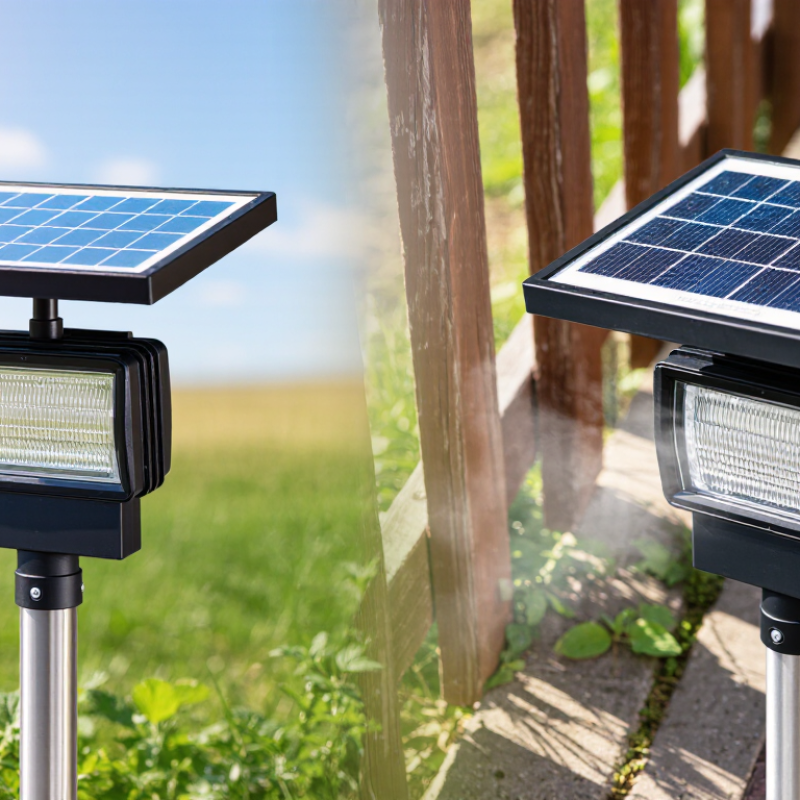
A solar light is a small system, and heat or cold can affect each part differently. On a sunny summer afternoon, a dark panel may become much hotter than the surrounding air. Its voltage typically falls as its temperature rises, so strong sunshine does not always mean peak electrical output. Cold panels can produce higher voltage, but short winter days may still limit the energy collected. The battery matters just as much. Cold can reduce the energy it delivers, while prolonged heat can speed up battery aging. Charging limits vary by battery type, so check the unit’s specifications rather than assuming one rule fits every light. Small details count.
The charge controller manages power between the panel and battery. Excessive heat may cause some controllers to reduce charging or protect themselves, especially inside a poorly ventilated housing. The LED also responds to temperature. A hot LED junction can lose brightness and age faster; in some designs, the driver dims the light to control heat. That dimming may look like a weak battery, though the cause is different. Keep the panel clear of avoidable shade, and place the light where its housing can release heat. A quick comparison on two similar nights can help, but it is not a perfect test: cloud cover, battery age, and mounting angle all affect the result.
Top 10 Ways Temperature Affects Solar Light Performance? - How Temperature Affects the Main Components of a Solar Light
| # | Component | Temperature effect | Impact on solar light performance | Practical consideration |
|---|---|---|---|---|
| 1 | Solar cells | As cell temperature rises, photovoltaic voltage and power generally decrease. Many crystalline-silicon modules have a maximum-power temperature coefficient around −0.3% to −0.5% per °C relative to their 25°C reference. | A hot panel may produce less power than the same panel in cooler conditions, even under similar sunlight. | Allow airflow around the panel and avoid mounting it directly against heat-trapping surfaces where possible. |
| 2 | Solar cells in cold weather | Lower cell temperatures generally increase photovoltaic voltage, although available sunlight and panel orientation still strongly affect total energy production. | Cold weather does not automatically mean lower panel output; a cold, sunny day can support good electrical performance. | Check the panel and controller voltage limits, especially in locations with very low winter temperatures. |
| 3 | Lithium-ion battery | Low temperatures increase internal resistance and reduce the amount of energy the battery can deliver temporarily. Charging below the cell maker’s permitted temperature range can cause damage, including lithium plating. | The light may run for fewer hours in cold weather, and charging may be restricted or unsafe if the battery is too cold. | Follow the battery specifications; many lithium-ion cells require charging above 0°C unless designed with protection or heating for colder use. |
| 4 | Lead-acid battery | Cold temperatures reduce available capacity, while prolonged high temperatures accelerate corrosion and aging. | Runtime can fall during cold periods, while repeated overheating can shorten the battery’s service life. | Use temperature-appropriate charging settings and keep the battery within its specified operating range. |
| 5 | Battery charging process | Battery voltage and safe charging requirements vary with temperature and battery chemistry. Some charge controllers compensate for temperature; others rely on battery protection circuitry. | In unsuitable conditions, charging may be reduced, interrupted, or less effective, leaving less stored energy for nighttime use. | Use a controller compatible with the battery type and its temperature requirements. |
| 6 | LEDs | LED junction temperature rises when heat cannot escape. Higher junction temperatures can reduce light output and accelerate lumen depreciation. | A poorly cooled LED may become dimmer over time and may not achieve its expected service life. | Provide an effective thermal path from the LED board to the fixture housing, and keep heat sinks clear of obstructions. |
| 7 | LED driver and electronic components | High operating temperatures can increase stress on driver components. Electrolytic capacitors, when used, typically age faster at higher temperatures. | Excess heat can contribute to unstable operation or premature failure of the light’s electronics. | Choose a driver rated for the fixture’s expected temperature range and avoid enclosing it in a space that traps heat. |
| 8 | Charge controller | Controller electronics are affected by ambient and internal temperature. Some controllers reduce current or shut down if they exceed their thermal limits. | Protective temperature limiting can reduce charging or lighting availability during extreme heat. | Install the controller in a ventilated location and observe its specified ambient-temperature limits. |
| 9 | Wiring and electrical connections | Repeated heating and cooling cause materials to expand and contract. High temperatures can also increase electrical resistance in conductors. | Over time, thermal cycling or excess heat at a poor connection can contribute to voltage drop or unreliable operation. | Use correctly sized, weather-rated wiring and secure connections suitable for outdoor temperature changes. |
| 10 | Enclosure, seals, and optical parts | Temperature changes can stress plastics, seals, and adhesives through expansion and contraction. Material limits and resistance vary by design. | Extreme or repeated temperature cycles may contribute to cracking, seal degradation, or moisture ingress, which can affect electrical and optical performance. | Use outdoor-rated materials and inspect the enclosure and seals for damage as part of routine maintenance. |
Note: Effects and operating limits vary by panel, battery chemistry, controller, LED, and fixture design. Consult component specifications for exact temperature ranges and ratings.
FAQS
A dark panel can become much hotter than the air. As panel temperature rises, its voltage typically falls.
No. Cold panels can produce higher voltage, but short winter days may limit collected energy. It depends.
Cold slows battery reactions, reducing the energy available at once. A small battery may dim or shut off early.
Not necessarily. Available capacity can shrink until the battery warms. Still, repeated cold-weather results can be hard to interpret.
Yes. A hot LED may lose brightness, and some drivers dim it to control heat. The battery may not be the cause.
Excessive heat may trigger protective behavior, especially inside a poorly ventilated housing. Check the light’s specifications.
Record the temperature, direct sunlight, and operating hours across several similar nights. One night is a weak test.
Clear snow and avoid preventable shade. Place the housing where heat can escape, and follow its charging limits. Small details matter.
Conclusion
How does temperature affect solar light performance? Temperature influences every major component, from the panel that collects sunlight to the battery, LED, and control electronics. In hot conditions, solar panels may become less efficient, reducing the energy available for charging even when sunlight is strong. Heat can also affect battery life and electronic components. Cold weather presents a different challenge: batteries generally hold and deliver less usable energy, which can shorten a light’s operating time. LED brightness may also vary with temperature, while control circuits can respond differently under extreme conditions.
Daily and seasonal temperature shifts combine with changing daylight hours to shape overall performance. A solar light may charge and run differently on a warm summer day than on a cold winter night. Understanding these effects helps explain changes in brightness, charging speed, and runtime throughout the year. For more consistent operation, consider the light’s placement, exposure to sunlight, and the temperature range in which it is designed to work.
