How to Determine What Factors Affect the Brightness of Solar Lights?

Time:2026-07-08 Author:Isabella
0%

The brightness of solar lights is influenced by several critical factors. According to Dr. Jane Thompson, an expert in solar energy systems, "Understanding what factors affect the brightness of solar lights is essential for optimal performance." The efficiency and effectiveness of solar lights rely heavily on these factors.

Solar panels, battery capacity, and LED quality are key elements in determining brightness. Higher quality solar panels convert more sunlight into energy. The battery needs to store this energy efficiently. A robust battery affects how long the lights remain bright throughout the night. Furthermore, LED quality determines light output and longevity.

Various factors interplay with environmental conditions. For example, less sunlight reduces energy production. City pollution or nearby obstructions can block sunlight. This variability makes it challenging to predict performance consistently. Acknowledging these aspects can help users select the right solar option for their needs.
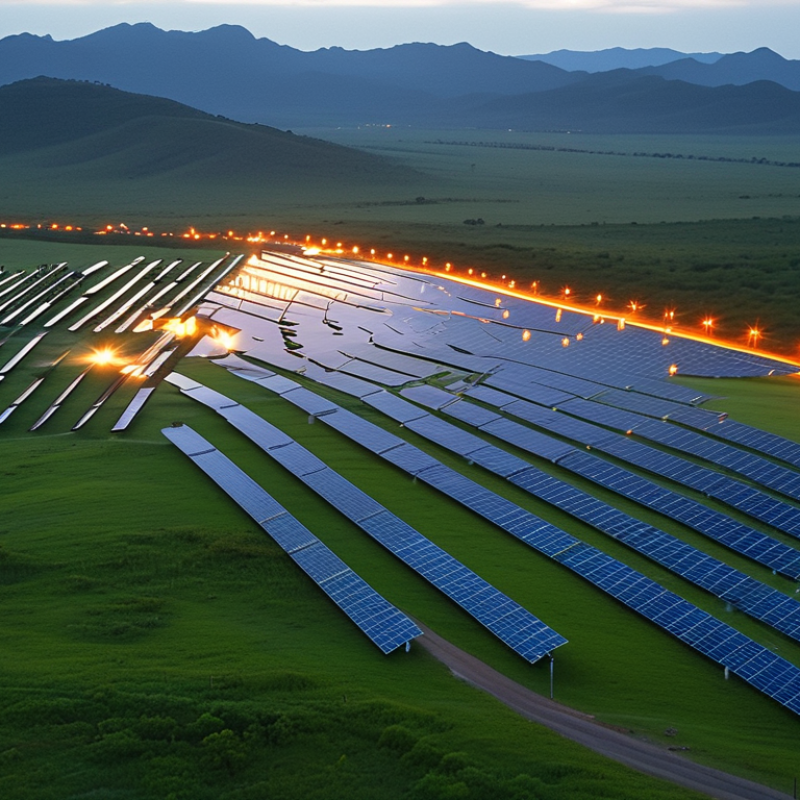
How to Determine What Factors Affect the Brightness of Solar Lights?

Factors Influencing Solar Light Brightness

When evaluating the brightness of solar lights, several key factors come into play. The light source type is crucial. LED lights are common due to their energy efficiency and long lifespan. A report from the National Renewable Energy Laboratory indicates that LED lights can be up to 90% more efficient than traditional bulbs. This efficiency directly impacts brightness.

Another important factor is the solar panel's quality. A report from the International Energy Agency highlights that high-quality panels can convert sunlight into electricity more effectively. Poor-quality panels may not produce enough energy, reducing overall brightness. The battery capacity also matters. If the batteries cannot store enough energy, the brightness will diminish after a few hours of use.

Environmental conditions further influence solar light brightness. Dust accumulation on solar panels can block sunlight. A study from the University of California revealed that even minimal dust can reduce energy output by 30%. It's essential to regularly clean the panels to maintain optimal brightness. Clouds or pollution can also limit sunlight availability, affecting how bright the lights can be at night.

Understanding Solar Panel Efficiency

When considering solar lights, efficiency of the solar panel is crucial. Solar panels convert sunlight into electricity. The amount of sunlight received significantly impacts the overall brightness of solar lights. Factors such as panel size, materials, and technology play a role in this process.

Higher efficiency panels can convert more sunlight into energy. This usually means brighter lights for a longer duration. However, not all panels are created equal. Some may struggle in low-light conditions or during cloudy days. It's important to assess how these panels perform under various circumstances.

Additionally, the angle of the solar panel affects its effectiveness. Panels facing direct sunlight will gather more energy. Improper placement can lead to underperformance. Regular maintenance can help optimize efficiency, but that’s often overlooked by users. Furthermore, ensuring the panels are clean can also boost performance.

Understanding these facets can greatly enhance the functionality of solar lighting systems.

Battery Capacity and Its Impact on Brightness

The brightness of solar lights is closely linked to battery capacity. A larger battery can store more energy. When fully charged, it provides consistent illumination. When the battery capacity is low, the brightness diminishes significantly. This results in a shorter operating time and reduced light intensity. Understanding this relationship is key for solar light users.

Tips for optimizing battery performance include ensuring they are fully charged during sunny days. Aim for locations with maximum sunlight exposure. Regularly check for dirt or debris on solar panels that can hinder energy absorption. Keep an eye on the battery's age. Older batteries may not hold a charge effectively, impacting brightness and performance.

Moreover, users should consider the light output of different bulbs. LED bulbs are more efficient and provide brighter light for longer periods. If lights frequently dim before the night is over, it may be time for a battery replacement. Always choose batteries that match the specifications of your solar lights. Proper maintenance and understanding of battery capacity can significantly affect the brightness of your solar lighting.

The Role of LED Technology in Solar Lights

LED technology plays a crucial role in the brightness of solar lights. Unlike traditional bulbs, LEDs convert more energy into light. This efficiency results in brighter illumination with less power consumption. Additionally, LEDs have a longer lifespan, reducing the frequency of replacements. This also contributes to sustainability, making them a popular choice in solar lighting.

When choosing solar lights, consider the wattage of the LED bulbs. A higher wattage typically means more brightness. However, not all LED lights are created equal. Some may have lower lumens but offer better light quality. It’s essential to balance brightness with quality for optimal performance.

Tips: Look for solar lights with adjustable settings. This allows you to control brightness based on your needs. Also, check for solar panels that charge efficiently. The location and angle of panels significantly affect their ability to gather solar energy. Optimize their placement for maximum exposure to sunlight.

Environmental Conditions Affecting Solar Light Performance

Solar lights are increasingly popular for outdoor spaces due to their eco-friendliness. However, their brightness can vary significantly based on environmental conditions. Sunlight is the primary energy source for these lights. The amount of sunlight received during the day directly impacts their performance at night. Cloudy days or shorter daylight hours will result in dimmer lights.

Temperature also plays a crucial role. Solar lights perform optimally in moderate temperatures. Extreme cold or heat can reduce battery efficiency. In colder temperatures, batteries may struggle to hold a charge. On the other hand, high temperatures can lead to quicker degradation of battery life.

Tips: Ensure your solar lights are installed in an area with maximum sun exposure. Trim surrounding foliage that may block sunlight. Regularly clean the solar panels to remove dirt and debris. This will enhance their performance. Ultimately, understanding environmental influences is essential for maximizing solar light brightness.

FAQS

: Why is solar panel efficiency important for solar lights?

: Efficiency affects how well panels convert sunlight into electricity. Higher efficiency means brighter lights for longer.

What factors influence the efficiency of solar panels?

Panel size, materials, and technology play significant roles. They determine how much sunlight is converted.

How does the angle of the solar panel impact performance?

Panels facing direct sunlight gather more energy. Improper placement leads to poor performance.

What should I do to optimize the efficiency of my solar lights?

Regular maintenance is key. Clean the panels often and check their placement for maximum sun exposure.

How do environmental conditions affect solar light performance?

Sunlight amount during the day directly impacts brightness at night. Cloudy weather can result in dimmer lights.

Does temperature influence how solar lights work?

Yes, extreme cold or heat can reduce battery efficiency. Moderate temperatures provide the best performance.

What can I do to improve solar light brightness during cloudy days?

Trim nearby foliage that blocks sunlight. Ensure maximum exposure to available daylight for better efficiency.

Is battery life affected by temperature changes?

Yes, cold temperatures can hinder charging, while high heat can degrade batteries faster than normal.

Are all solar panels the same in performance?

No, some panels perform poorly in low light or cloudy conditions. They are not all equally efficient.

What common mistakes do users make regarding solar lights?

Users often neglect maintenance and placement, leading to underperformance. Regular cleaning is frequently overlooked.

Conclusion

When considering "what factors affect the brightness of solar lights," several key aspects come into play. The efficiency of solar panels is crucial, as it determines how much sunlight is converted into usable energy. Additionally, the battery capacity plays a significant role; a larger battery can store more energy, ensuring the lights remain bright for longer periods, especially at night.

Furthermore, LED technology is essential for brightness, as different types of LEDs offer varying lumens output, influencing overall illumination. Lastly, environmental conditions such as weather and geographical location can greatly affect the performance of solar lights, impacting how much energy is captured and how effectively it is utilized. Understanding these factors is vital for optimizing solar light efficiency and brightness.

Isabella

Isabella

Isabella is a dedicated marketing professional with a sharp focus on driving brand growth and engagement through strategic content creation. With an extensive background in digital marketing, she combines her passion for storytelling with her keen understanding of industry trends to deliver......