What Factors Affect the Brightness of Solar Lights Explained

Time:2026-03-20 Author:Mason
0%

Solar lights are a popular choice for outdoor illumination. They offer energy efficiency and convenience. Yet, many users wonder, "What factors affect the brightness of solar lights?" Understanding these factors is essential for making informed choices.

Key elements influence brightness, including solar panel efficiency, battery capacity, and LED quality. Solar panel efficiency determines how much sunlight is converted into usable energy. A higher efficiency usually results in brighter lights. Battery capacity matters too; larger batteries store more energy. This allows lights to shine brighter for longer periods. LED quality also plays a significant role. Superior LEDs emit more light while consuming less energy.

However, it’s important to note that not all solar lights are created equal. Many products on the market claim high brightness levels but fall short in real-world settings. Users often overlook these discrepancies. An investment in quality can transform outdoor spaces. Ultimately, understanding the factors behind brightness can enhance the solar lighting experience.
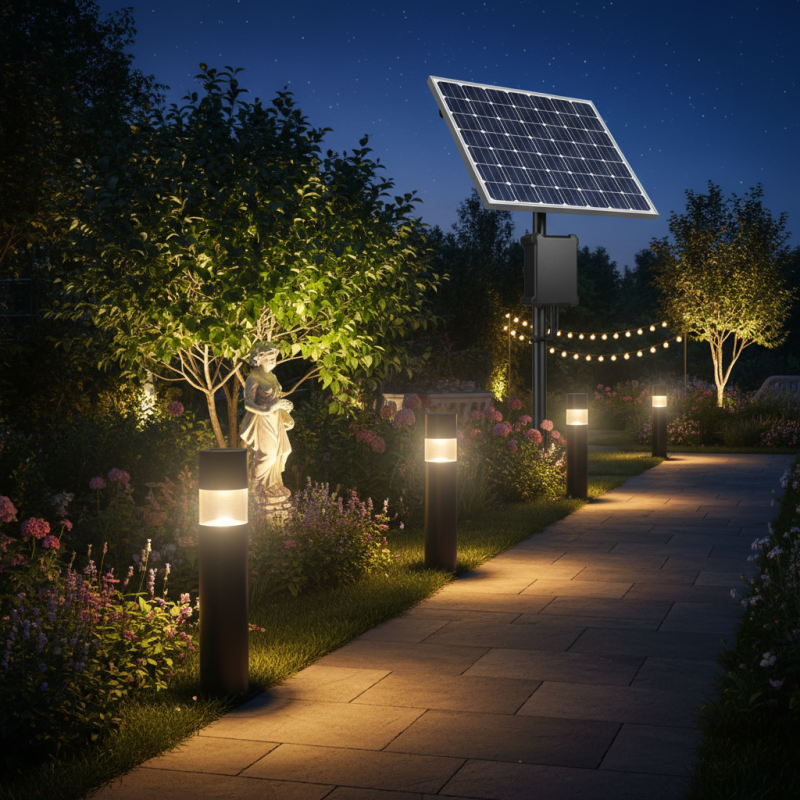
What Factors Affect the Brightness of Solar Lights Explained

Factors Influencing the Brightness of Solar Lights

When considering solar lights, brightness is a key factor affecting their overall effectiveness. Several elements influence how bright these lights can be. One of the main factors is the solar panel's size and efficiency. A larger panel captures more sunlight, allowing for higher energy production. However, poor panel orientation can limit exposure to sunlight.

Battery quality also plays a critical role. A high-capacity battery stores more energy, enhancing light output. On the other hand, an old battery may not hold a charge well, leading to dim lighting. Environmental factors further complicate brightness. For instance, cloudy weather can reduce sunlight absorption, impacting performance.

**Tips:** Position solar lights where they receive maximum sunlight. Regularly clean the solar panels to clear dirt and debris. Consider the placement for seasonal changes in sunlight. Reflect on how local climate may affect your lights. Being aware of these factors helps improve your experience with solar lighting.

What Factors Affect the Brightness of Solar Lights Explained - Factors Influencing the Brightness of Solar Lights

Factor Description Impact on Brightness
Solar Panel Efficiency Percentage of sunlight converted into usable energy. Higher efficiency means brighter lights.
Battery Capacity Amount of energy the battery can store. Larger capacity can power lights longer and brighter.
LED Quality Quality of the LED chips used in the light. High-quality LEDs produce more light (lumens).
Location Placement of solar lights affects sunlight exposure. Well-placed lights will charge better and shine brighter.
Weather Conditions Rain, fog, and snow can reduce sunlight exposure. Poor weather can diminish brightness significantly.
Light Sensor Sensitivity Sensitivity of the solar light's dusk to dawn sensor. More sensitive sensors can optimize brightness effectively.
Aging Components Wear and tear over time reduces performance. Older components often result in dimmer lights.

Types of Solar Light Bulbs and Their Brightness Levels

When selecting solar light bulbs, brightness levels vary significantly. LED bulbs remain the most popular choice. They can produce 100-200 lumens per watt. In contrast, compact fluorescent lamps (CFLs) generate only 35-60 lumens per watt. This variance can greatly influence illumination quality in outdoor settings.

Another aspect to consider is color temperature. Solar lights typically range from 2700K to 6000K. Warmer tones (around 3000K) tend to create a cozy atmosphere. Cooler tones (around 5000K) offer a more vivid appearance. Research suggests that users prefer a blend of colors for aesthetic appeal.

The solar panel and battery efficiency also play vital roles. Many solar lights have batteries capable of storing energy for 8-10 hours. However, poor weather can hinder performance. A study highlighted that panels lose about 50% efficiency on cloudy days. This implies brightness can decrease significantly, leading to user dissatisfaction. Balancing these factors is essential for achieving the desired effect.

Impact of Solar Panel Quality on Light Output

The quality of solar panels plays a crucial role in determining the brightness of solar lights. High-quality panels convert sunlight more effectively into electricity. These panels often feature advanced technology that captures more solar energy. A well-constructed panel can absorb varying intensities of sunlight throughout the day. This means they can generate adequate power even on cloudy days.

However, not all solar panels are created equal. Cheaper options may use lower-quality materials, leading to inefficiencies. In some cases, these panels degrade faster, affecting their overall performance. Factors like temperature tolerance and UV resistance are vital, too. Panels that can't withstand harsh conditions may fail to deliver consistent light output. It's essential to consider how these factors influence overall visibility and utility.

Brightness isn’t solely about the type of solar panel. Factors like battery quality and the size of the LED lights also play roles. A high-quality panel with insufficient battery capacity may not shine bright when needed. Therefore, one must evaluate the entire solar lighting system. Quality matters, but so does compatibility among all components. Understanding this interconnectedness is crucial for optimal brightness.

Role of Battery Capacity in Brightness Performance

When it comes to solar lights, the brightness often hinges on several factors. One of the most critical components is battery capacity. A powerful battery can store more energy, leading to brighter performance. If the battery is too small, lights might flicker or dim after a short time. This dimming can impact how effectively the lights illuminate an area.

Battery size is not the only concern. The type of battery also matters. Lithium-ion batteries generally offer better performance compared to lead-acid options. They charge faster and last longer. Yet, they might be pricier. Choosing the right battery type can be a challenge, especially for those on a budget.

Moreover, battery maintenance is essential. Dirty terminals can reduce battery efficiency. Regular checks and cleaning can boost performance. It's not just about the initial setup; ongoing care influences brightness too. Sometimes, the simple act of ensuring batteries are charged can make a noticeable difference.

Environmental Conditions Affecting Solar Light Efficiency

Solar lights rely heavily on environmental conditions for their efficiency. Sunlight is crucial for charging solar panels. Insufficient sunlight can lead to dim lighting at night. Clouds and rain can significantly reduce the amount of sunlight reaching the panels. In regions with prolonged overcast skies, the performance of solar lights may drop sharply.


Another important factor is temperature. Extreme temperatures can affect battery performance. Cold weather can slow down charging, while excessive heat might damage batteries. Urban areas often have heat islands, which can enhance performance, but those conditions are not universal. Dust and debris on solar panels can also obstruct sunlight. Regular maintenance is needed to keep the panels clean.


While solar lights offer advantages, they are not flawless. Users should be aware of their limitations. For instance, shorter winter days may affect their brightness. Additionally, if the solar panel's angle is not optimal, efficiency may decline. It's crucial to assess local weather patterns and choose the right locations for installation.

Solar lights can be effective, but understanding these environmental factors will lead to better use and improved performance.

FAQS

: How does the quality of solar panels affect their performance?

: High-quality solar panels convert sunlight effectively into electricity, affecting light output significantly.

What happens if I choose lower-quality solar panels?

Cheaper panels may degrade faster, leading to inefficiencies and inconsistent brightness over time.

Are battery quality and size important in solar light systems?

Yes, battery capacity is crucial; a small battery can cause flickering or dim lights.

Which type of battery is preferred for solar lights?

Lithium-ion batteries generally offer better performance but can be pricier than lead-acid options.

How can environmental conditions impact solar light effectiveness?

Insufficient sunlight from clouds or rain can lead to reduced brightness at night.

What effect do temperature extremes have on solar lights?

Extreme cold can slow charging, while excessive heat can damage the batteries, affecting performance.

How can I maintain my solar panels for optimal performance?

Regular cleaning to remove dust and debris is essential for ensuring maximum sunlight absorption.

Do solar lights have limitations?

Yes, they may perform poorly in winter due to shorter days and less sunlight, impacting brightness levels.

Why is the angle of solar panels important?

An improper angle can reduce efficiency, leading to lower energy capture and diminished light output.

What maintenance practices enhance battery performance?

Regularly checking and cleaning battery terminals can significantly boost overall performance and brightness.

Conclusion

When exploring what factors affect the brightness of solar lights, several key elements come into play. The type of solar light bulbs used significantly determines brightness levels, with LED bulbs typically providing the highest illumination. Additionally, the quality of the solar panels directly impacts light output; higher-quality panels convert more sunlight into energy, enhancing overall performance.

Battery capacity is another critical factor, as larger capacity batteries can store more energy, resulting in prolonged lighting and brighter output at night. Furthermore, environmental conditions such as weather, seasonal changes, and geographical location can affect solar light efficiency. As such, understanding these factors is essential for maximizing brightness and ensuring effective solar lighting solutions.

Mason

Mason

Mason is a seasoned marketing professional with a deep expertise in the company's offerings and a passion for driving brand awareness. With a strong background in digital marketing strategies, he has an innate ability to connect with diverse audiences and effectively communicate product benefits.......