How to Extend the Runtime of Solar Lights

Time:2026-11-23 Author:Sienna
0%

A solar light that fades before dawn is not always defective. Its runtime depends on stored energy, sunlight, battery condition, and the power drawn by its LEDs. A shaded panel, winter cloud, or dusty cover can quietly reduce the charge. Small details matter.

NREL’s PVWatts model estimates solar production using factors such as location, system size, tilt, and losses. That is a useful reminder: the same light may charge differently on a clear rooftop than beneath a tree. The U.S. Department of Energy reports that LED bulbs use at least 75% less energy than traditional incandescent bulbs, though that comparison does not guarantee a particular solar light’s runtime. Check the product’s battery and LED specifications, too.

This guide explores How to extend the runtime of solar lights through practical checks: cleaning the panel, improving its sun exposure, choosing suitable lighting modes, and assessing battery wear. Track how many hours a light runs after a full sunny day; a simple notebook can reveal patterns that memory misses. No single adjustment fixes every setup. A brighter panel may help, but a weak battery can still limit overnight operation. That is the catch. Treat manufacturer ratings as starting points, not promises, and judge results across several weather conditions.
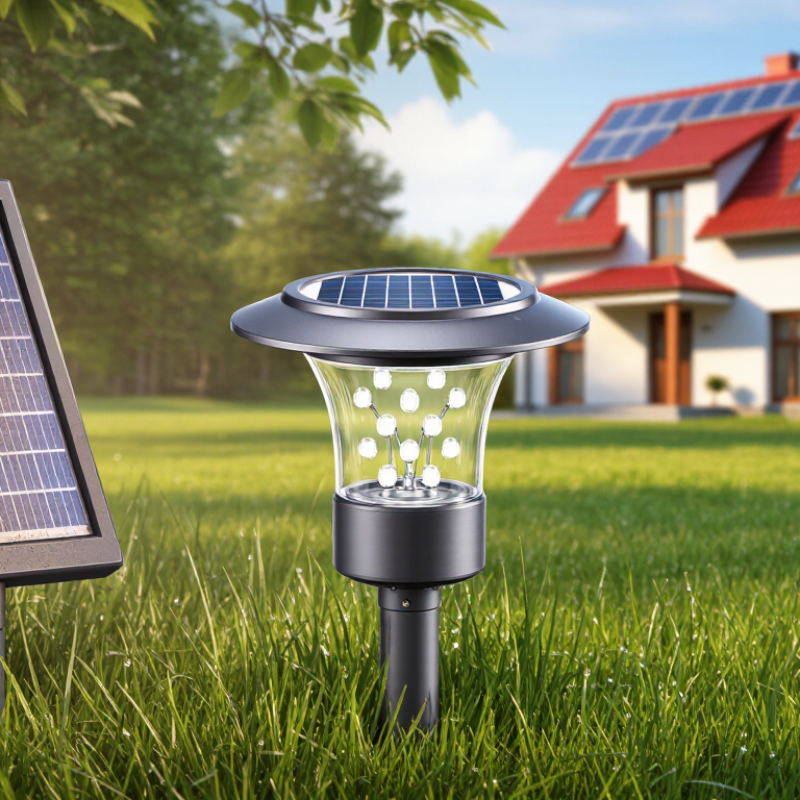
How to Extend the Runtime of Solar Lights

Assess the Factors That Limit Solar Light Runtime

A solar light’s runtime is an energy budget, not a fixed promise. Its panel must collect enough daylight to recharge the battery, while the lamp’s output determines how quickly that stored energy is used. Shade from a fence, dusty glass, or a panel tilted away from the winter sun can cut charging time. Cloudy afternoons matter, too.

Battery age, temperature, and capacity also set limits. Cold conditions can reduce a battery’s usable output, while repeated charging and discharging gradually wear it down. The U.S. Department of Energy’s LED Lighting Factsheet reports that LEDs use at least 75% less energy than incandescent lighting. That efficiency helps, but it cannot make a small battery last indefinitely. Real-world runtime may still fall short of the package estimate.

Tips: Wipe the panel clean, clear nearby shade, and check the light after a full sunny day. If it dims early, try a lower brightness setting or shorter operating schedule. Small changes count. Note the weather and runtime for several nights; one cloudy evening is not a reliable test. I would not treat any single night as proof that the battery has failed.

Position Solar Panels for Maximum Daily Sunlight

A solar light can only store energy its panel collects. Place the panel where direct sunlight reaches it for several hours each day, ideally through the brighter middle hours. Even a narrow shadow from a railing or branch can reduce charging. Watch the spot at different times, not just when you install the light.

Panel direction depends on your location. In the Northern Hemisphere, a south-facing position often receives strong daily sun; in the Southern Hemisphere, north-facing placement is usually a good starting point. Keep the panel angled toward open sky, and avoid placing it under eaves or behind glass. Seasonal changes matter: a sunny summer position may be shaded by a low winter sun. It takes a little observation, and the first location may not be the best one.

Tips: Check for shade around midday, wipe dust from the panel with a soft damp cloth, and trim nearby foliage when practical. After cloudy days, shorter runtime is normal. If performance stays low in clear weather, inspect the panel angle and battery condition.

Keep Panels Clean and Reduce Unnecessary Energy Use

Solar lights need a clear path to sunlight during the day. Dust, pollen, and bird marks can cover a panel and reduce charging. Wipe it gently with a damp, soft cloth, then dry it before evening. Avoid abrasive pads, which may scratch the surface. Check the panel every few weeks, and more often after windy weather. A quick look helps. Keep nearby leaves from casting shade, too.
Reducing unnecessary energy use can also extend a light’s nightly runtime. Aim fixtures at steps or paths, not empty walls or the sky. If your light offers brightness or motion settings, choose a lower level or motion activation where steady lighting is not needed. Check that the sensor faces the area people actually use. It is easy to overlook this detail. Cloudy days still limit charging, so even clean panels cannot guarantee a full night. If runtime keeps shrinking, inspect the battery according to the product instructions; cleaning alone may not solve it.
Tips: Clean panels in the morning, before they heat up. Trim shading branches carefully. Test one setting change for several nights, then compare how long the light stays on.

Check Battery Health and Replace Worn Components

Solar lights that fade after a few hours often have tired batteries, not faulty panels. Before replacing anything, compare the light’s runtime with its usual performance on similarly sunny days. Cloud cover, winter sun angles, and shade can reduce charging, so one short night proves little. Open the battery compartment in daylight and check for swelling, leakage, rust, or loose contacts. Wipe dry contacts gently with a clean cloth; avoid scraping them aggressively. Small details matter. Battery aging is gradual: lights may start normally, then dim early or fail after several hours.

Replace batteries with the same chemistry, voltage, and size specified by the manufacturer. Choose rechargeable cells intended for solar lighting, and replace the full set rather than mixing old and new cells. Never force a cell into place. While the housing is open, inspect the rubber seal, wiring, and switch for cracks or moisture. Keep the seal intact. A damaged seal can let rain undo a good battery replacement. Reassemble the light, then test it over two or three clear days. If runtime remains poor, clean the solar panel and check its angle before replacing the entire fixture. It is easy to expect a new battery to fix everything; sometimes it does not. Check the panel-to-battery contacts again.

How Battery Health Affects Solar Light Runtime

Illustrative estimates assume the same light, load, and full charge; runtime is modeled as proportional to remaining battery capacity. Replacing a worn battery can restore runtime, while actual results also depend on sunlight, temperature, and component condition.

Adjust and Maintain Lights for Seasonal Conditions

As seasons change, adjust solar lights to match the available daylight. In winter, the sun sits lower, and nearby branches may cast longer shadows. Move portable lights to a sunnier spot, or tilt the panel toward the midday sun. Even a small change can help it collect more light. Keep the panel clear of dust, fallen leaves, and snow. Avoid scraping it with rough tools, which may scratch the surface. Cold weather can also reduce battery performance, so shorter runtimes may not mean the light is damaged. I have found that checking the panel after a cloudy week is easy to forget.

Tips: Clean panels with a soft, damp cloth. Trim back shading plants when practical. Check that the panel’s angle still suits the season, and follow the light’s care instructions before replacing or removing its battery.

In summer, longer days often provide more charging time, but heat and heavy shade still matter. Make sure nearby plants have not grown over the panel. If the light has a timer or brightness setting, use a lower setting when overnight coverage matters more than maximum brightness. After storms, check that the panel faces the sky and that water has not collected around the unit. Small adjustments help, though results vary with weather, placement, and battery age.

FAQS

Why do solar lights turn off before morning?

The battery may not have stored enough energy, or the lamp may use it quickly. Shade, dust, cloudy afternoons, and winter sunlight can all reduce charging.

How can I check whether poor sunlight is the problem?

Wipe the panel and clear nearby shade. Check runtime after a full sunny day, then compare it across several nights. One cloudy evening proves little.

Can cold weather reduce a solar light’s runtime?

Yes. Cold conditions can reduce a battery’s usable output. A light may start normally, then dim early.

How do I tell if the battery is worn?

Look for swelling, leakage, rust, or loose contacts. Gradual dimming after several hours can also suggest an aging battery.

What batteries should I use as replacements?

Match the specified chemistry, voltage, and size. Use rechargeable cells intended for solar lighting, and replace the full set. Do not mix old and new cells.

What should I inspect while the battery compartment is open?

Check the contacts, wiring, switch, and rubber seal. Gently wipe dry contacts with a clean cloth; do not scrape them. Keep the seal intact.

What can I try if a new battery does not help?

Clean the panel and check its angle toward the sun. Recheck the panel-to-battery contacts, too. A new battery may not fix everything.

How should I test a repaired solar light?

Reassemble it and observe it over two or three clear days. Note the weather and runtime. I would not judge it from one night alone.

Conclusion

How to extend the runtime of solar lights starts with understanding what affects their performance. Limited daily sunlight, shade, dirty panels, aging batteries, and settings that use more power can all shorten the time lights stay on. Place each panel where it can receive several hours of direct sunlight, and adjust its position as nearby plants or other objects create shade. Regularly wipe away dust, leaves, and other buildup so the panel can collect sunlight efficiently.

Use energy thoughtfully by choosing suitable brightness or operating settings and switching off lights when they are not needed. Check batteries for signs of reduced capacity, such as lights dimming early or failing to last through the night, and replace worn components when appropriate. Seasonal changes may bring shorter days, lower sun angles, or more debris, so reposition panels and inspect the lights throughout the year. These simple checks can help solar lights make better use of available energy and run longer each evening.

Sienna

Sienna

Sienna is a skilled marketing professional with a deep expertise in our company’s core products and services. With a passion for innovation and detail, she plays a pivotal role in crafting insightful blog posts that not only highlight the unique features of our offerings but also provide valuable......