How to Extend the Lifespan of Solar Lights Effectively?

Time:2026-05-05 Author:Mason
0%

Solar lights are an excellent option for outdoor illumination. They are energy-efficient and eco-friendly. However, many users overlook their maintenance needs. Proper care can significantly enhance their lifespan. Hence, understanding how to maintain solar lights for longer lifespan is essential.

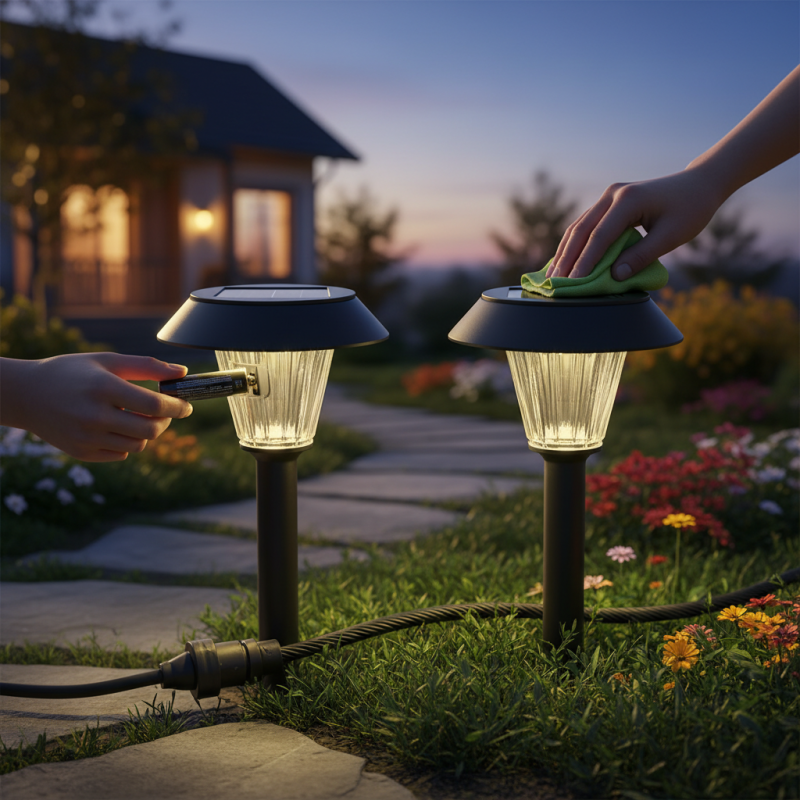
Cleaning solar panels regularly is crucial. Dirt or debris can block sunlight, reducing performance. Additionally, checking the batteries is important. Over time, they can lose their ability to hold a charge. Replace them when necessary to ensure optimal function.

Placement is another key factor. Avoid areas with excessive shade. The more sunlight they receive, the better they work. Regularly inspecting connections and components can prevent unexpected failures. With simple maintenance, one can enjoy enhanced lighting and a longer lifespan for solar lights.
How to Extend the Lifespan of Solar Lights Effectively?

Choosing the Right Location for Solar Lights Installation

Choosing the right location for solar light installation is crucial for maximizing their functionality and lifespan. Research from the Solar Energy Industries Association states that proper placement can boost solar efficiency by up to 30%. Ideal locations should receive at least six hours of direct sunlight each day. Avoid shaded areas, as even partial shading can significantly reduce output.

Consider the angle of the solar panel. South-facing installations tend to capture more sunlight. Trees, buildings, and fences should be evaluated for potential interference. Raising the lights on poles can help mitigate shade concerns.

Tips: Install solar lights on clear, unobstructed surfaces. Regularly clean the panels to remove dust or debris. Some people overlook these details, leading to premature wear and decreased efficiency. Regular checks can save you time and money in the long run.

Placement matters in solar light longevity. Analyze seasonal changes in sunlight as well. Areas with changing foliage may see variations in light exposure. Engaging with your surroundings can enhance the effectiveness of your solar lights.

Regular Cleaning and Maintenance for Optimal Performance

Regular cleaning and maintenance play a crucial role in extending the lifespan of solar lights. Dust, debris, and leaves can accumulate on solar panels, blocking sunlight. Reports indicate that dirty solar panels can lose 20% to 30% efficiency, significantly reducing the brightness of lights. A simple cleaning method involves using a soft cloth and mild soap. Ensure the panels are cool before cleaning. This not only improves performance but also minimizes wear and tear.

Battery maintenance is another essential aspect. Solar lights typically use rechargeable batteries, which can degrade over time. According to industry studies, replacing batteries every 1 to 2 years can enhance overall performance. Keeping the battery terminals clean is vital. Corrosion can lead to poor connections, impacting energy storage. Regularly check for corrosion and clean using a solution of vinegar and water.

Additionally, consider the placement of solar lights. If they are installed in shaded areas, their lifespan shortens due to insufficient light capture. Some users overlook this factor, leading to premature failure of their solar lights. Reviewing their installation location and adjusting angle or position can yield better results. That said, recognizing these details can sometimes be missed in routine maintenance. Each small adjustment contributes to optimal performance, thus prolonging the lights' operational life.

Understanding Battery Care and Replacement Practices

Maintaining solar lights involves a critical focus on battery care. Most solar lights use lithium-ion or nickel-cadmium batteries. Proper battery maintenance enhances performance and extends their lifespan. Research indicates that batteries can lose up to 20% of their capacity each year without proper care. Regularly cleaning the solar panel ensures that the batteries receive optimal sunlight. Dust and debris can significantly reduce the effectiveness of solar charging.

When it comes to battery replacement, timing is essential. Watch for signs such as reduced brightness. A dimmer light is often a clear indicator of battery wear. Experts recommend replacing batteries every two to three years, depending on usage. Not all batteries are created equal; credible studies show that high-quality batteries can provide up to 30% longer life than cheaper alternatives. Remember, failure to replace worn-out batteries can not only diminish light output but also damage the solar unit itself over time.

Understanding the environmental factors is just as important. Extreme temperatures can affect charge cycles. Continuous exposure to harsh conditions may shorten battery life. Effective battery care is a balance of attention and timing, tailored to your environment. This understanding is crucial for anyone looking to maximize their solar lights' lifespan effectively.

Protecting Solar Lights from Harsh Weather Conditions

Protecting solar lights from harsh weather conditions is vital for their longevity. Extreme temperatures, heavy rain, and strong winds can significantly damage these lights. To keep them functional, start by choosing high-quality lights with weather-resistant features. Look for units designed to withstand rain and snow. However, not all solar lights are created equal, and even the best can fail under severe conditions.

In addition to buying quality products, regular maintenance is essential. Clean the solar panels often to ensure optimal energy absorption. Dirt and debris can block sunlight, reducing efficiency. Inspect the fixtures regularly for signs of rust or damage. Consider moving the lights during extreme weather events, if possible. Some designs may not fare well against high winds. It’s always good to reflect on your choices and adjust your setup as needed.

Lastly, store solar lights indoors during winter months. Cold weather can drain batteries faster than usual. Bringing them indoors can help preserve their lifespan. Pay attention to local weather patterns and anticipate changes. Being proactive can save you from future frustrations with malfunctioning solar lights.

Upgrading Components for Enhanced Longevity of Solar Lights

Upgrading the components of solar lights is essential for enhancing their longevity. Solar lights typically rely on a few key components: solar panels, batteries, and LED bulbs. Each of these elements can significantly influence the overall lifespan of the lights. According to a report by the National Renewable Energy Laboratory, solar panels can last upwards of 25 years when properly maintained. However, many consumers overlook the importance of quality batteries. Low-quality batteries can lead to a shorter lifespan for the entire unit.

One effective upgrade strategy involves switching to high-capacity lithium-ion batteries. These batteries have a faster charging time and a longer discharge cycle compared to traditional lead-acid options. Research indicates that lithium-ion batteries can last up to 10 years in outdoor conditions, ensuring that your solar lights remain functional longer. Selecting LEDs designed for longevity also plays a key role. While standard LEDs last about 25,000 hours, premium models can exceed 50,000 hours.

It is crucial to regularly assess your solar lights for wear and tear. Faulty or outdated components should not be ignored. Although some lights might seem to function adequately, incremental performance issues can impact overall efficiency. Sometimes, investing in higher-quality components may initially seem costly, but the overall reduction in replacement costs and increased performance often justifies this decision. Maintaining a balance between quality and expenditure is vital for long-term sustainability.

How to Extend the Lifespan of Solar Lights Effectively?

Component Recommended Upgrade Impact on Lifespan Notes
Solar Panel Upgrade to Monocrystalline Increases energy absorption and efficiency Higher initial cost, better long-term performance
Battery Use Lithium-ion Type Longer cycle life and better temperature tolerance Lighter and more efficient than nickel-metal hydride batteries
LED Light Upgrade to Higher Lumen Output Improves brightness and visibility Ensure compatibility with existing system
Controller Smart Charge Controller Prevents overcharging and deep discharge Increases battery lifecycle
Luminaire Housing Use Durable Materials like Polycarbonate Resistant to weather and impacts Enhances overall durability

FAQS

: Why is regular cleaning important for solar lights?

: Regular cleaning prevents dust and debris from blocking sunlight and can maintain optimal efficiency levels.

How does dirt affect solar panel efficiency?

Dirty solar panels can lose 20% to 30% efficiency, leading to reduced brightness of solar lights.

What is a simple method to clean solar panels?

Use a soft cloth and mild soap to clean the panels while ensuring they are cool.

How often should batteries in solar lights be replaced?

It’s advisable to replace batteries every 1 to 2 years for enhanced overall performance.

Why is battery terminal maintenance important?

Clean terminals prevent corrosion, which can cause poor connections and impact energy storage.

What happens if solar lights are placed in shaded areas?

Placing lights in shade reduces their lifespan due to insufficient sunlight capture.

What upgrades can enhance the lifespan of solar lights?

Upgrading to high-capacity lithium-ion batteries and high-quality LED bulbs can significantly extend longevity.

How long can high-quality lithium-ion batteries last?

They can last up to 10 years in outdoor conditions, ensuring longer functionality of solar lights.

Are premium LED bulbs worth the investment?

Yes, premium LEDs can exceed 50,000 hours, providing significant value compared to standard models.

What should be done if solar lights show signs of wear and tear?

Regularly assess lights and replace faulty components to maintain efficiency and performance.

Conclusion

To effectively extend the lifespan of solar lights, it's essential to understand several key practices. First, choosing the right location for installation plays a crucial role, as adequate sunlight exposure ensures optimal functionality. Regular cleaning and maintenance, such as removing dirt and debris from solar panels, will also enhance performance. Additionally, understanding battery care, including proper charging and timely replacement, is vital for longevity.

Protection from harsh weather conditions is another significant factor; using protective covers or storing lights during extreme weather can prevent damage. Lastly, upgrading components, like batteries and LED bulbs, can further enhance durability and efficiency. By following these guidelines, one can successfully answer the question of how to maintain solar lights for longer lifespan, ensuring consistent performance and enjoyment from these sustainable lighting solutions.

Mason

Mason

Mason is a seasoned marketing professional with a deep expertise in the company's offerings and a passion for driving brand awareness. With a strong background in digital marketing strategies, he has an innate ability to connect with diverse audiences and effectively communicate product benefits.......