The longevity of solar light batteries is crucial for sustainable energy solutions. Reports indicate that proper maintenance can extend battery life by 30%. However, many users overlook essential practices. "How to prevent solar light batteries from aging" involves understanding battery chemistry and the environment in which they operate. Dr. Jane Thompson, a leading expert in renewable energy, emphasizes, "Regular monitoring is key to maximizing battery lifespan."
Inadequate care often leads to premature battery failure. The degradation of battery materials can occur due to extreme temperatures and frequent discharges. It is vital for users to consider these factors. Simple steps like ensuring proper installation and investing in high-quality batteries can make a significant difference. Additionally, regular cleaning of solar panels enhances efficiency and, by extension, battery life.
Addressing these fundamental aspects can lead to tangible improvements. Many solar light users may not fully grasp the impact of their actions. The choice of battery type and how they interact with solar energy systems come into play here. Knowledge and adherence to best practices are essential for optimizing solar light battery performance.
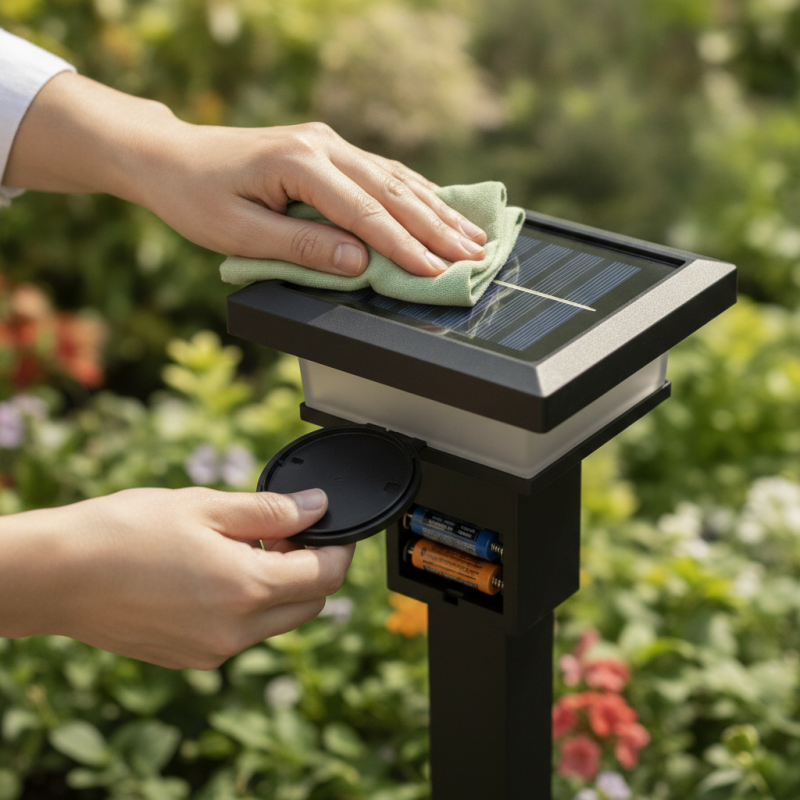
Solar light batteries are essential components of solar-powered garden lights and outdoor illumination solutions. They store energy gathered from sunlight during the day, converting it into electricity to power the lights after sunset. Understanding their functionality begins with recognizing the role of solar panels, which absorb sunlight, and charge the batteries. This energy conversion process is what provides the necessary power for nighttime operation.
When it comes to selecting the right battery type, options like NiMH and Li-ion batteries are commonly used. They vary in lifespan and efficiency. Solar light batteries can deteriorate over time due to factors such as frequent charging, discharging cycles, and environmental conditions. Outdoor elements like extreme temperatures can particularly affect battery performance. Regular maintenance is crucial. Cleaning the solar panels and ensuring they're free from debris helps maximize efficiency.
Improving battery lifespan requires a few thoughtful practices. Storing batteries in a cool, dry place when not in use extends their longevity. Regularly checking for corrosion on the battery terminals can prevent performance issues. It’s worth noting that sometimes batteries will fail despite care. Acknowledging their limitations helps users make informed decisions about replacements and upgrades.
When it comes to solar light batteries, several factors influence their lifespan. Understanding these can help you maximize their performance. Temperature plays a significant role. Excessive heat can damage batteries, leading to reduced efficiency. Conversely, very low temperatures can also hinder their performance. Aim to install solar lights where they can avoid temperature extremes.
Another crucial aspect is the battery type used. Lead-acid batteries generally have shorter lifespans compared to lithium-ion batteries. While lithium-ion batteries are more expensive, they often perform better under various conditions. Regular maintenance, like cleaning solar panels, is vital. Dust and debris can block sunlight, resulting in insufficient charging. Make it a habit to check for obstructions that may impact performance.
Charging cycles also matter. Overcharging or allowing complete discharge can wear batteries out more quickly. Pay attention to the weather, as prolonged cloudy days can affect charging times. In addition, storing batteries in a proper condition during off-seasons is often overlooked. Not providing adequate care leads to diminished longevity. The small changes can make a significant difference in how long your solar batteries last.
Maintaining solar light batteries is crucial for maximizing their lifespan and performance. Here are some effective practices that can help.
Regularly clean the solar panels to enhance sunlight absorption. Dust, dirt, and debris can significantly reduce efficiency. A simple solution is to wipe the panels with a damp cloth every few weeks. Pay attention to any signs of corrosion or wear on the battery terminals as well. This can often go unnoticed but can lead to slower charging or operational failures.
Tip: Store solar lights indoors during extreme weather. High temperatures or heavy rain can damage batteries. It’s a good habit to take them down during harsh conditions, especially in winter.
Check the battery connections frequently. Loose connections can not only hinder performance but also pose safety risks. If you notice any discrepancies, tighten or replace the terminals promptly.
Tip: Rotate or replace batteries routinely. Even the best batteries degrade over time. By keeping track of their age, you can ensure optimal performance. Consider marking the installation date to facilitate reminders.
Proper charging and discharging of solar light batteries can significantly influence their lifespan. Many studies indicate that the average life expectancy of these batteries is around 2-5 years. However, with attentive care, users can often double this duration. Lithium-ion batteries, for instance, perform better when charged within a specific voltage range. Monitoring this range is essential to prevent overcharging, which can lead to thermal runaway and battery failure.
Tips for prolonging battery life include ensuring a full charge before the first use. A slow, full discharge will help condition the battery. Avoid using solar lights in extreme temperatures; both hot and cold environments can degrade battery performance. Regularly clean the solar panel is equally important. Dirt or debris can block sunlight, affecting the charging cycle. In fact, a 10% drop in solar panel efficiency can reduce battery life by up to 20%.
Lastly, consider using a smart charge controller. This device prevents over-discharge and overcharge instances. Many users overlook the importance of discharging batteries properly. A complete discharge can sometimes result in a memory effect in NiMH batteries, reducing their capacity. A careful balance between charging cycles can help maintain optimal performance. Regular maintenance checks can also identify potential issues before they become significant problems.
When it comes to solar light batteries, recognizing the signs that indicate a need for replacement is crucial. Industry studies suggest that solar batteries typically last between two to five years. Faded light or inconsistent illumination may signal that battery performance has dwindled. If lights fail to turn on as dusk approaches, this could be a clear sign of battery degradation.
Additionally, physical signs should not be overlooked. Look for corrosion on battery terminals or a swollen battery casing. These issues often reflect internal damage or chemical breakdown. According to the International Renewable Energy Agency, about 35% of solar energy systems underperform due to battery failures. Neglecting these problems can lead to inefficient energy usage and wasted investment.
Monitoring the runtime of your solar lights provides valuable insights as well. If the lights only shine for a couple of hours, their efficiency is compromised. Periodically analyzing these components can highlight significant issues. Keeping track of performance metrics can help extend the lifespan of these batteries. Regular checks will ultimately aid in making informed decisions about replacements.
: Solar light batteries store energy from sunlight during the day for nighttime power.
Common battery types include NiMH and Li-ion, differing in efficiency and lifespan.
Extreme temperatures and frequent charging cycles can deteriorate solar light batteries.
Regularly clean solar panels and check battery terminals for corrosion to enhance performance.
Store batteries in a cool, dry place and avoid complete discharges to extend longevity.
Signs include faded light, inconsistent illumination, or physical issues like corrosion or swelling.
Regular checks on runtime and performance metrics can help identify potential battery issues.
Yes, lithium-ion batteries usually last longer and perform better than lead-acid batteries.
Overcharging can wear out the batteries more quickly, leading to reduced efficiency.
Yes, inadequate care during off-seasons can diminish battery longevity and performance significantly.
This article provides a comprehensive guide on how to extend the lifespan of solar light batteries. It begins with an overview of solar light batteries, explaining their essential functions within solar lighting systems. Understanding the factors that influence battery longevity, such as temperature, charge cycles, and maintenance practices, is crucial for enhancing performance.
The article emphasizes best practices for maintaining solar light batteries, including regular cleaning and inspection. Moreover, it offers valuable tips on proper charging and discharging techniques, which are vital for preserving battery health. Lastly, the article outlines the signs that indicate a need for battery replacement. By implementing these strategies, readers will effectively learn how to prevent solar light batteries from aging and ensure their optimal functionality for years to come.

Midmo Lights