Choosing the right outdoor solar light is not simply a matter of comparing brightness and price. The real question is: How to choose solar lights for different outdoor spaces without wasting energy or creating harsh glare? A narrow pathway needs controlled, low-level illumination. A patio may need warmer light, wider coverage, and comfortable brightness. A security area requires stronger output, reliable motion detection, and careful positioning.
The U.S. Department of Energy reports that LED lighting uses at least 75% less energy and can last up to 25 times longer than incandescent lighting. That efficiency explains solar lighting’s appeal, but performance still depends on sunlight, battery capacity, temperature, and shade. The International Energy Agency’s Renewables reports also show solar power continuing to expand rapidly worldwide. Yet a small garden light cannot be judged like a rooftop solar system. Scale matters.
Lighting designer Randall Whitehead is often quoted saying, “Lighting is the jewelry of architecture.” That idea applies outdoors, although it is easy to overdo it. A bright lamp beside a bedroom window may feel secure but become irritating. A decorative lantern may look beautiful but fail on a dark step. This guide examines lumen output, beam angle, color temperature, IP ratings, battery storage, and installation height for gardens, driveways, balconies, patios, and pathways. Some recommendations remain imperfect, because local weather and seasonal sunlight can change results. A winter test is wiser than trusting the package alone.
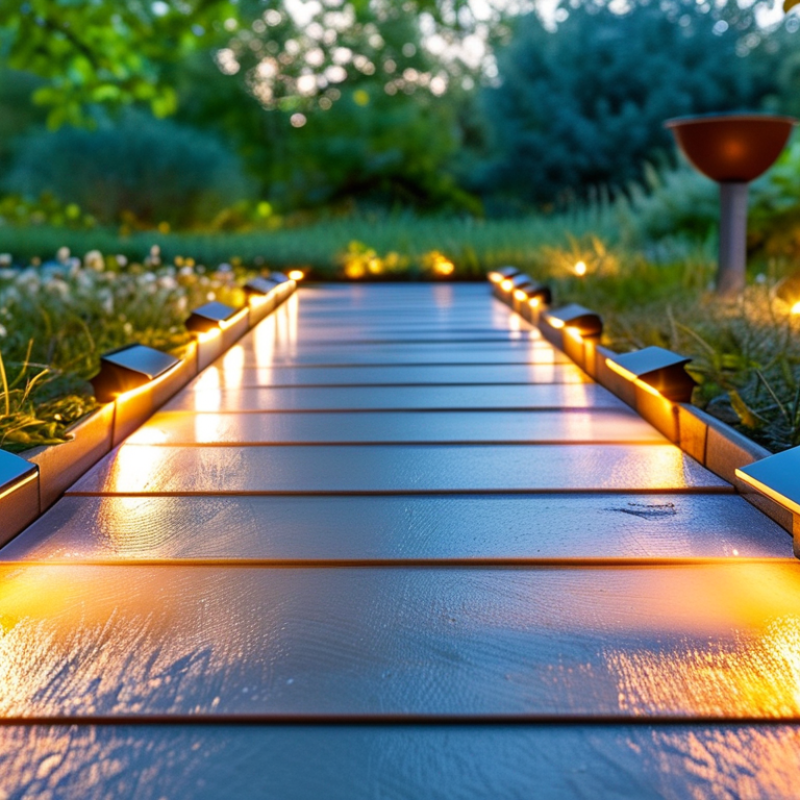
Before choosing solar lights, study how the outdoor space behaves throughout the day. A sunny patio may support brighter lights and longer evening operation. A narrow side path may receive only two hours of direct sunlight. Shade from walls, trees, or balconies can reduce charging significantly.
Walk through the area at dusk and note the places that feel unsafe or visually flat. Check whether you need gentle guidance, focused task lighting, or stronger security illumination. Measure the path, doorway, or seating area before shopping. In my own outdoor tests, lights placed too far from a walkway created dark gaps. I also learned that attractive brightness is not always useful. Glare near eye level can make steps harder to see.
Tips: Match light output to the space, not the product label alone. Choose warm light for seating areas and clearer light for steps. Place panels where they receive direct sunlight, not reflected brightness. Keep fixtures away from sprinklers and standing water. Clean dusty panels every few months. Motion sensors can save energy, but they may activate repeatedly near busy paths. Battery performance also changes in winter, so expected runtime can be shorter. Recheck the layout after installation; the first arrangement may look right but still leave an awkward shadow.
Solar lights work best when their design matches the space, not merely its appearance. For garden paths, choose low-height pathway lights with wide, soft beams. They reduce glare and help reveal uneven paving. Place them at regular intervals, but avoid creating a runway effect. I usually test one light after sunset before installing the full row.
Entryways need a different solution. Wall-mounted solar lights with motion sensors can brighten steps, locks, and door handles quickly. Select a model with adjustable detection range and weather protection suitable for your local climate. A warm light often feels more welcoming. However, motion sensors may activate during heavy rain or passing animals. Placement matters more than advertised brightness.
Use focused solar spotlights for trees, signs, and architectural details. Aim them carefully, because excessive brightness can disturb nearby rooms or wildlife. Decks and seating areas benefit from string lights or compact table lights with diffused covers. They create gentle illumination instead of harsh shadows. For security near garages, gates, or side passages, choose brighter lights with broad coverage. Check that the solar panel receives several hours of direct sunlight. Nearby walls, branches, and winter shadows can reduce charging. I once installed lights beneath a tree and expected steady output; the shade proved otherwise. A small adjustment fixed part of the problem, but not every evening.
| Outdoor Area | Recommended Solar Light Type | Typical Brightness | Color Temperature | Suggested Spacing | Weather Protection | Key Selection Tips |
|---|---|---|---|---|---|---|
| Front Walkways | Solar path lights or low bollard lights | 10–50 lumens per light | Warm white, 2,700–3,000 K | 1.5–3 m apart on alternating sides | IP44 minimum; IP65 is preferable in exposed locations | Choose downward or shielded light to reduce glare. Keep fixtures clear of tall plants and place them where the solar panel receives direct sunlight. |
| Driveways and Parking Areas | Solar floodlights or motion-activated wall lights | 300–1,000 lumens per fixture | Neutral white, 3,500–4,000 K | 5–10 m apart, depending on beam angle and mounting height | IP65 or higher | Use wide-beam fixtures for general visibility and motion sensors where continuous lighting is unnecessary. Mount lights high enough to avoid direct eye-level glare. |
| Porches and Entryways | Solar wall lanterns or compact wall-mounted lights | 100–300 lumens per fixture | Warm to neutral white, 2,700–4,000 K | One fixture beside a door; two for wider entrances | IP44 minimum; IP54 or higher for uncovered entrances | Select a downward-facing design with a dusk-to-dawn sensor. Check that the panel is not shaded by an overhang, roof, or nearby wall. |
| Patios and Decks | Solar string lights, lanterns, or recessed deck lights | 5–20 lumens per decorative point; 100–400 lumens for functional lighting | Warm white, 2,200–3,000 K | String lights: 30–60 cm between bulbs; deck lights: according to the walking pattern | IP44 for sheltered areas; IP65 for exposed areas | Use low-glare, diffused light for comfort. For built-in deck fixtures, choose models rated for foot traffic and install them flush with the surface. |
| Gardens and Flower Beds | Decorative stake lights, spotlights, or adjustable garden lights | 5–100 lumens per light | Warm white, 2,700–3,000 K | 0.6–1.5 m apart for accents; 2–4 m for spotlights | IP44 minimum; IP65 for sprinklers or heavy rain exposure | Use adjustable heads to highlight trees, shrubs, or architectural features. Avoid placing bright lights directly toward windows or neighboring properties. |
| Steps and Stairs | Solar step lights, recessed lights, or compact wall lights | 10–50 lumens per light | Warm or neutral white, 2,700–4,000 K | One light per step or every 1–2 steps, depending on the beam spread | IP65 recommended | Prioritize even illumination over decoration. Avoid fixtures that create sharp shadows, and confirm that the mounting surface receives enough daylight for charging. |
| Fences and Property Boundaries | Solar fence-post caps, boundary lights, or low wall lights | 10–80 lumens per light | Warm white, 2,700–3,000 K | 1.5–3 m apart for continuous visual guidance | IP44 minimum; IP65 for fully exposed fences | Measure post dimensions before purchasing. Choose downward light distribution to limit spill into adjacent yards and public areas. |
| Security Zones and Side Passages | Solar motion-sensor floodlights with adjustable heads | 500–1,500 lumens per fixture | Neutral to cool white, 4,000–5,000 K | One fixture for approximately 10–20 m², subject to beam angle and height | IP65 or higher | Look for adjustable sensitivity, detection range, and lighting duration. Position the panel toward the strongest available sunlight and aim the beam away from nearby homes. |
| Sheds, Garages, and Utility Areas | Solar area lights or remote-panel indoor/outdoor lights | 300–1,000 lumens per fixture | Neutral white, 3,500–4,000 K | One fixture per small entrance or work zone | IP65 for exterior fixtures; use an appropriate indoor rating for interior components | A separate solar panel is useful when the building roof or wall is shaded. Choose a long cable only when it can be protected from abrasion, water, and foot traffic. |
General guideline: Solar lights perform best when the panel receives several hours of unobstructed direct sunlight each day. Actual brightness and operating time vary with season, weather, installation angle, battery capacity, and local daylight conditions.
Outdoor lighting works best when brightness matches the task, not the fixture’s size. For a narrow path, 50 to 150 lumens per light often provides gentle guidance. Steps and entry areas may need 150 to 300 lumens, especially under leafy trees. A wide patio usually needs several lower-output lights instead of one harsh beam. I test the light after sunset and walk the space from different angles. Shadows can hide a step.
Runtime claims need careful reading. A light rated for eight hours may reach that figure after a clear summer day. Clouds, shade, and winter sunlight can reduce charging time sharply. Choose a panel with an open view of the sky. Compare usable runtime at the brightness setting you will actually select. Motion sensors can conserve energy, while constant high brightness drains batteries faster. I once trusted the advertised runtime and found the path dark before midnight. That was my mistake.
Weather resistance matters beyond rain. Look for a tested ingress rating, such as IP65, and check whether the housing resists dust and water jets. Avoid placing lights where puddles collect or sprinklers hit them daily. Cold temperatures can reduce battery performance. Salt air also accelerates corrosion near coasts. Inspect seals and clean the panel every few months. I would not assume a higher rating guarantees years of service; installation and maintenance still affect the result.
Plan placement before choosing solar lights. I start with a simple evening walk around the property. Mark steps, gates, dark corners, and changes in ground level. A light near a path should guide feet, not shine directly into eyes. Keep fixtures about 1.5 to 2.5 meters apart on narrow walkways, then adjust after testing shadows.
Coverage depends on more than brightness. Check the stated beam angle, mounting height, and usable battery time. A wide beam suits a patio, while a narrower beam can highlight stairs or a gate.
The U.S. Department of Energy reports that LED lighting uses at least 75% less energy and lasts up to 25 times longer than incandescent lighting. That efficiency helps, but poor placement still creates dark patches.
Sun exposure matters. Place panels where nearby walls, trees, and rooflines will not shade them during peak daylight hours. NREL’s PVWatts analysis tool shows how location, tilt, and system losses affect solar production, so local conditions should guide expectations.
In winter, a shaded panel may deliver much less charge. I have found that “all-night” claims can feel optimistic after cloudy weather. Test one evening, then move the light by a few centimeters if glare or gaps appear. Use warmer light near seating areas, and reserve brighter output for hazards. Dante? No.
Solar lights work best when their position matches the outdoor space.
Place pathway lights where they remain visible but do not obstruct walking. Choose a spot with six to eight hours of direct sunlight each day. Check for shade from trees, walls, and roof edges before securing the fixture. Avoid placing stakes near underground cables, irrigation pipes, or drainage channels.
Install each light on firm ground, and use gloves when handling sharp stakes or cracked parts. Follow the supplied instructions, especially for battery access and waterproof seals. Never cut wires or alter the housing. If a cable enters a building, ask a qualified electrician to inspect the installation. Local electrical and building requirements may also apply. Even low-voltage equipment needs careful placement.
Maintenance is simple but regular.
Wipe the panel with a soft, damp cloth every few weeks, especially after dusty weather. Check for loose covers, rust, water inside the casing, or damaged batteries. Replace rechargeable batteries only with the correct type. Turn the light off before servicing when a switch is available. Adjust the panel toward the strongest daylight, not merely toward an open sky. Aim motion sensors away from busy roads, windows, and neighbors’ rooms. I once underestimated afternoon shadows, and the lights dimmed before midnight. Recheck the area after seasonal changes, because a safe position in summer may become shaded in winter.
: Narrow paths often need 50–150 lumens per light. Steps and entrances may need 150–300 lumens. Bigger is not always better.
Usually, several softer lights create better coverage. One harsh beam may leave dark areas near chairs or plant pots.
Place them about 1.5–2.5 meters apart on narrow paths. Adjust spacing after sunset to reduce shadows and glare.
Runtime depends on sunlight, shade, clouds, temperature, and brightness settings. An eight-hour claim may assume a clear summer day.
Place the panel under open sky. Avoid walls, trees, and rooflines that create midday shade. Clean the panel every few months.
Yes, motion sensors can save battery power. Constant high brightness drains energy faster, especially after cloudy weather.
Look for a tested rating such as IP65. Keep lights away from puddles and daily sprinkler spray. Higher ratings are not magic.
Cold temperatures can reduce battery performance. Salt air may accelerate corrosion. Check seals and housing surfaces regularly.
Walk the area after sunset from several angles. Aim lights toward the ground, not people’s eyes. Move a fixture a few centimeters when needed.
Do not choose lights by size alone. Mark steps, gates, dark corners, and uneven ground first. I once trusted brightness claims too much. Testing changed my plan.
How to choose solar lights for different outdoor spaces begins with understanding the area and its purpose. Consider whether you need welcoming illumination for an entrance, focused light for pathways, decorative accents for a garden, or stronger coverage for patios and security-sensitive areas. Select light types that suit each location, then compare brightness, operating time, charging performance, and resistance to rain, dust, heat, and cold. These factors help ensure that the lights remain useful throughout changing weather and seasonal conditions.
Effective placement is also essential. Position solar panels where they can receive sufficient direct sunlight, and space the lights to create balanced coverage without excessive glare or dark gaps. During installation, secure fixtures firmly and keep cables or mounting parts safely arranged. Regularly clean the panels, check for damage, and adjust the angle or location when surrounding plants, buildings, or seasonal changes reduce sunlight. Careful planning and simple maintenance can make outdoor solar lighting more reliable, efficient, and attractive.

Midmo Lights