Choosing the right solar lights can significantly impact your outdoor experience. As Michael Green, a solar lighting expert, points out, “The best solar lights combine efficiency with durability.” This statement resonates deeply when exploring how to choose cost-effective solar lights. Understanding the balance between cost and quality is essential.
Cost-effective solar lights offer both affordability and functionality. It’s crucial to analyze the features that matter most. Factors like brightness, battery life, and durability should guide your decisions. Yet, many people overlook warranty and customer support, which can affect long-term satisfaction. The right selection can lead to enhanced safety and aesthetics in your outdoor space.
However, it’s also easy to be lured by low prices. Cheaper options may lack performance. For sustainable choices, invest time in research and reviews to avoid regrettable purchases. In the quest for how to choose cost-effective solar lights, consider your specific needs. Balancing these elements will lead to a satisfying lighting solution.
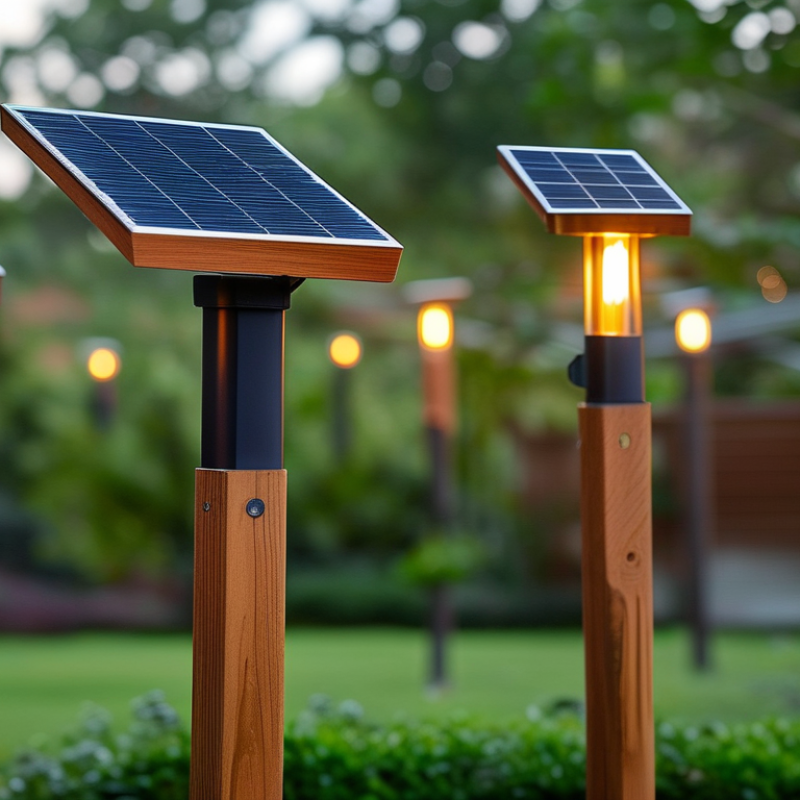
Factors Affecting the Cost-Effectiveness of Solar Lights
When choosing solar lights, several factors dictate their cost-effectiveness. Battery quality plays a crucial role. High-capacity lithium-ion batteries are known to last longer and recharge faster. According to a 2022 solar lighting report, lights with quality batteries can provide up to 50% more usable energy compared to cheaper alternatives. This added efficiency often translates to lower long-term costs.
Another essential aspect is the solar panel's efficiency. Panels that convert more sunlight into electricity result in better performance. Research indicates that monocrystalline panels typically offer an efficiency of around 20-25%. While they might have a higher upfront cost, they can lead to savings over time by reducing energy wastage. Despite this, not all consumers may notice the difference in their energy bills immediately, causing some to question their investment.
Lastly, consider installation and maintenance costs. Easy-to-install solar lights may save initial expenses but may require more frequent replacements. If installation is complex, that might lead to higher long-term costs. A study revealed that homes with professional installations reported a 30% increase in reliability compared to DIY setups. Reviewing these factors can lead to better decision-making in choosing solar products that will meet your needs efficiently.
Evaluating Different Types of Solar Lights for Home Use
When selecting solar lights for home use, it’s essential to understand the various types available. Pathway lights are popular for their ability to illuminate walkways and gardens. They typically feature a simple design, providing safety and aesthetic appeal at night. However, their brightness may vary, and some models may need more frequent recharging.
Motion sensor lights offer another effective option. These lights automatically activate when they detect movement. They are perfect for enhancing security around your home. Still, it's vital to consider their range and sensitivity. Some users find they activate too easily or not at all, which can be frustrating.
Additionally, decorative solar lights can enhance your outdoor ambiance. Available in various styles, they can transform your space into a haven. Yet, the quality of light produced varies significantly between models. Sometimes, they may not offer enough brightness for functional tasks. Balancing aesthetics with practicality is key in making the right choice. Understanding your specific needs will lead to better decisions.
Key Specifications to Consider When Choosing Solar Lights
When selecting solar lights, several key specifications can significantly impact their efficiency and functionality. Lumens, for instance, measure brightness. A typical outdoor solar light should emit at least 100 lumens for effective illumination. Higher lumens provide better visibility but often come at a higher cost. According to a report by the Solar Energy Industries Association, bright solar lights can enhance security while providing practical outdoor lighting solutions.
The battery capacity is another crucial aspect to consider. Most solar lights use lithium-ion batteries, which offer better performance and longevity compared to traditional options. A capacity of 2000mAh or more is advisable for lights that need to operate throughout the night. Additionally, some products may promise a longer runtime but fail to deliver in practice. Thus, it's essential to verify customer reviews and reliability reports before committing to a purchase.
Another specification that often gets overlooked is the solar panel efficiency. High-efficiency panels, rated at over 20%, convert more sunlight into energy. This feature determines how effectively the solar light charges during the day. Investing in lights with efficient panels may incur a higher upfront cost, but this can lead to savings on energy in the long run. Always assess how real-world performance meets the advertised claims before making a decision.
Understanding the Lifespan and Maintenance Costs of Solar Lights
When considering solar lights, lifespan and maintenance costs are crucial. A well-chosen solar light can last up to 25 years. This longevity is supported by data from the Department of Energy, which emphasizes the importance of high-quality materials in maximizing durability.
Maintenance costs vary, and the annual expenditure can range widely. Some reports suggest that routine cleaning and battery replacement can add up to $20 annually. However, proper care can minimize these costs. Simple tasks, like removing dirt, extend the light's efficiency.
Not all solar lights are created equal. While cheaper options may seem attractive, they often lack quality and longevity. Investing in better options may lead to savings in the long run. Reflecting on initial costs can reveal more than just the price tag; consider the overall lifespan and potential maintenance needs for sustainability.
Comparing Performance Metrics: Lumens, Battery Capacity, and Solar Panel Efficiency
When choosing solar lights, understanding their performance metrics is essential. Lumens measure brightness. The higher the lumens, the brighter the light. For pathway lights, aim for at least 100 lumens. For larger areas, consider lights with over 400 lumens. Think about where you will use them. A garden may need less brightness than a driveway.
Battery capacity is another crucial factor. Solar lights with higher-rated batteries store more energy. This allows for longer illumination times. Typically, a 2000mAh battery gives good performance overnight. Keep in mind, battery quality matters too. Lower quality batteries may drain faster, leading to disappointing results.
Solar panel efficiency impacts how well the light charges. Look for panels rated above 15%. Effective panels capture more sunlight, converting it into energy efficiently. However, not all lights perform equally. Some may advertise high efficiency but underperform. Always check user reviews and independent testing for real-world performance. Your investment should provide reliable lighting for your specific needs.
How to Choose Cost Effective Solar Lights for Your Needs? - Comparing Performance Metrics: Lumens, Battery Capacity, and Solar Panel Efficiency
| Model |
Lumens Output |
Battery Capacity (mAh) |
Solar Panel Efficiency (%) |
Average Runtime (hours) |
Price ($) |
| Model A |
800 |
2500 |
18 |
10 |
49.99 |
| Model B |
600 |
2000 |
16 |
8 |
39.99 |
| Model C |
1000 |
3000 |
20 |
12 |
59.99 |
| Model D |
750 |
2200 |
15 |
9 |
45.99 |
| Model E |
900 |
2800 |
19 |
11 |
54.99 |
FAQS
: Pathway lights, motion sensor lights, and decorative lights are popular choices for home use.
They illuminate walkways and gardens, offering safety and aesthetic appeal. However, their brightness varies.
Consider their range and sensitivity to avoid frustrations with over-activation or failure to activate.
Good quality solar lights can last up to 25 years, depending on materials and maintenance.
Annual maintenance expenses can reach about $20 with routine cleaning and battery replacements needed.
Lumens measure brightness; more lumens mean brighter lights. Aim for at least 100 lumens for pathways.
Higher-rated batteries store more energy, allowing longer illumination. A 2000mAh battery performs well overnight.
Panels above 15% efficiency convert sunlight into energy effectively. Not all lights perform as advertised, though.
Research user reviews and consider both the initial cost and long-term maintenance needs for sustainability.
Cheaper options may save money initially but often lack quality and longevity, leading to higher costs later.
Conclusion
When considering how to choose cost-effective solar lights, several key factors must be evaluated to ensure you meet your specific needs. Start by understanding the different types of solar lights available for home use, as each type offers varying features and benefits. Key specifications, such as lumens for brightness, battery capacity for longevity, and solar panel efficiency for effective energy absorption, play a critical role in determining overall cost-effectiveness.
Additionally, it’s important to assess the lifespan and maintenance costs of solar lights, as these can significantly impact long-term expenses. By comparing these performance metrics, you can make an informed decision that aligns with both your budget and lighting requirements, ultimately leading to a successful investment in solar lighting solutions for your home.
 Midmo Lights
