When considering outdoor lighting, one crucial question arises: "What is the difference between solar and electric outdoor lights?" As homeowners aim for practical and eco-friendly solutions, understanding these options is key. Solar lights harness energy from the sun, providing an environmentally friendly choice. They are easy to install and require minimal maintenance. On the other hand, electric lights offer brighter illumination and greater reliability in all weather conditions.
The choice can feel overwhelming. Solar lights thrive in sunny locations but may struggle in shaded areas. Electric lights can be costly to install, yet they provide consistent performance. Evaluating your specific needs is essential. Do you prefer low maintenance or maximum brightness? Each option has its pros and cons.
Ultimately, this decision reflects your preferences and lifestyle. Whether it's the allure of sustainable energy or the reliability of electric power, the right choice enhances your outdoor space. Exploring both options can lead to unexpected insights and inspire creative solutions for your outdoor lighting needs.
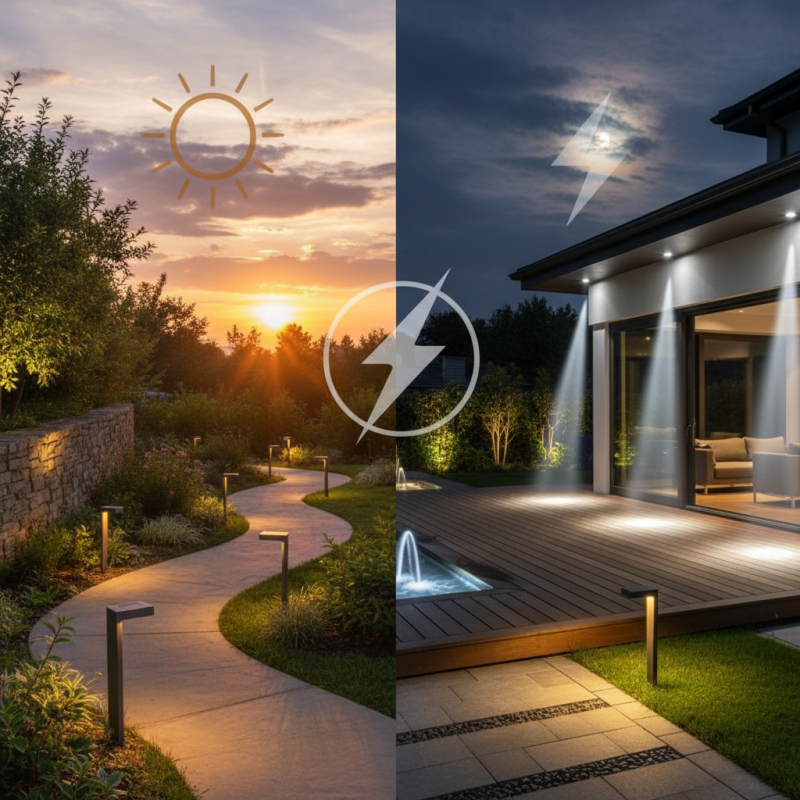
Factors to Consider When Choosing Outdoor Lighting Options
When choosing outdoor lighting, several factors merit attention. Start with location specifics. Think about where the lights will go. Consider the area’s exposure to sunlight and potential obstructions. If trees shade your space, solar lights may not charge effectively. Electric lights, on the other hand, can offer consistent performance regardless of sunlight.
Next, energy efficiency plays a vital role. Solar lights run on renewable energy. They save you money and reduce your carbon footprint. However, electric lights tend to provide brighter illumination, which might be necessary for security purposes. They can consume more energy, but advancements in LED technology make them more efficient than ever. This decision often requires weighing the cost against the desired light quality.
Lastly, installation complexity is worth considering. Solar lights typically offer an easy setup, often without the need for wiring. Electric lights might require professional installation, increasing the initial cost. This process can be a hassle for some, while others may find it worthwhile for improved functionality. Assessing your willingness to commit time and resources can help narrow your options.
Advantages of Solar Outdoor Lights for Homes and Gardens
When considering outdoor lighting, solar lights offer unique benefits. They harness sunlight during the day. This process eliminates electricity costs. As a result, solar lights can lower energy bills significantly. They also require minimal installation, as you don’t need wiring. Simply place them in sunny spots. Their independence from the power grid makes them reliable during power outages.
There are aesthetic advantages too. Solar lights come in various designs. You can find options that complement your home's style. The gentle glow from these lights creates a welcoming atmosphere in gardens. They can highlight pathways or accentuate landscaping features. However, during cloudy days or winter months, their performance may decline. It’s essential to weigh those factors.
Maintenance is another consideration. Many solar lights have long-lasting LED bulbs. These can last for years without replacement. Yet, the solar panels may accumulate dirt over time. Cleaning them regularly ensures optimal performance. If the lights don't charge well, you might need to replace them eventually. Understanding these elements helps in making informed decisions.
How to Choose Between Solar and Electric Outdoor Lights? - Advantages of Solar Outdoor Lights for Homes and Gardens
| Feature |
Solar Outdoor Lights |
Electric Outdoor Lights |
| Initial Cost |
Generally lower; no wiring needed |
Higher; requires installation costs |
| Energy Source |
Solar energy (renewable) |
Electricity (may not be renewable) |
| Installation |
DIY-friendly; no professional help needed |
Professional installation usually required |
| Maintenance |
Low maintenance; just clean panels |
May require bulb replacement and rewiring |
| Light Output |
Varies by model; often adequate for ambient lighting |
Generally brighter; suitable for security lighting |
| Environmental Impact |
Minimal; sustainable energy use |
Higher; dependent on energy source |
| Control Features |
Often includes sensors and timers |
Can be linked to smart home systems |
Benefits of Electric Outdoor Lights and Their Applications
Electric outdoor lights offer numerous benefits that make them popular for many homeowners. They provide consistent illumination, ensuring your pathways and entry areas are always visible. This is especially useful for evening gatherings. Some models allow for adjustable brightness, catering to various occasions. Dimming lights can create a cozy atmosphere, while bright lighting enhances security during late hours.
Moreover, electric lights come with a variety of styles and designs, from modern sleek lines to vintage aesthetics. This versatility lets homeowners match the lights to their personal style and existing architecture. Installation is straightforward, albeit sometimes requiring professional assistance for complex setups. However, users should consider wiring and potential electrical issues. Regular maintenance is also crucial. Over time, fixtures may require cleaning or bulb replacements.
While electric outdoor lights have clear advantages, they are not without drawbacks. They can lead to higher energy bills, especially if used frequently. Additionally, if the power goes out, so does the lighting. It's important to weigh these factors against the benefits before making a decision. Assessing your specific needs can help ensure you choose the right lighting for your outdoor space.
Cost Comparison: Solar vs. Electric Outdoor Lighting
When choosing outdoor lighting, cost is a major consideration. Solar lights typically have a higher upfront cost due to the price of solar panels and batteries. However, they require no electricity, which saves money in the long run. Many homeowners appreciate this aspect. Electric lights, while often cheaper to buy initially, can lead to monthly energy bills that add up over time.
Installation costs also vary. Solar lights are easier to install, often requiring no wiring. This can save homeowners on labor costs. Electric lights need professional installation for safety and compliance with building codes. This adds to the expense, and it’s worth considering potential hidden costs.
Durability is another factor. Solar lights may require replacements sooner, especially in harsh weather. Electric lights tend to last longer but may need maintenance. Sometimes, the reliability of electric lights can be an issue during outages. Weigh these points against your needs to find the best fit. Remember, each option has its merits and challenges.
Environmental Impact of Solar and Electric Outdoor Lights
When considering outdoor lighting, the environmental impact of solar and electric lights is crucial.
Solar lights pull energy from the sun. They reduce carbon footprints significantly. No emissions are produced during their operation. This makes them a greener option. However, they require consistent sunlight to function effectively. This might not suit areas with limited sunlight.
Electric outdoor lights, on the other hand, rely on the grid. While they may provide brighter illumination, their energy is often generated from fossil fuels.
This can contribute to air pollution and greenhouse gas emissions. It's essential to consider where the electricity comes from. Urban areas might have a more reliable grid, making electric lights appealing despite their environmental costs.
Reflecting on both options, we see a trade-off. Solar lights may not always perform well in all conditions. Electric lights can be convenient but have hidden environmental costs. Ultimately, the choice can depend on individual circumstances and values. Balancing convenience and ecological responsibility is key.
FAQS
: Start by evaluating location specifics, like sunlight exposure and potential obstructions. This impacts light performance.
No, if trees or buildings shade your space, solar lights may not charge effectively.
Solar lights use renewable energy, saving you money and reducing your carbon footprint.
Electric lights provide brighter illumination, which may be necessary for security purposes, especially at night.
Solar lights are often easy to install with no wiring needed; electric lights may require professional help.
Regular cleaning and bulb replacements are necessary to maintain functionality and brightness.
Solar lights have higher upfront costs but save on energy in the long run, while electric lights can incur monthly bills.
Yes, they can lead to higher energy bills and won’t work during power outages.
Yes, electric lights come in various styles, allowing you to match them to your personal taste and home design.
Solar lights may need replacement in harsh weather, while electric lights are generally more durable but may require maintenance.
Conclusion
When considering outdoor lighting options, one may ponder, "What is the difference between solar and electric outdoor lights?" Both types have distinct features and advantages. Solar outdoor lights harness sunlight to power LED bulbs, making them eco-friendly and cost-effective in the long run. They are ideal for homes and gardens without existing electrical infrastructure, offering flexibility and ease of installation. In contrast, electric outdoor lights provide consistent brightness and are more suitable for areas requiring high illumination, such as driveways and security lighting.
Additionally, a cost comparison indicates that while solar lights have a higher upfront cost, they save on electricity bills over time. Environmental impacts also favor solar options, promoting renewable energy use. Ultimately, the choice between solar and electric lighting will depend on specific needs, location, and budgeting preferences.
 Midmo Lights
