Choosing the right solar lights for security purposes is essential for ensuring safety around your property. With various options available, it can be overwhelming to determine which lights suit your needs best. Solar lights are an eco-friendly solution. They harness the sun’s energy, providing illumination without increasing your energy bill. However, selecting the wrong type can limit their effectiveness.
When considering how to choose solar lights for security purposes, several factors come into play. Brightness, battery life, and sensor sensitivity all contribute to the light’s effectiveness. A bright light deters intruders, while a long battery life ensures reliability during the night. Yet, one must reflect on the placement and type of lighting. Motion-activated lights can save energy but might not always provide continuous illumination.
Understanding your specific security needs is vital. Are you lighting up a pathway or deterring potential trespassers? Each situation requires different solutions. The market offers varied designs and features. It’s crucial to weigh the pros and cons of each option you consider. Careful thought can lead to a smarter, security-focused lighting choice.
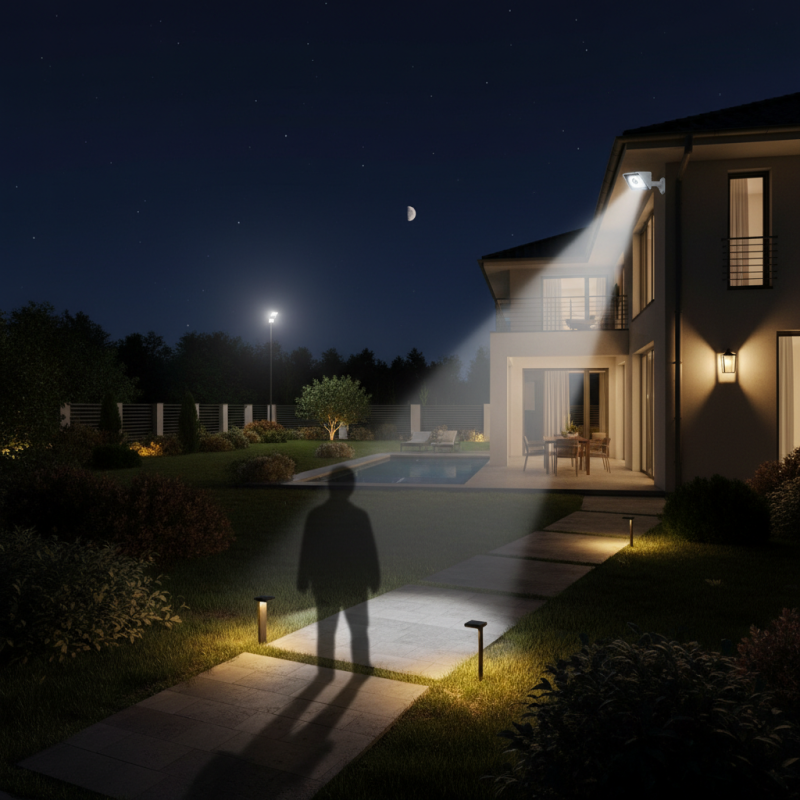
When considering security lighting, understanding your specific needs is essential. Start by assessing the areas that require illumination. Is it your front porch, backyard, or driveway? Different areas may need different types of lighting solutions.
One key factor is brightness. Measure the areas needing light to determine how bright your lights should be. For pathways, a softer glow may suffice. However, motion-sensitive lights are often ideal for driveways and entry points.
Tips:
Consider solar lights for energy efficiency. They’re cost-effective and easy to install. Make sure they have a long battery life for reliable performance. Also, check their motion sensor range to ensure they cover all necessary areas.
Remember that aesthetics are also important. Choose lights that blend well with your property's style. The lights should add to the environment, not detract from it. Reflect on the design as much as the functionality.
When considering solar lights for security needs, understanding the types available is essential. Motion sensor lights are popular for their ability to detect movement. They activate when someone approaches, providing immediate illumination. This feature can deter intruders effectively. Solar floodlights offer a broader illumination range. They are ideal for larger areas, making them suitable for driveways and backyards.
Solar path lights are another option. These lights guide visitors along pathways while enhancing security. They are less intense but still serve to light up dark areas. If you have a garage or backyard, adding solar fence lights can improve safety. They provide consistent lighting and create a boundary.
Tips: Focus on durability when selecting solar lights. Look for ones with weather-resistant features. Placement matters; ensure lights are positioned for maximum visibility. Test different locations to find the most effective setup.
Regularly check the solar panels for dirt or debris. Clean them to maintain optimal performance. Consider the battery life of the lights. Shorter battery life could lead to uneven lighting when you need it most. Choosing the right solar lights requires thought and consideration. Reflect on what best fits your specific security needs.
When selecting solar lights for security, consider brightness. Lumens measure brightness levels. A range of 300 to 800 lumens is suitable for outdoor security. According to industry reports, higher lumens augment visibility, enhancing safety. However, a light that is too bright can create glare, leading to discomfort.
Battery life is critical. Solar lights typically use lithium-ion batteries, which provide longer-lasting performance. Look for lights with at least 10 hours of runtime after a full charge. Some reports suggest that battery efficiency declines after a few seasons. You may need replacements sooner than expected. Consider this when assessing long-term costs.
Motion sensors add an extra layer of security. They detect movement and turn on automatically. Depending on sensitivity settings, some can trigger false alarms. Adjusting settings can mitigate this issue. Look for lights with adjustable motion sensitivity for better accuracy. Features like dimming options can also help conserve battery life while ensuring that you still maintain security.
| Feature | Description | Importance |
|---|---|---|
| Brightness | Measured in lumens; higher lumen count offers better visibility. | Essential for effective security lighting. |
| Battery Capacity | High-capacity batteries ensure longer operation time at night. | Crucial for extended usage without sunlight. |
| Solar Panel Efficiency | Measures how much sunlight is converted into energy. | Higher efficiency leads to better performance. |
| Motion Detection | Lights that turn on when motion is detected. | Enhances security by alerting you to activity. |
| Weather Resistance | Suitable for outdoor conditions; IP rating indicates level of protection. | Important for durability and long-term usage. |
| Installation Flexibility | Ease of setup; options for both permanent and portable installation. | Allows customization based on your security needs. |
When choosing solar lights for security, brightness and light duration are crucial. Brightness is measured in lumens. For security purposes, lights that emit at least 500 lumens are ideal. This level typically provides enough illumination for pathways and entry points. A brighter light can deter potential intruders by making your property more visible.
Light duration matters as well. A solar light that runs for at least 8 hours is preferable. This ensures coverage from dusk till dawn. Many solar lights automatically turn on at sunset but may not last the entire night if not adequately charged. Observing how long the lights function in different weather conditions is essential. Some models may struggle on cloudy days, leading to unanticipated darkness.
Regularly monitor your solar lights to ensure they meet your security needs. Sometimes, the positioning of the solar panel affects performance. If the panel is in a shaded area, the battery may not charge properly. Be prepared to adjust their placement to maximize exposure to sunlight. It’s a continuous process of evaluation and adjustment.
When installing solar lights for security, placement is key. Position lights where they can illuminate entry points, such as doors or driveways. Shadows can hide intruders. Consider areas that receive full sunlight during the day. This boosts their charging ability, leading to better nighttime performance.
Ensure you install the fixtures at the right height. Lights mounted too low may not provide adequate illumination. Aim for a height of at least 6.5 feet. This positioning helps prevent tampering while maximizing the coverage area. Keep in mind that seasonal changes can affect light intensity. With less sunlight in winter, you may notice shorter operating times.
Regular maintenance is another crucial aspect. Clean solar panels to remove dust and debris. Accumulated grime can hinder performance. Check batteries periodically to ensure they hold a charge effectively. Sometimes, replacement may be necessary. Going through these steps can lead to a more reliable security solution. However, it pays to constantly review and adjust your setup. Unforeseen obstacles like new landscaping or building changes can impact performance. Always be ready to make adjustments as needed.
This bar chart compares key performance metrics of solar lights tailored for security needs. The data highlights the significance of features such as motion sensing, brightness, battery life, charging time, and overall durability, crucial for achieving optimal operational efficiency.
: Assess areas needing light, like porches, backyards, or driveways. Each area may require different lighting types.
Measure areas to determine brightness. Softer lights work for pathways; brighter, motion-sensitive lights are best for driveways.
Yes, solar lights are energy-efficient and easy to install. Ensure they have long battery life and a good motion sensor range.
Consider motion sensor lights for immediate illumination. Solar floodlights cover larger areas, while path lights guide visitors safely.
Placement is crucial for visibility. Test various locations to maximize effectiveness and enhance security.
Regularly clean the solar panels. Dirt can reduce their performance, affecting brightness and battery life.
Look for lights with at least 10 hours of runtime after a full charge. Battery efficiency can decline over time.
Yes, they can. Adjusting sensitivity settings helps minimize false alarms and improves accuracy.
A range of 300 to 800 lumens is ideal. However, extremely bright lights may cause discomfort and glare.
Aesthetic value matters. Choose lights that complement your property while still offering functionality and safety.
When considering how to choose solar lights for security purposes, it’s essential to first understand your specific security lighting needs. Assessing the areas that require illumination will help determine the type and intensity of solar lights needed. From motion-activated lights to floodlights, various types can cater to different security situations.
In addition to the types, key features such as durability, weather resistance, and battery life are crucial in selecting the right solar lights. Evaluating brightness and light duration ensures that the lights will effectively deter intruders while providing adequate visibility. Finally, following installation tips can optimize the performance of your solar lights, ensuring they function efficiently throughout the night. By considering these factors, you can enhance the security of your property with the right solar lighting solutions.

Midmo Lights