As the demand for sustainable living grows, more homeowners are considering solar lights for their outdoor spaces. Renowned lighting expert Dr. Emily Chen emphasizes, "Solar lights are not just eco-friendly; they also enhance outdoor aesthetics." This sentiment reflects a significant shift toward energy efficiency and responsible consumer choices.
Why are solar lights a good choice for outdoor lighting? They offer convenience and reduce electricity costs. Solar lights harness sunlight during the day, illuminating paths, gardens, and patios at night without drawing on the grid. This independence can lead to savings that accumulate over time.
However, potential buyers should consider some limitations. Solar lights may not perform as well in regions with prolonged cloud cover. Additionally, their brightness is often less than traditional electric lights. Yet, for many, the benefits outweigh these drawbacks. Solar lights demonstrate a blend of functionality and environmental stewardship, making them a compelling option for anyone looking to illuminate their outdoor areas.
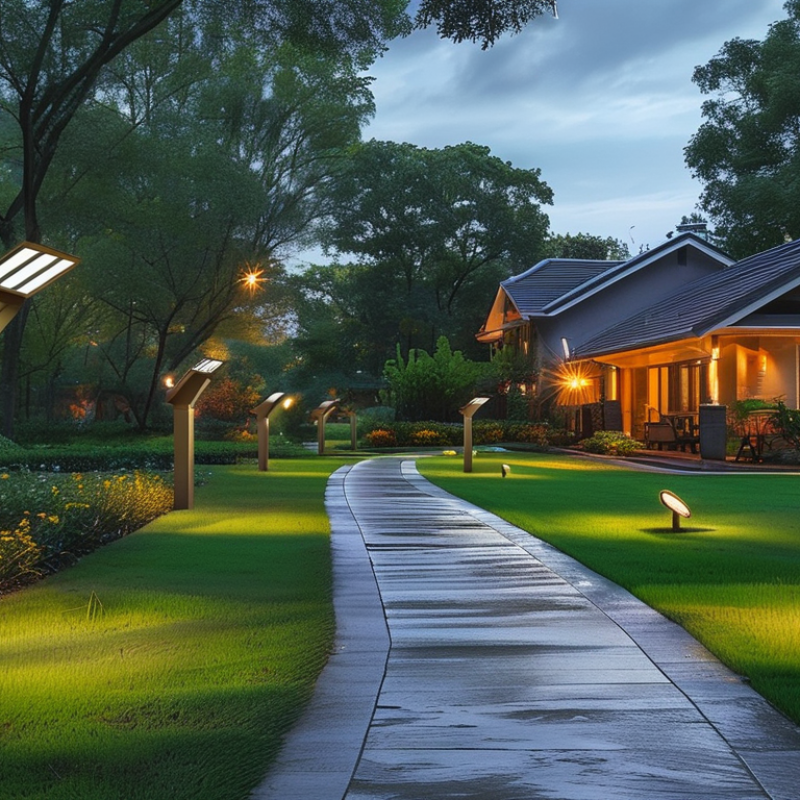
Solar lights have gained popularity for outdoor lighting due to their numerous advantages. According to the U.S. Department of Energy, solar lighting can reduce energy costs significantly, offering savings of up to 70% compared to traditional electric lights. They rely on the sun for power, which means they do not contribute to electric bills or require complex wiring. With a lifespan of around 25 years, solar lights minimize the need for frequent replacements, making them an efficient choice over time.
Installing solar lights can also enhance safety and security. They automatically turn on at dusk, illuminating pathways, gardens, and entryways without any manual effort. A well-lit outdoor space can deter intruders and provide a sense of safety. However, their effectiveness can be influenced by factors such as the location and availability of sunlight throughout the year. Ensuring your solar lights receive direct sunlight for most of the day is crucial.
Consider these tips when choosing solar lights. First, look for models with high lumens for better brightness. Select lights with motion sensors for added security. Finally, assess the manufacturer's warranty and reviews, as quality can vary significantly. While solar lights are efficient, it's wise to stay informed about product performance and technological advancements.
When considering outdoor lighting options, solar lights emerge as a cost-effective alternative to traditional lighting solutions. Studies show that solar lights can amount to a savings of up to 70% in energy costs. Traditional outdoor lighting, typically reliant on electricity, involves higher maintenance and installation fees. In contrast, solar lighting requires no wiring and minimal upkeep, making it an attractive option for homeowners.
In a recent industry report, it was noted that solar lights have a longer lifespan than conventional bulbs, averaging around 25,000 hours compared to 1,000 hours for incandescent lights. This longevity translates to less frequent replacement and reduced waste. Moreover, the initial investment in solar lighting varies, averaging around $20 to $100 per unit, while traditional fixtures can exceed $150 each once installation is factored in.
However, solar lighting does come with limitations. Its performance can be affected by geographical location and weather conditions. For instance, areas with less sunlight may see diminished effectiveness. Furthermore, as technology advances, some solar lights risk becoming obsolete quickly, making it essential to stay informed of evolving options. Balancing these factors is crucial for making an informed decision about the best outdoor lighting for your needs.
Solar lights are gaining popularity for outdoor lighting. They harness sunlight, reducing reliance on fossil fuels. According to the International Renewable Energy Agency, renewable energy sources like solar account for about 26% of global electricity generation. This shift decreases greenhouse gas emissions.
Adopting solar lighting contributes to sustainability. Research by the National Renewable Energy Laboratory shows that solar outdoor lighting can reduce carbon footprints by up to 50%. Solar lights require no electrical wiring, lowering installation impacts on the environment. They often last longer than traditional bulbs, which means less waste in landfills.
However, this transition is not without challenges. The initial cost of solar lights can be higher than conventional options. This may deter some consumers. Moreover, solar efficiency can be variable depending on location and weather conditions. Optimizing solar energy use requires awareness and sometimes patience. Understanding these factors is crucial for making informed decisions about outdoor lighting solutions.
| Aspect | Solar Lights | Traditional Lights |
|---|---|---|
| Energy Source | Solar energy (renewable) | Electricity (non-renewable) |
| Carbon Footprint | Low to zero emissions | Higher emissions from electricity production |
| Installation | Easy, no wiring required | Complex, requires professional installation |
| Maintenance | Minimal, just clean the solar panel | Higher, requires bulb replacements |
| Cost Efficiency | Long-term savings due to no energy costs | Higher ongoing electricity bills |
| Light Quality | Warm and adjustable brightness | Bright, but can be harsh |
| Environmental Impact | Supports biodiversity, reduces pollution | Contributes to fossil fuel consumption |
Solar lighting systems offer impressive performance metrics, particularly in terms of longevity and efficiency. Many solar lights last for over 25,000 hours, significantly reducing replacement frequency. This longevity is a compelling reason for choosing solar over traditional options. Durability is key; they withstand the elements better than incandescent lights. However, not all solar lights perform equally. Factors like battery quality and solar panel efficiency play a huge role in their lifespan.
Efficiency is another critical aspect of solar lights. They convert sunlight into energy, often with a conversion rate of 15-20%. This efficiency means they can operate effectively even on cloudy days. Yet, this can vary widely based on the specific design and geographical location. In areas with limited sunlight, performance may drop. This creates a challenge for users who rely solely on solar energy.
People often overlook these variables when choosing solar lights for outdoor spaces. Understanding these metrics can help ensure you select a system that meets your lighting needs. Consider how much sunlight your location receives throughout the year. Assess your specific needs before making a final decision. It's vital to balance these factors for the best results.
Installing solar lights in your outdoor spaces can greatly simplify your lighting solutions. They require minimal installation effort. Most solar lights come with easy-to-follow instructions that allow users to set them up within minutes. According to a report by the Solar Energy Industries Association, the demand for solar outdoor lighting has surged by about 30% annually, largely due to the ease of installation.
Maintenance is also straightforward. Solar lights generally need little to no wiring, reducing the hassle typically associated with outdoor lighting. Once installed, they rely on solar panels to recharge, eliminating the need for battery replacements. However, it’s important to regularly clean the solar panels. Dust and debris can reduce efficiency, turning a potentially excellent lighting choice into a less effective solution. A study from the National Renewable Energy Laboratory shows that proper maintenance can enhance performance by up to 25%.
While solar lights are convenient, they are not without limitations. Some areas may experience insufficient sunlight, impacting their performance. Before committing to solar lights, consider your location's sunlight exposure. This reflection can help in making a more informed decision, ensuring that the lighting solution chosen meets your needs effectively.
This chart illustrates the benefits of solar lights compared to traditional outdoor lighting solutions, considering factors like energy cost, installation cost, maintenance needs, lifetime, and environmental impact. Solar lights offer a more sustainable and cost-effective solution in the long run.
re solar lights more cost-effective than traditional outdoor lighting?
Solar lights have a lifespan of about 25,000 hours, much longer than 1,000 hours for conventional bulbs.
Solar lights usually cost between $20 to $100 per unit, while traditional fixtures may exceed $150.
Solar lights are easy to install and require no wiring, often set up in just minutes.
Yes, minimal maintenance is needed, but regular cleaning of solar panels is important for efficiency.
Areas with less sunlight may see reduced effectiveness, impacting overall performance.
Yes, as technology advances, some solar lights may quickly become obsolete, needing regular updates.
Assess your location’s sunlight exposure to ensure they will perform effectively in your area.
Yes, neglecting maintenance can decrease efficiency by up to 25%, so stay proactive.
Consider costs, installation ease, maintenance needs, and your local climate to make the best choice.
Solar lights are an increasingly popular option for outdoor lighting due to their numerous benefits. Why are solar lights a good choice for outdoor lighting? Firstly, they offer cost savings by eliminating electricity bills, as they harness energy from the sun. Additionally, they play a significant role in promoting environmental sustainability by reducing carbon footprints and minimizing reliance on non-renewable energy sources.
In terms of performance, solar lighting systems are designed for longevity and efficiency, providing reliable illumination throughout the night. The installation process is straightforward and requires minimal maintenance, making solar lights a convenient solution for homeowners. With these advantages, solar lights present a compelling case for those looking to enhance their outdoor spaces while being mindful of both cost and environmental impact.

Midmo Lights