Solar lights rely on sunlight for energy, but what if the sun isn't available? Understanding how to charge solar lights without direct sunlight is essential for maximizing their utility. According to the U.S. Department of Energy, about 30% of households use some form of solar energy, yet many struggle with inconsistent sunlight exposure. This can severely limit the effectiveness of solar lighting systems, particularly in shaded areas or during winter months.
Some studies show that alternative charging methods can enhance solar light performance. For instance, researchers found that using artificial light sources can supplement solar charging. This includes options like LED lamps, which mimic natural sunlight and can charge solar cells efficiently. Moreover, battery technology has evolved, allowing batteries to hold charges longer, increasing their effectiveness even with indirect sunlight.
While strategies exist, there are challenges. Not all solar lights are designed for artificial charging. Users may notice a decrease in efficiency when relying solely on these methods. Finding a balance between direct and indirect charging can be complex. Ultimately, knowing how to charge solar lights without direct sunlight can lead to smarter energy use and optimized lighting solutions for homes and gardens.
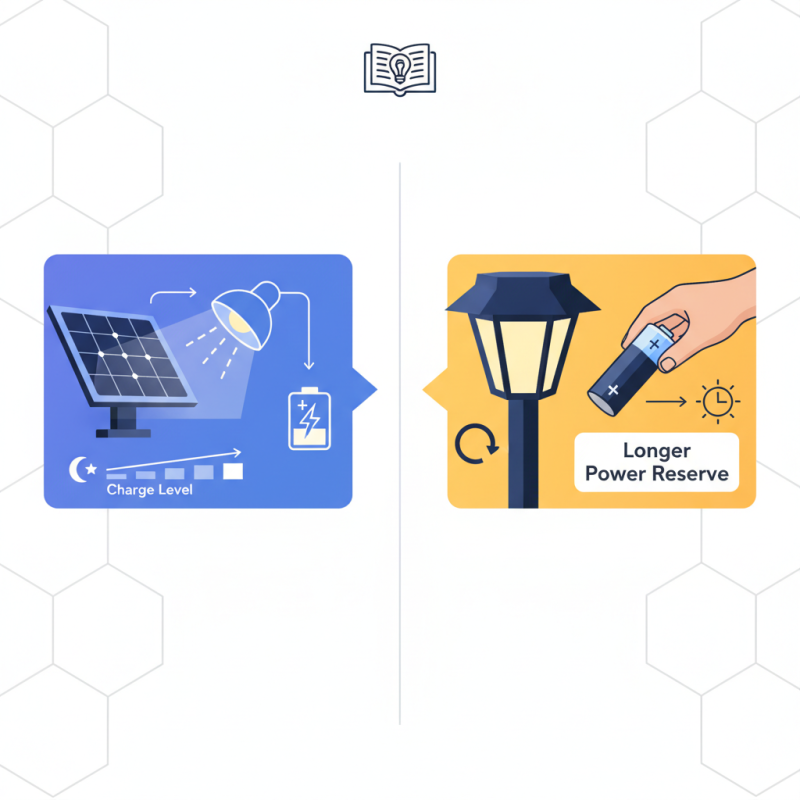
Understanding Solar Lights and Their Charging Mechanism
Solar lights are an innovative solution for outdoor illumination, harnessing energy from the sun. Understanding their charging mechanism is essential. These lights utilize solar panels to convert sunlight into electricity. A built-in battery stores this energy for use during nighttime. However, when direct sunlight is scarce, they may not function optimally.
Artificial light sources, like LED bulbs, can help charge solar lights in low sunlight conditions. Positioning the solar lights near a window is another effective method. Indirect sunlight works, but it may take longer to charge fully. Still, the lights may remain functional with limited energy.
It's important to monitor the battery health. Over time, batteries degrade and lose their ability to hold a charge. Cleaning solar panels from dust and debris can improve efficiency too. These small actions help maintain the longevity of solar lights. Experimenting with different charging techniques may yield better results than simply relying on sunlight.
Exploring Alternative Light Sources for Charging Solar Lights
Solar lights are a fantastic eco-friendly option for outdoor illumination. However, charging them without direct sunlight can be tricky. Exploring alternative light sources can help maximize their efficiency and lifespan.
One effective method involves using incandescent or LED bulbs. These artificial light sources can mimic sunlight to some extent. Position your solar lights close to these bulbs for several hours. The warm glow can provide a needed boost in energy. However, be cautious not to overheat the solar panels. Excessive heat can damage them over time.
Another option is to use fluorescent lighting. These lights emit a broad spectrum of light that solar panels can absorb. It’s a reliable backup option on cloudy days or during winter months. Keep in mind, though, that not all solar lights respond equally well to these sources. Experimenting with different placements and durations may yield varied results. Consider tracking the performance to find the best setup. This reflective approach can help you understand your solar lights better, ensuring they remain functional even when the sun isn’t shining.
Using Reflective Surfaces to Enhance Solar Charging Efficiency
When charging solar lights without direct sunlight, reflective surfaces play a crucial role. Using mirrors or aluminum foil can significantly boost charging efficiency. Position these reflective materials near your solar lights. They can funnel sunlight onto the solar panels, increasing energy absorption.
However, this method isn't foolproof. The effectiveness of reflected light can vary based on angles and surrounding objects. Experiment with different surfaces. Natural reflectors, like white walls or light-colored roofs, can also enhance light exposure. Sometimes, results may not meet expectations due to obstructions or uneven landscapes.
It’s essential to consider the overall placement of your solar lights. Adjusting their angles may help capture more light. While the use of reflective surfaces can improve charging, there’s no guarantee. This process requires some trial and error. Observing how different surfaces affect charging can lead to better strategies over time.
Battery Replacement and Maintenance Tips for Solar Lights
Maintaining solar lights can be tricky, especially when it comes to battery care. Solar lights typically use rechargeable batteries. Over time, these batteries can lose their ability to hold a charge. Regular inspection is crucial. Check the battery every few months, especially before the winter season.
When replacing batteries, make sure to choose the right type. Consult the user manual for specifications. Using improper batteries can lead to malfunction. Additionally, clean the battery terminals with a cloth to ensure a good connection. This simple step can improve performance significantly.
Consider how often your lights are used. If you notice dim lighting, it may be time for a replacement. Even with proper care, batteries may degrade faster than expected. Temperature and usage also play a role. Storing solar lights in a cool, dry place can extend battery life. Pay attention to these factors to optimize your solar lighting system.
Tips for Positioning Solar Lights for Optimal Indirect Charging
To maximize the charging efficiency of solar lights without direct sunlight, positioning is crucial. Place your solar lights in areas with indirect sunlight, such as near the edges of trees or buildings where they still receive light while being sheltered from harsh rays. Research indicates that solar panels can convert up to 20% of available light energy into usable electricity, even in shaded conditions. This means that strategic placement can result in effective charging throughout the day.
Consider the angle of sunlight during different seasons. In winter, the sun may be lower in the sky, influencing where you should place your solar lights for better exposure. Aim for spots that get maximum ambient light but are not directly illuminated. A recent industry report highlighted that lights positioned in partial shade still maintained a 70% charging efficiency compared to direct sunlight. Additionally, regular adjusting of light positions according to seasonal changes can make a significant difference in performance.
Be mindful of surrounding objects that may obstruct light. Over time, trees will grow, and buildings may cast larger shadows. Regular inspection and adjustment of light placements help avoid decreased efficiency due to unexpected obstructions. Users often overlook this aspect, leading to suboptimal performance. It's vital to remain attentive to environmental changes that could affect solar light charging.
Best Ways to Charge Solar Lights Without Direct Sunlight
| Charging Method |
Description |
Optimal Positioning Tips |
| Indirect Sunlight |
Position lights where they receive reflected light from walls, water, or other surfaces. |
Place near light-colored walls or surfaces that can reflect sunlight. |
| Artificial Light Sources |
Use indoor lighting or other artificial sources to provide energy. |
Position close to bright bulb fixtures or areas where light is abundant. |
| Seasonal Adjustment |
Change the position of lights seasonally for better exposure to low-angle sunlight. |
Adjust every few months based on the sun's path. |
| Shadow Management |
Minimize shadows cast by trees or buildings over the light. |
Identify spots with the least obstruction and relocate if necessary. |
Conclusion
Charging solar lights without direct sunlight can be a challenge, but understanding their mechanism is key. Solar lights typically rely on photovoltaic cells to convert sunlight into energy. However, in situations where direct sunlight is unavailable, there are several alternative strategies to consider. For example, utilizing reflective surfaces can enhance the efficiency of solar charging by directing available light toward the solar panels.
Additionally, it's important to maintain the battery and replace it as needed to ensure optimal performance. Proper positioning of solar lights also plays a crucial role; placing them in areas where they can receive indirect light can significantly improve their charging capacity. By exploring these methods, you can effectively learn how to charge solar lights without direct sunlight and ensure they function efficiently even in low-light conditions.
 Midmo Lights
