Best Tips for Ensuring Weather Resistant Solar Lights?

Time:2026-06-29 Author:Charlotte
0%

When it comes to outdoor lighting, solar lights offer both convenience and energy efficiency. However, ensuring that these lights can withstand the elements is crucial. Industry expert Dr. Lisa North, a leading specialist in solar technology, emphasizes, “The durability of solar lights largely depends on their ability to resist weather conditions.” This insight leads us to explore the essential question: How to ensure solar lights are weather-resistant.

Weather-resistant solar lights can transform outdoor spaces. They not only enhance aesthetics but also improve safety and security. Choosing the right materials and design is key. High-quality polycarbonate or tempered glass can offer superior protection against harsh weather. It’s equally important that these lights feature weatherproof seals to prevent moisture intrusion.

Yet, not all solar lights are created equal. Some may promise durability but fail in severe conditions. Regular maintenance helps identify issues early on. Check for signs of wear or damage after storms or heavy rain. Learn from your previous selections and improve your choices for future purchases. A well-informed decision today can lead to long-lasting outdoor lighting solutions.
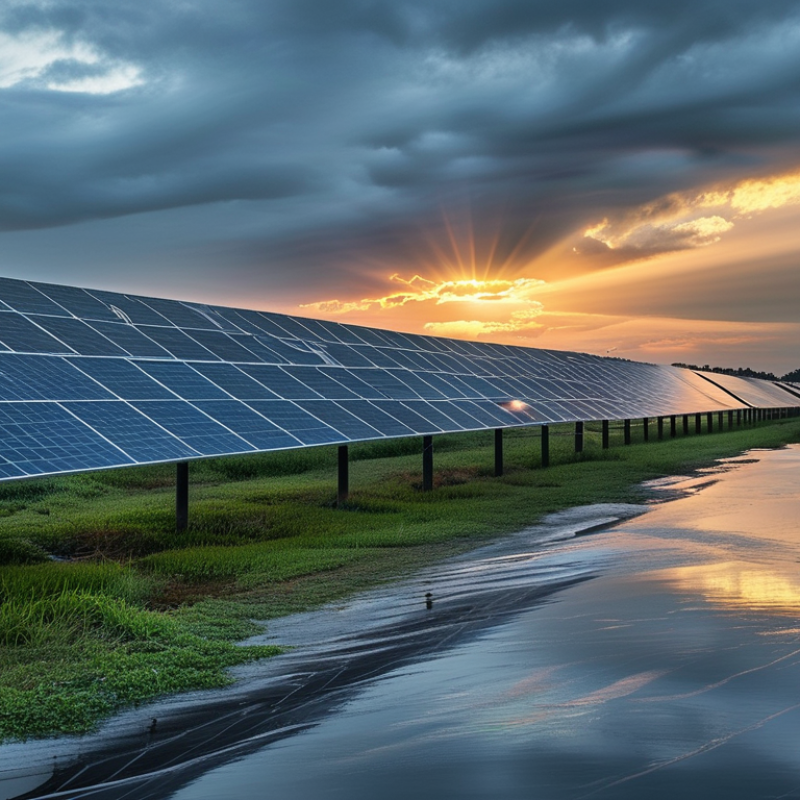
Best Tips for Ensuring Weather Resistant Solar Lights?

Choosing the Right Solar Lights for Weather Resistance

When selecting solar lights for weather resistance, several factors come into play. Durability is key. According to a report by the Solar Energy Industries Association, products rated at least IP65 can endure dust and low-pressure water jets. This reflects a significant standard for outdoor use. Materials like polycarbonate and stainless steel often outperform plastics in harsh conditions.

Temperature tolerance is another critical element. Many models operate effectively between -20°C and 60°C. This ensures functionality during varying seasonal extremes. Not all solar lights manage heat well, leading to potential failures. Research indicates that products with good heat resistance last 30% longer than their less tolerant counterparts.

Waterproof certifications must also be considered. Solar lights with IP67 ratings can handle total immersion in water. This feature is essential in areas prone to heavy rainfall. It's important to assess the lamp's components. Connections and seals should be robust to prevent moisture ingress. Failing to prioritize these aspects can lead to reduced efficiency and frequent replacements.

Best Tips for Ensuring Weather Resistant Solar Lights

This chart provides an overview of the ratings for different types of weather resistance features in solar lights. Each category is rated out of 10, where higher values indicate better performance. Selecting solar lights with high ratings in these areas will ensure they are more reliable and longer-lasting under various weather conditions.

Understanding Solar Light Components and Their Durability

When choosing solar lights, understanding their components is crucial for durability, especially in adverse weather conditions. Solar lights typically consist of solar panels, batteries, LED bulbs, and protective casings. The quality of these parts directly influences how well they withstand the elements. For instance, solar panels made with resilient materials can better absorb sunlight, while waterproof casings prevent moisture damage.

Tips for ensuring your solar lights can endure the weather include selecting lights with high IP ratings. An IP rating indicates how well a light is sealed against dust and water. Higher ratings mean better protection. Additionally, consider the battery type. Lithium batteries tend to perform better in extreme temperatures. Pay attention to the bulbs as well; LEDs offer longevity and are less affected by temperature fluctuations.

Despite these tips, even the best solar lights require maintenance. Regularly check for debris on the solar panels, as dirt can block sunlight and reduce efficiency. Sometimes, you'll need to replace batteries even if the lights seem to be functioning. Taking these steps can ensure your solar lights remain effective and bright through various weather conditions.

Key Features to Look for in Weather Resistant Solar Lights

When selecting weather-resistant solar lights, several key features are crucial. Look for robust materials, such as high-quality ABS plastic or aluminum. These materials resist rust and corrosion, ensuring longevity. According to a recent industry report, outdoor solar lights need to withstand temperatures from -20°F to 140°F to remain functional.


Check for an IP rating, an important standard for waterproofing. An IP rating of at least IP65 indicates protection against dust and water jets. Many solar lights fail shortly after being installed due to poor waterproofing. Sturdy lenses also protect against impact and enhance light diffusion.


Battery performance plays a significant role too. Look for solar lights with lithium-ion batteries, known for their longer life and better efficiency in cold weather. Research shows that these batteries can maintain up to 80% efficiency at low temperatures, unlike traditional nickel-cadmium batteries. Orientation is another factor. Some lights may not capture sufficient sunlight due to positioning, making it essential to choose a model suited for your environment.

Maintenance Tips to Extend the Lifespan of Solar Lights

To maintain the functionality and prolong the lifespan of solar lights, regular inspection is essential. Check the panels for dirt and debris; a clean surface allows for optimal sunlight absorption. Consider a gentle wash with water and a soft cloth. This simple routine can ensure they operate efficiently.

Battery maintenance also plays a pivotal role. Most solar lights use rechargeable batteries. After about a year, consider replacing them to avoid diminished brightness. It’s a minor effort with a significant impact. Besides, inspect connections regularly. Loose or corroded connections can lead to malfunction and frustration.

Weather can be harsh. Storing lights indoors during extreme weather can protect them from damage. If that’s not feasible, ensure they are securely installed and positioned. Over time, you may notice that some lights don’t perform like they used to. This could indicate the need for a replacement. Always be alert to these changes. Regular upkeep is the key to enjoying your solar lights longer.

Installation Practices for Optimal Weather Resistance

When installing solar lights, optimal weather resistance is crucial. Start by choosing a suitable location. Avoid areas with excessive shade or heavy foot traffic. Aim for spots that receive direct sunlight for most of the day. Additionally, consider the soil conditions. Installing lights in loose, well-draining soil can prevent water accumulation. This helps protect internal components from moisture damage.

Proper installation height also plays a key role. Ensure that solar lights are elevated enough to avoid snow accumulation or flood water. A height of at least 12 inches above the ground is recommended. Use durable hardware to secure them. This will help them withstand strong winds or storms. Regular maintenance is essential too. Inspect the lights periodically for wear and tear, especially after severe weather.

Over time, even the best installations might need adjustments. Be aware of changing weather patterns in your area. What worked last season may not work now. Learning from seasonal performance can enhance the lights' longevity and effectiveness. Each installation teaches valuable lessons that refine your approach.

Best Tips for Ensuring Weather Resistant Solar Lights

Tip No. Installation Practice Reason for Weather Resistance
1 Choose high-quality materials Durable materials withstand harsh conditions.
2 Proper angle positioning Maximizes sun exposure for charging.
3 Use waterproof seals Prevents water intrusion into the fixture.
4 Install away from direct weather exposure Reduces risk from wind, rain, and snow.
5 Regular maintenance checks Ensures functionality and longevity.

FAQS

: What factors should I consider when choosing solar lights for weather resistance?

: Consider durability, temperature tolerance, and waterproof ratings. These factors affect their performance outdoors.

What does an IP65 rating mean for solar lights?

An IP65 rating indicates resistance to dust and low-pressure water. This is a reliable standard for outdoor use.

How do materials affect the durability of solar lights?

Materials like polycarbonate and stainless steel are generally more durable than plastic in harsh weather.

What temperature range can most solar lights handle?

Many solar lights work well between -20°C and 60°C, but not all manage heat effectively.

Why is waterproof certification important for solar lights?

Lights with IP67 ratings can withstand total immersion in water, crucial for heavy rainfall areas.

What installation tips can improve the weather resistance of solar lights?

Choose sunny locations and ensure proper height. Using durable hardware helps them resist severe weather.

How high should solar lights be installed?

A height of at least 12 inches is recommended to prevent snow and flood damage.

What is the importance of regular maintenance for solar lights?

Periodic checks for wear and tear can enhance longevity, especially after severe weather.

Can installation conditions affect solar light performance?

Yes, loose, well-draining soil prevents moisture damage and aids long-term performance.

What should I consider during seasonal changes for solar lights?

Be willing to adjust installations based on weather pattern changes and past performance data.

Conclusion

To ensure solar lights are weather-resistant, it's essential to select the right products designed for durability against the elements. Understanding the components of solar lights, such as the quality of the solar panel and the battery, can significantly impact their performance in adverse weather conditions. Key features to look for include water and dust resistance ratings, durable materials, and the ability to withstand extreme temperatures.

Maintenance plays a crucial role in extending the lifespan of solar lights. Regularly cleaning the solar panels and checking for any signs of wear can help maintain their functionality. Additionally, proper installation practices, like placing lights in optimal locations shielded from harsh weather, enhance their resilience. By following these guidelines, users can effectively ensure their solar lights remain functional and aesthetically pleasing despite changing weather conditions.

Charlotte

Charlotte

Charlotte is a seasoned marketing professional with a deep understanding of the company's portfolio and a passion for elevating its presence in the market. With a keen eye for detail and a commitment to excellence, she ensures that our professional blog is regularly updated with insightful articles......