 Midmo Lights
7 Best Tips to Compare Solar Light Suppliers?
When comparing solar light suppliers, inspect measured performance rather than brochure claims. Ask for independent test reports covering luminous flux, battery capacity, charging time, and night-time autonomy. The International Energy Agency reports that LED lighting can deliver major efficiency gains, but fixture efficiency varies widely after optics and thermal losses. A bright lamp is not always an efficient lamp.
Check the photovoltaic module’s rated power, operating temperature, and degradation assumptions. NREL’s PV Lifetime Project commonly uses about 0.5% annual module degradation as a planning benchmark. Request the supplier’s actual warranty basis and test conditions. Battery chemistry matters too. Review cycle-life data, low-temperature performance, protection circuits, and replacement procedures. Small details matter. A weak connector can reduce output after heavy rain.
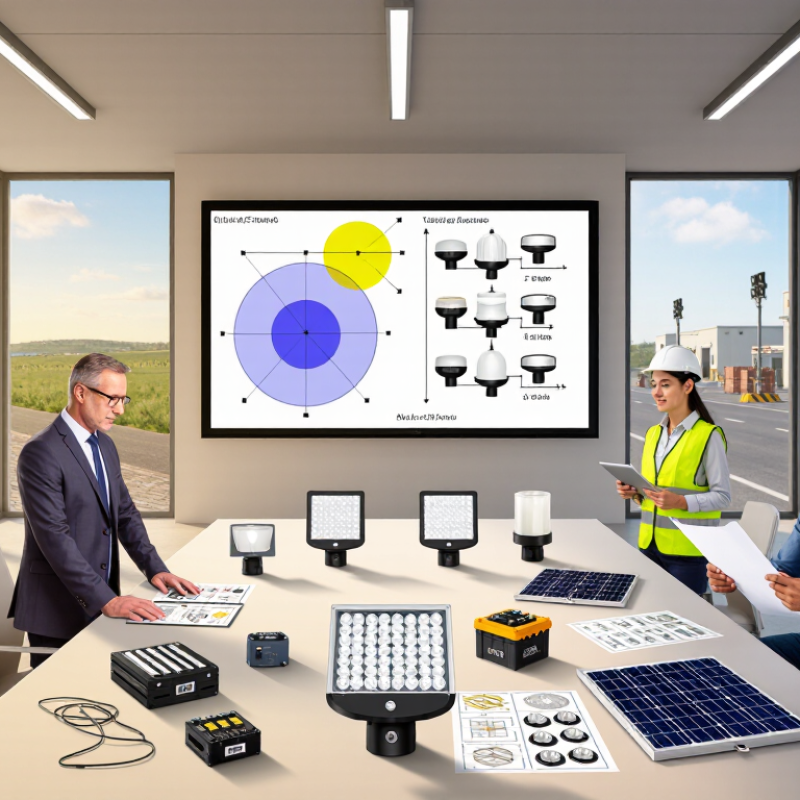
Technical compliance should include IEC 60598 safety testing, suitable IP protection, and documented EMC performance. For outdoor products, compare illumination uniformity, mounting height, beam angle, and delivered lumens, not only nominal wattage. Lighting Global quality testing also emphasizes battery, durability, and system performance checks for off-grid products. Ask for sample units and run a 30-day field trial. Record cloudy-day runtime, sensor response, charging recovery, and temperature changes. Supplier documents can be incomplete. That is worth questioning.
