When considering outdoor lighting, many homeowners ask, "What is the difference between solar and electric outdoor lights?" This question is essential for those looking to enhance their outdoor spaces efficiently. Industry expert Dr. Angela Moore states, “Choosing the right lighting system can transform your outdoor area while ensuring energy efficiency.”
Solar lights rely on sunlight to recharge, making them sustainable and cost-effective. They require minimal installation and no wiring, giving homeowners flexibility in placement. However, their performance can diminish during cloudy days. In contrast, electric lights provide consistent brightness and reliability, especially in areas with limited sunlight. Yet, they involve higher installation costs and ongoing electricity expenses.
Both systems have unique advantages and disadvantages. The best choice depends on specific needs, such as location, budget, and personal preference. Understanding these differences helps make an informed decision. After all, lighting is not just about visibility; it’s about creating ambiance and safety in your outdoor environment. Consider the pros and cons carefully before making your choice.
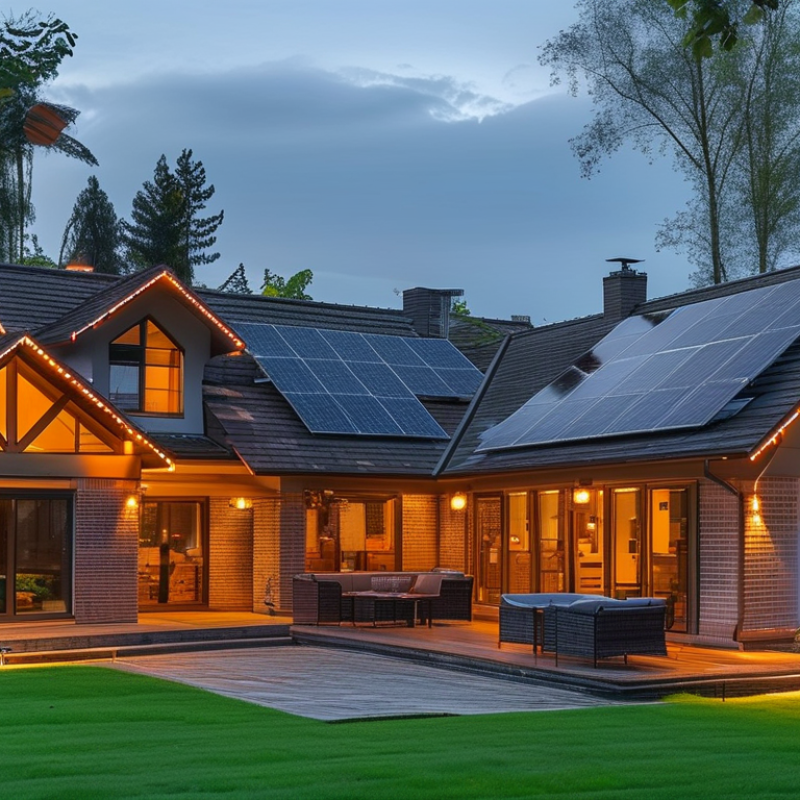
Comparison of Power Source: Solar vs. Electric Outdoor Lights
The choice between solar and electric outdoor lights hinges significantly on their power sources.
Solar lights harness energy from the sun, making them a sustainable option. According to the U.S. Department of Energy, solar technologies could potentially save homeowners up to 40% on lighting costs per year. They collect sunlight during the day and convert it into electricity, which powers LEDs at night. This process is efficient for regions with ample sunlight but can fall short in areas with prolonged cloudy weather.
On the other hand, electric outdoor lights rely on a consistent power supply. They provide brighter illumination immediately. However, they can incur higher energy costs over time. The International Energy Agency reports that the average homeowner spends approximately $100 annually on outdoor lighting with electric solutions. While the upfront installation may be lower for solar options, the long-term savings and energy consumption should be carefully evaluated. Electric systems require ongoing maintenance and can contribute to significant power bills, especially in large outdoor areas.
Choosing the best outdoor lighting solution requires weighing these differences. Solar lights may well be effective in sunny areas, yet their performance can diminish in less optimal conditions. Electric lights promise reliability, but their energy dependence and costs raise concerns about sustainability. Exploring both options will help homeowners find a suitable lighting strategy.
Energy Efficiency: How Solar and Electric Lights Measure Up
When comparing solar and electric outdoor lights, energy efficiency stands out. Solar lights harness sunlight and convert it into power. This process reduces dependency on electricity and can lower energy bills over time. Electric lights, however, rely on the grid. They can consume significant energy, especially with extended use.
One must consider the location and weather conditions for solar lighting. In areas with less sunlight, their efficiency may decrease. On the other hand, electric lights offer consistent brightness, regardless of weather. They can be costly to run but provide reliable illumination.
Both options have trade-offs. Solar lights require less maintenance but may need replacement after a few years. Electric lights last longer but involve ongoing expenses. Evaluating the energy needs of your outdoor space is essential. Balancing efficiency and functionality will lead to a more informed decision.
Installation Process: Differences in Setup for Solar and Electric Lights
When considering outdoor lighting, the installation process varies significantly between solar and electric lights. Solar lights are simpler to install. They often require no wiring. You need to choose a sunny spot for optimal charging. Most solar lights come with stakes for easy placement in the ground. In many cases, you can complete the setup in a few minutes.
On the other hand, electric lights usually demand more effort. They require electrical work, which may include running wiring through walls or along pathways. This process often involves tools and expertise. If you’re unfamiliar with electrical setups, hiring a professional is advisable. It’s crucial to follow local codes and safety standards to avoid hazards. Additionally, the placement of electric lights may be limited by the availability of power sources.
Reflecting on these setups brings up important points. Many might underestimate the long-term benefits of solar lights, like cost savings on electricity. However, they may degrade quicker than expected due to weather conditions. Electric lights, while reliable in performance, can lead to higher energy bills over time. Both options have their merits and drawbacks, demanding careful consideration of your specific needs.
10 Best Differences Between Solar and Electric Outdoor Lights
Cost Analysis: Long-Term Expenses of Solar vs. Electric Outdoor Lighting
The cost analysis of solar versus electric outdoor lighting reveals significant long-term expenses. According to the U.S. Department of Energy, the average electric light consumes 80% more energy than an equivalent solar option. Over time, this energy consumption translates to higher electricity bills. Homeowners might pay over $200 annually for electric lights, while solar options require virtually no operating costs after the initial investment.
Installation costs can also vary significantly. Professional installation of electric lights typically ranges from $100 to $200 per fixture, depending on complexity. In contrast, solar lights are often DIY. This means a one-time cost without ongoing labor fees. However, it’s crucial to consider the lifespan. Many solar lights last around 5 years, while quality electric options can operate for up to 15 years or more, suggesting that longevity is an essential factor in this decision.
Maintenance is another area worth exploring. Solar lights require less upkeep, but the efficiency of solar panels can diminish over time. Reports indicate a 20% reduction in performance after five years, emphasizing the need for periodic cleaning. Electric lights, while requiring more frequent bulb replacements, might not face efficiency loss—but risk higher operational costs over time.
10 Best Differences Between Solar and Electric Outdoor Lights
| Criteria |
Solar Lights |
Electric Lights |
| Initial Cost |
$15 - $150 |
$30 - $200 |
| Installation Cost |
No installation fee |
$50 - $150 |
| Energy Source |
Solar energy |
Electricity |
| Maintenance |
Low (battery replacement) |
Moderate (wiring issues) |
| Lifespan |
5 - 10 years |
10 - 20 years |
| Brightness |
200 - 1000 lumens |
300 - 3000 lumens |
| Environmental Impact |
Eco-friendly |
Less eco-friendly |
| Control and Features |
Dusk-to-dawn |
Smart controls available |
| Weather Resistance |
Good (varies by model) |
Good (depends on fixture) |
| Installation Location |
Anywhere with sunlight |
Requires access to electric source |
Environmental Impact: Solar Lights vs. Electric Lights Sustainability
When considering outdoor lighting, the environmental impact is a crucial factor. Solar lights harness renewable energy, reducing reliance on fossil fuels. They use sunlight for power. This contributes to sustainability. Electric lights, on the other hand, often rely on electricity generated from non-renewable sources. Their carbon footprints can be significant, depending on how the electricity is produced.
Opting for solar lights can minimize disruption to local ecosystems. They typically emit less light pollution, allowing wildlife to thrive. In contrast, electric lights may disrupt nocturnal habitats. Additionally, solar lights require less maintenance and have a longer lifespan. This leads to less waste over time.
Tips: Choose solar lights with high-efficiency batteries. These will store more energy for longer use. Always consider the installation location to maximize sunlight exposure. For those considering electric options, ensure energy-efficient designs are a priority. They can sometimes offer better environmental impacts when sourced responsibly. Regularly reflect on your energy usage and its effect on the planet.
FAQS
: Solar lights use sunlight, while electric lights rely on a consistent power supply.
Solar technologies can save homeowners up to 40% on lighting costs annually.
Solar lights may not perform well in regions with prolonged cloudy weather.
Homeowners might spend approximately $100 on electric lighting yearly.
Electric lights cost $100 to $200 per fixture to install, while solar usually requires no labor fees.
Solar lights typically last around 5 years; quality electric options can last 15 years or more.
Yes, they require periodic cleaning, but maintenance is generally less intense than for electric lights.
Electric lights can lead to higher electricity bills and frequent bulb replacements.
Yes, electric lights contribute to energy dependency and potential environmental impacts.
Absolutely, weighing ongoing costs, lifespan, and efficiency is crucial for a smart decision.
Conclusion
The article "10 Best Differences Between Solar and Electric Outdoor Lights" provides a comprehensive comparison of solar and electric outdoor lighting options. It explores the core differences in their power sources, revealing that solar lights harness sunlight while electric lights rely on the grid. When considering energy efficiency, solar lights often offer lower ongoing costs as they use renewable energy, whereas electric lights can lead to higher utility bills over time. The installation process is also highlighted, with solar lights typically requiring less effort and no wiring, unlike their electric counterparts.
Furthermore, the cost analysis demonstrates that while solar lights may have a higher initial investment, their long-term savings on energy can make them more economical in the long run. The article also discusses the environmental impact, emphasizing that solar lights promote sustainability by reducing reliance on fossil fuels. Ultimately, for anyone wondering "What is the difference between solar and electric outdoor lights," this article serves as a detailed guide to help in making an informed decision.
 Midmo Lights
