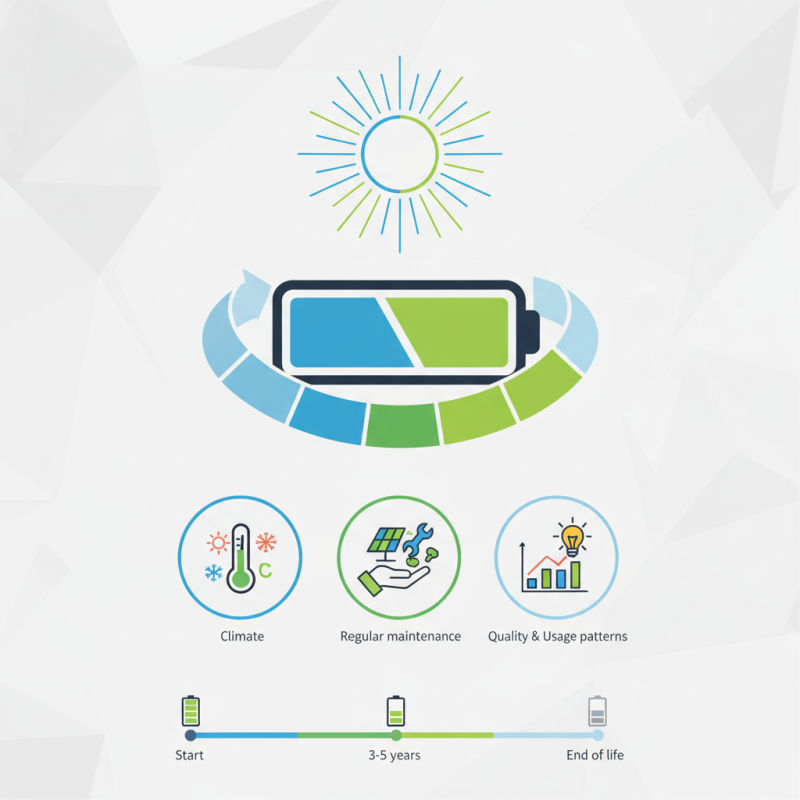
Solar light batteries play a crucial role in renewable energy systems. Homeowners often seek to understand their durability. Many ask, "What is the lifespan of solar light batteries?" This question is essential for anyone considering solar lighting options.
These batteries typically last between three to five years. However, various factors influence their lifespan. Quality, usage patterns, and climate can all play a significant role. For instance, extreme temperatures can shorten battery life. Regular maintenance also impacts longevity.
While solar batteries are efficient, they are not infallible. Users may encounter issues like reduced performance over time. Being aware of these aspects is important. Ultimately, understanding battery lifespan helps in making informed decisions about solar energy investments.
Understanding Solar Light Batteries and Their Lifespan
Solar light batteries play a crucial role in how efficiently solar lights operate. These batteries store energy captured from sunlight, allowing lights to shine during the night. The lifespan of solar light batteries typically ranges from 2 to 5 years. This variation depends on factors like battery type, usage, and environmental conditions.
Understanding the components is essential. Most solar light batteries are nickel-cadmium or lithium-ion. Nickel-cadmium (NiCd) batteries are known for their durability. However, they can develop memory effect, reducing capacity. Lithium-ion batteries, although more expensive, do not have this issue. They offer better performance and longer lifespans.
Battery maintenance often gets overlooked. Dust and debris on solar panels can decrease efficiency. Regular cleaning improves energy absorption. Additionally, replacing batteries when needed ensures optimal performance. Users should keep an eye on how well their systems function over time. Noticing dimming lights can signal a need for replacement.
Average Lifespan of Solar Light Batteries
This chart displays the average lifespan of different types of solar light batteries. Lead acid batteries typically last about 2 years, while nickel-metal hydride (NiMH) batteries last around 5 years. Lithium-ion batteries are more durable, averaging 7 years, and lithium iron phosphate batteries have the longest lifespan at approximately 10 years.
Factors Influencing the Lifespan of Solar Light Batteries
The lifespan of solar light batteries can vary significantly based on numerous factors. One critical element is the type of battery used. Most solar lights utilize lithium-ion, nickel-cadmium, or lead-acid batteries. Lithium-ion batteries generally last longer, often up to 5 years, under proper conditions. The materials and construction of the battery greatly influence its durability and overall performance.
Environmental conditions play a major role in battery lifespan. Extreme temperatures, whether hot or cold, can hasten battery degradation. For example, prolonged exposure to intense sunlight can damage batteries. Similarly, excessive moisture can lead to corrosion. Regular maintenance, such as cleaning the solar panels, also matters. Dirty panels may reduce energy absorption, resulting in inadequate charging.
Additionally, how often the solar lights are used affects battery life. Continuous use may drain batteries faster than intermittent use. Users should monitor battery performance regularly. Taking notice of any dimming lights or irregular behavior is crucial. This can indicate a need for replacement or recharge. Each of these factors reflects the complexity of ensuring solar light battery longevity.
Average Lifespan of Different Types of Solar Light Batteries
When it comes to solar light batteries, their lifespan can vary significantly. Common types include
lithium-ion, nickel-cadmium, and
lead-acid batteries.
Lithium-ion batteries often last the longest, typically around 5 to 10 years. They are
efficient and have a high energy density. Nickel-cadmium batteries follow, usually lasting about
2 to 5 years. While they are durable, they may have issues with memory effect if not maintained properly.
Lead-acid batteries are the least durable option, generally lasting 1 to 3 years,
depending on usage and maintenance.
Tips: Regularly clean solar panels to ensure maximum sunlight exposure. This practice enhances battery life. Always store batteries in a cool, dry place to prevent degradation.
Environmental factors also play a role in battery lifespan. Extreme temperatures can shorten battery life. For instance,
very cold weather can reduce charge capacity, while excessive heat can cause battery damage. Monitor your solar lights
frequently. If you notice dimming, it may be time for a battery check.
Tips: Schedule battery replacements every few years, even if not showing issues. This proactive
approach can prevent sudden failures. Be mindful of your local climate when choosing battery types. The right fit can
greatly enhance efficiency and longevity.
Tips for Extending the Lifespan of Solar Light Batteries
Solar light batteries play a crucial role in powering outdoor lighting solutions. Understanding their longevity can help you enjoy consistent performance. To extend their lifespan, proper care is essential.
One effective tip is to clean the solar panels regularly. Dust and debris can block sunlight, reducing charging efficiency. Another common mistake is leaving the batteries in extreme temperatures. Both too hot or too cold can negatively impact battery life. Try to position your solar lights in areas with good airflow.
Additionally, check the battery connections. Loose or corroded terminals can hinder performance. It’s also wise to replace batteries before they are completely dead. This helps avoid deep discharges that can shorten their overall lifespan. Remember, while you take care of them, occasional replacements are unavoidable.
Signs That Indicate Battery Replacement is Needed
Solar light batteries play a crucial role in garden and outdoor lighting. Over time, these batteries can lose their effectiveness. Recognizing signs that indicate battery replacement is necessary can ensure your solar lights function optimally.
One key indicator is dimming light output. If your lights seem less bright during the night, the battery may not hold a charge as it once did. Another sign is a shorter illumination duration. If your lights turn off earlier than usual, it's time to consider replacing the battery. You might also notice unusual charging patterns, like lights not turning on at all, even on sunny days. These are clear signals that your solar light batteries are nearing the end of their lifespan.
Physical signs can also indicate battery issues. Swelling or leaking batteries should never be ignored. This presents both performance and safety concerns. Always ensure to check for corrosion around the battery terminals as well. It's essential to prioritize these indicators to maintain the efficiency of your solar lighting system. Regular monitoring and timely replacement can prevent unnecessary frustration in your outdoor spaces.
FAQS
: Solar light batteries usually last between 2 to 5 years. The lifespan depends on usage and battery type.
Most solar lights use nickel-cadmium or lithium-ion batteries. Lithium-ion lasts longer and performs better.
Extreme temperatures can damage batteries. Prolonged heat or excessive moisture can lead to faster degradation.
Cleaning prevents dust and debris from blocking sunlight. This improves energy absorption and charging efficiency.
Regular checks are essential. Notice any dimming lights as this may indicate a need for replacement.
While they need sunlight, too much intense exposure can harm the batteries over time. Balance is key.
It's better to replace them before they are fully dead. This helps avoid deep discharges that reduce lifespan.
Regularly clean solar panels and check battery connections. Ensure they are well positioned with good airflow.
No, different battery types have varying durability and performance characteristics. Pay attention to your specific batteries.
Neglect can lead to reduced efficiency and faster battery wear. Regular care helps ensure reliable performance.
Conclusion
Solar light batteries play a crucial role in powering outdoor lighting systems, and understanding their lifespan is essential for optimal use. The average lifespan of these batteries can vary significantly based on several factors, including battery type, usage conditions, and maintenance practices. Factors such as temperature, charge cycles, and exposure to sunlight can greatly influence how long solar light batteries last.
Typically, different types of solar batteries—like NiMH, lithium-ion, and lead-acid—exhibit varying lifespans, with lithium-ion generally being the most durable. To maximize their longevity, users should follow specific tips including proper maintenance, regular cleaning, and timely replacement when needed. Recognizing the signs that indicate battery replacement is required, such as diminished brightness or shortened usage time, is also key to ensuring continuous performance. Ultimately, knowing "what is the lifespan of solar light batteries" can help users make informed decisions about their outdoor lighting solutions.
 Midmo Lights